Article
Spotify plans ongoing changes to verification Spotify does not expect its verification methods to remain fixed. The company’s co-CEO says it will keep adjusting them as people discover ways to get around the checks. That means verification is an ongoing process rather than a one-time solution: methods may need to change as users find weaknesses. Th...
Read article
Spotify plans ongoing changes to verification Spotify does not expect its verification methods to remain fixed. The company’s co-CEO says it will keep adjusting them as people discover ways to get around the checks. That means verification is an ongoing process rather than a one-time solution: methods may need to change as users find weaknesses. The comments point to a practical challenge for Spotify. A check that works at first may become less effective if people learn how to bypass it. The company’s response, according to its co-CEO, is to continue tweaking the methods instead of assuming they will work unchanged over time. This approach acknowledges that verification can require repeated updates. As people test the limits of the checks, Spotify plans to respond with changes. The co-CEO’s remarks describe an effort to keep the methods useful as circumstances shift, rather than treating any single version as a permanent answer. QR codes are part of the verification methods Spotify’s plans for ongoing changes to verification include a new role for QR codes. The company has introduced QR codes as one way to help determine whether a listener is a real person, rather than relying on a single check to identify suspicious activity. They are among the methods Spotify may adjust as it continues to refine its approach. That matters because verification is not a fixed system. Spotify says it will keep monitoring how its checks work and make changes when needed. QR codes therefore form part of a broader process, rather than a guarantee that every account or listening pattern can be assessed perfectly. Their usefulness will depend on how they perform alongside the company’s other methods. Spotify has not presented the new codes as a permanent solution to every verification challenge. Instead, they are one of the tools that may help the service distinguish genuine listeners from activity that does not meet its standards. If experience shows that a method needs improvement, the company may adapt it. The QR codes are thus part of an evolving set of checks, with their role subject to change as Spotify learns more about how verification works in practice. People may find holes in verification over time Spotify co-CEO Alex Norström has acknowledged that verification methods may not remain effective indefinitely. As users become familiar with how checks work, some may find ways around them, meaning a method that helps confirm an account today could become less reliable later. That possibility is part of the challenge of checking whether people using Spotify’s Family and Duo plans live at the same address. The company has introduced verification measures, including QR codes, but Norström’s point is that no single approach should be treated as a permanent solution. Users may learn how a check operates and adapt their behaviour to get past it. Norström described this as an ongoing issue rather than a problem that can be settled once and for all. Spotify will need to watch how its checks work in practice and recognise when people find weaknesses. The prospect of workarounds does not mean verification has no value; it means the company must account for the possibility that a method’s effectiveness can change over time. In that sense, verification is not simply a matter of introducing a check and leaving it unchanged. Spotify’s approach depends on responding as users’ behaviour evolves, so that methods can be reviewed when they no longer provide the intended assurance. The approach is to adapt as weaknesses emerge Spotify’s plan is not to treat its current verification methods as a permanent fix. The company says it will keep updating its approach as it learns how people respond to the checks and where the process can be bypassed. That means verification may change over time rather than remain tied to one method. QR codes are part of the system, but no verification method is guaranteed to catch every workaround indefinitely. If people find holes in the checks, those weaknesses can inform future updates. Spotify’s stated approach is to respond as those gaps emerge, adjusting verification rather than assuming the existing process will always be sufficient. For users, that could mean the experience of confirming eligibility changes as Spotify develops its methods. The important point is that the company intends to keep refining verification in response to attempts to get around it. Its approach is ongoing: observe how the checks are used, identify ways they can be bypassed, and update the process accordingly.


 SpaceX’s Starshield Limits Raise Global Security Concerns
 Google May Use Gmail and Photos Data to Target Ads
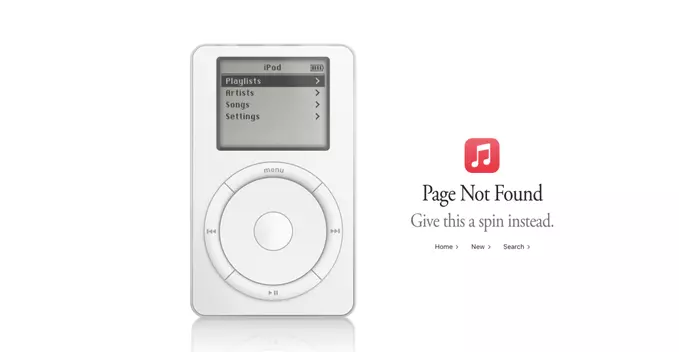 Apple Music Easter Egg Revives the Original iPod
 Netflix Layoffs and Executive Departures Signal Turbulence
 AI-Powered Retro Game Ports Are Dividing the Community
 Etsy’s New AI Policies and Listing Photo Rules