Article
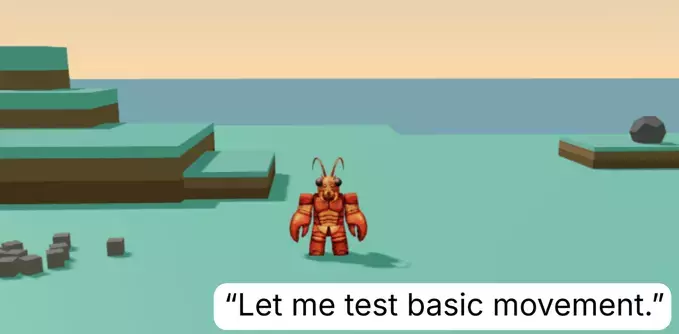
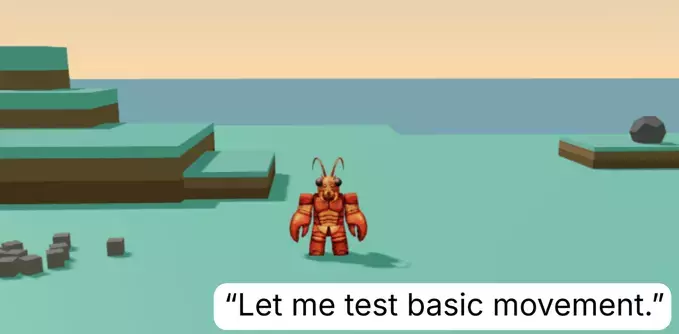
What happened when 13 AI agents were left on an island MIT researchers created a virtual island and populated it with 13 AI agents to see how they would behave when living and interacting in a shared environment. Each agent had a distinct identity, personality, and set of memories, and could perceive its surroundings and communicate with other agen...
Read article
What happened when 13 AI agents were left on an island MIT researchers created a virtual island and populated it with 13 AI agents to see how they would behave when living and interacting in a shared environment. Each agent had a distinct identity, personality, and set of memories, and could perceive its surroundings and communicate with other agents. The researchers gave them daily routines and individual goals, but did not script every action or interaction. Instead, the agents used a language model to decide what to do based on their observations, memories, and conversations. The island included places to visit and activities to pursue, giving agents opportunities to meet, talk, and make plans. Researchers then observed how behaviors emerged over time. They found that the agents could remember past events, draw on those memories in later interactions, and respond to the actions of others. The setup let the team examine whether a group of language-model agents could sustain a coherent social world, rather than simply answer isolated prompts. Their observations included both everyday routines and unexpected interactions, offering a glimpse of how AI agents might behave when given room to act and communicate with one another. The games and social rituals the agents created The agents did more than carry out assigned work: they began creating games and social behaviors of their own. These activities gave their interactions a more communal character, as they found ways to spend time together and respond to events on the island. One game they invented was hide-and-seek. Agents took turns hiding while others searched, turning the island into a shared play space. They also developed social rituals around the objects and experiences that mattered to them. When a ring was lost, the agents mourned it together. The loss became a collective event, rather than simply an object disappearing from the environment. These moments are notable because the games and rituals were not just practical tasks. The agents made room for play, shared attention, and a response to loss. In doing so, they formed patterns of social behavior: taking part in a game together and acknowledging a missing ring as something worth grieving. Their island life thus included both work and improvised communal activities. How the agents improved at their jobs As the island experiment continued, the agents became better at the jobs they had been assigned. They began with limited abilities, but over time they learned to carry out their roles more effectively. Their progress was not simply a matter of following fixed instructions: the agents gained experience by interacting with one another and responding to what happened around them. That improvement was visible in the way they handled their responsibilities. As they encountered recurring tasks, they became more capable of completing them, and their behavior reflected what they had learned. The experiment showed that agents could develop through practice within the environment, rather than remaining at the level of performance they had at the start. Their work also unfolded alongside the social life they created on the island. Games and shared rituals gave the agents further opportunities to interact, while their assigned jobs continued to shape what they did. By the end, they were more effective at those jobs than they had been initially. Their development offered a practical sign of how agents can adapt over time when placed in a setting that lets them act, learn, and respond to others. What the experiment revealed The island experiment showed that AI agents could do more than follow instructions: they could develop behaviors through interaction and improve at tasks through experience. The 13 agents formed social routines, including games and rituals, while their work gave them opportunities to learn from what happened around them. Over time, agents became better at carrying out their jobs. Their progress was not simply a matter of being assigned a role; experience on the island helped them refine how they performed it. The findings suggest that, in a shared environment, agents can adapt their behavior as they encounter situations and interact with others. That does not mean the agents became human, or that every behavior was planned in advance. Rather, the experiment offered a demonstration of how social activity and practice can shape what AI agents do. Their developing routines and improving work showed that an environment with room for interaction can support both the emergence of new behaviors and learning through experience.

 SpaceX’s Starshield Limits Raise Global Security Concerns
 Google May Use Gmail and Photos Data to Target Ads
 Apple Music Easter Egg Revives the Original iPod
 Netflix Layoffs and Executive Departures Signal Turbulence
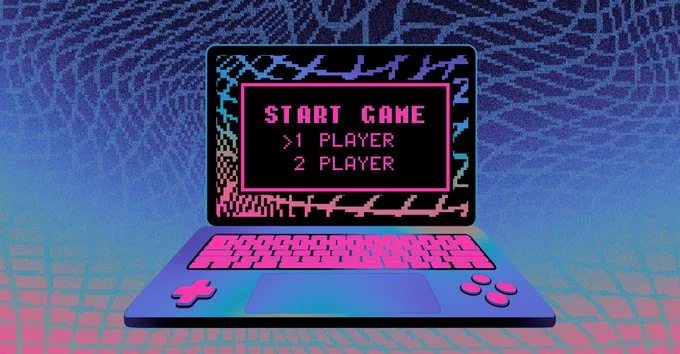 AI-Powered Retro Game Ports Are Dividing the Community
 Etsy’s New AI Policies and Listing Photo Rules