Losing a tooth can affect more than the appearance of your smile. Depending on its location, a missing tooth may make chewing less comfortable, affect speech, or leave nearby teeth more difficult to clean. Fortunately, several dental treatments can replace missing teeth and help restore everyday function. The most suitable option depends on how man...
Read article
Losing a tooth can affect more than the appearance of your smile. Depending on its location, a missing tooth may make chewing less comfortable, affect speech, or leave nearby teeth more difficult to clean. Fortunately, several dental treatments can replace missing teeth and help restore everyday function. The most suitable option depends on how many teeth are missing, the condition of the surrounding teeth and gums, jawbone health, personal preferences, and budget. Understanding the main choices can help you prepare for a conversation with your dental professional. Why Should You Consider Replacing a Missing Tooth? A missing tooth does not always require immediate replacement, but it is worth having the area assessed. The effects depend on the location of the gap, the number of missing teeth, and your overall oral health. Some people experience difficulty chewing certain foods or notice changes in their speech. Over time, neighboring teeth may shift into an empty space, potentially changing the way the teeth fit together. When a tooth is lost, the jawbone in that area may also gradually lose some of its volume because it no longer receives the same stimulation from the tooth root. The extent of this change varies between individuals. A dentist can assess the area and explain whether replacement is recommended, what options are available, and whether any additional treatment is necessary. 1. Dental Implants Dental implants are a tooth replacement option designed to provide support for an artificial tooth. A small implant, usually made from titanium or another suitable material, is placed in the jawbone. After healing and integration with the bone, it can support a crown, bridge, or other restoration, depending on the treatment plan. What Are the Benefits of Dental Implants? Dental implants can offer several advantages for suitable patients: A natural-looking appearance: The visible restoration can be designed to complement surrounding teeth. Stable function: An implant-supported tooth can provide a secure replacement for chewing and speaking. Support for the jawbone: Implants transfer forces to the surrounding bone and can help limit the bone changes associated with losing a tooth root. No need to rely on neighboring teeth for support: A single implant-supported crown generally does not require the adjacent teeth to be reshaped, unlike a conventional tooth-supported bridge. Who May Be Suitable for Dental Implants? Suitability depends on factors such as jawbone volume, gum health, general health, smoking habits, and the ability to maintain good oral hygiene. Some patients may need preparatory treatment, such as managing gum disease or receiving a bone graft. Implant treatment also takes time. The process may involve surgical placement, a healing period, and a later appointment to attach the final restoration. For people exploring a fixed replacement for a missing tooth, learning about dental implants can provide a useful starting point for understanding the treatment and its requirements. 2. Dental Bridges A dental bridge replaces one or more missing teeth by placing an artificial tooth in the gap. In a conventional bridge, the restoration is supported by crowns attached to neighboring teeth. When Might a Dental Bridge Be Appropriate? A bridge may be considered when one or more teeth are missing and the surrounding teeth can provide suitable support. It may be an option for people who prefer a fixed restoration but are not candidates for implants or do not wish to undergo implant surgery. The procedure and design depend on the location of the missing tooth, the condition of the neighboring teeth, and the bite. What Should You Consider Before Choosing a Bridge? A conventional bridge often requires reshaping the supporting teeth so crowns can be fitted. Those teeth will need ongoing care because decay or gum disease can affect the long-term success of the restoration. Bridges also require careful cleaning beneath the artificial tooth and around the supporting teeth. A dentist can demonstrate suitable cleaning methods and recommend tools for maintaining the area. 3. Removable Partial Dentures A removable partial denture replaces one or more missing teeth and can be taken out for cleaning. Depending on its design, it may use clasps or other components to remain in place. What Are the Advantages of Partial Dentures? Partial dentures are often less invasive than implant treatment and may be more affordable initially. They can replace several missing teeth and may be suitable when implants or fixed bridges are not practical. They can also be adjusted or redesigned as dental needs change. What Are Their Limitations? Removable dentures may feel unfamiliar at first and can take time to get used to. Some people experience movement during eating or speaking, and the appliance may need adjustment to improve comfort. Daily cleaning is essential. Dentures should be removed and maintained according to the dentist's instructions, and the gums and any remaining natural teeth should also be cleaned carefully. 4. Complete Dentures Complete dentures replace all the teeth in the upper or lower jaw. They are commonly used when a person has lost all the natural teeth in one arch. Traditional complete dentures rest on the gums and underlying tissues. Their fit and stability can change as the shape of the jaw changes over time, so adjustments or replacement may eventually be necessary. Some people may be candidates for implant-supported dentures, which use implants to help improve stability. The number of implants required and the type of restoration depend on the individual's anatomy and treatment goals. A dental professional can explain whether conventional or implant-supported dentures are suitable and discuss the maintenance each option requires. Dental Implants vs. Bridges vs. Dentures Each tooth replacement option has different requirements and benefits. Dental implants can provide a fixed replacement that is supported by the jawbone. They generally involve a surgical procedure and a longer treatment process, and not everyone is a suitable candidate. Dental bridges provide a fixed restoration supported by neighboring teeth. They may offer a practical solution for certain gaps, but conventional bridges usually require preparation of the supporting teeth. Removable partial or complete dentures can replace one or several missing teeth without implant surgery. They may be less expensive initially, although they require daily removal and cleaning and may need adjustments over time. There is no single best option for every patient. The right choice depends on clinical findings, personal priorities, long-term maintenance, and overall treatment costs. What Factors Affect the Cost of Tooth Replacement? The cost of replacing a missing tooth varies according to the treatment method and the complexity of the case. Factors may include the number of teeth being replaced, the materials used, diagnostic imaging, additional procedures, and the type of final restoration. Implant treatment, for example, may require bone grafting in some cases, while bridges may involve treatment of the supporting teeth. When comparing estimates, ask what is included in the quoted price, whether follow-up visits are covered, and what maintenance may be needed later. Looking at the initial price alone may not provide a complete picture of long-term costs. How Can You Maintain Your Replacement Teeth? Good oral hygiene remains important regardless of the replacement option you choose. Brush twice daily with fluoride toothpaste and clean between your natural teeth every day. If you have an implant, bridge, or denture, follow the specific cleaning instructions provided by your dental professional. Regular checkups can help identify gum inflammation, damage to a restoration, changes in fit, or other problems before they become more difficult to manage. Avoid using your teeth to open packages or biting down on unusually hard objects. If a restoration becomes loose, painful, or damaged, arrange an assessment rather than attempting to repair it yourself. Final Thoughts Replacing a missing tooth can help restore chewing function, improve appearance, and address some of the changes that may follow tooth loss. Dental implants, bridges, and removable dentures each offer different benefits and considerations. The most appropriate treatment depends on your oral health, the condition of the surrounding teeth and jawbone, your preferences, and your budget. A dental examination can help you compare the available options and develop a treatment plan suited to your needs. Frequently Asked Questions 1. What is the most natural-looking way to replace a missing tooth? Dental implants, bridges, and dentures can all be designed to look natural. The result depends on the restoration's design, the surrounding teeth, and the patient's oral health. A dentist can explain which option may provide the most suitable result. 2. Is a dental implant better than a bridge? Neither option is best for everyone. Implants can replace a tooth without relying on neighboring teeth for support, while conventional bridges may be appropriate when supporting teeth are suitable or implant surgery is not preferred. The choice depends on individual circumstances. 3. Can you replace a missing tooth years after losing it? In many cases, yes. However, changes in the jawbone, gum condition, and position of neighboring teeth may affect the available options. An examination can determine whether additional treatment is needed before replacement. 4. How long does it take to replace a missing tooth? Treatment time varies by method. A bridge or denture may be completed relatively quickly in some cases, while implant treatment often takes several months because healing and bone integration may be necessary. 5. Are dental implants suitable for everyone? No. Implant suitability depends on bone volume, gum health, medical considerations, smoking habits, and other factors. Some patients may need additional treatment before an implant can be placed. 6. How do you clean a dental bridge or implant? Natural teeth should be brushed twice daily and cleaned between the teeth. Bridges and implants require additional attention around and beneath the restoration, using suitable floss, interdental brushes, or other cleaning aids recommended by a dental professional. Removable dentures should be cleaned separately according to the dentist's instructions.


 Cenforce 100mg: Understanding Onset, Duration, and Proper Use
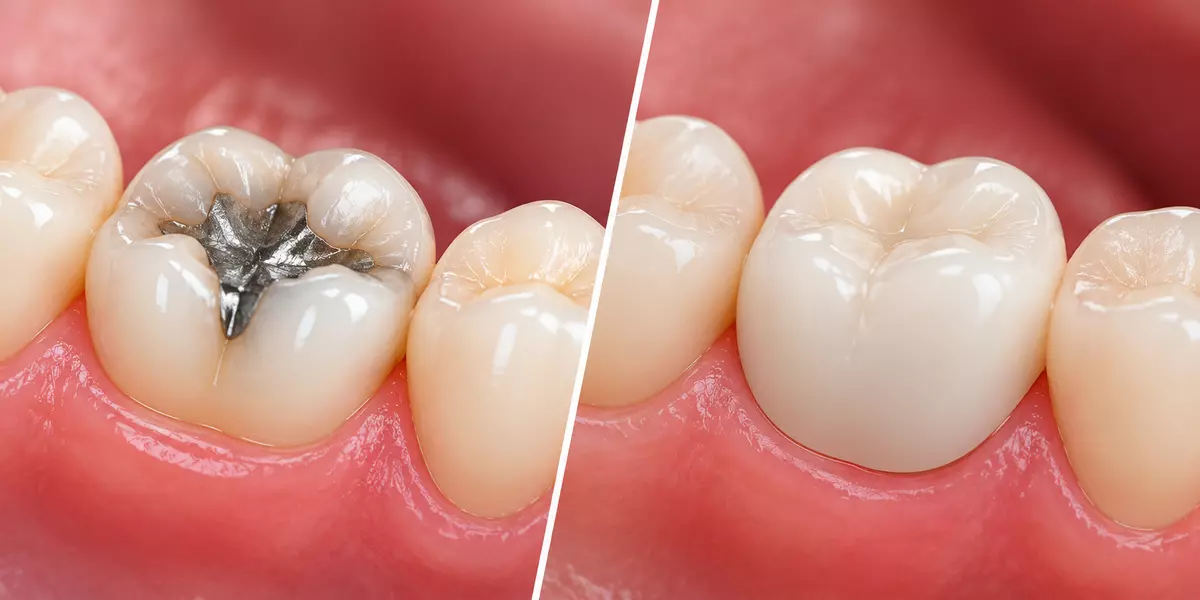 Dental Crown vs. Tooth Filling: How Do You Know Which Treatment You Need?
 How Everyday Dose Mushroom Coffee Transforms Mornings in 2026
 How Advanced Home Wound Treatment in Troy, Michigan Speeds Up Recovery
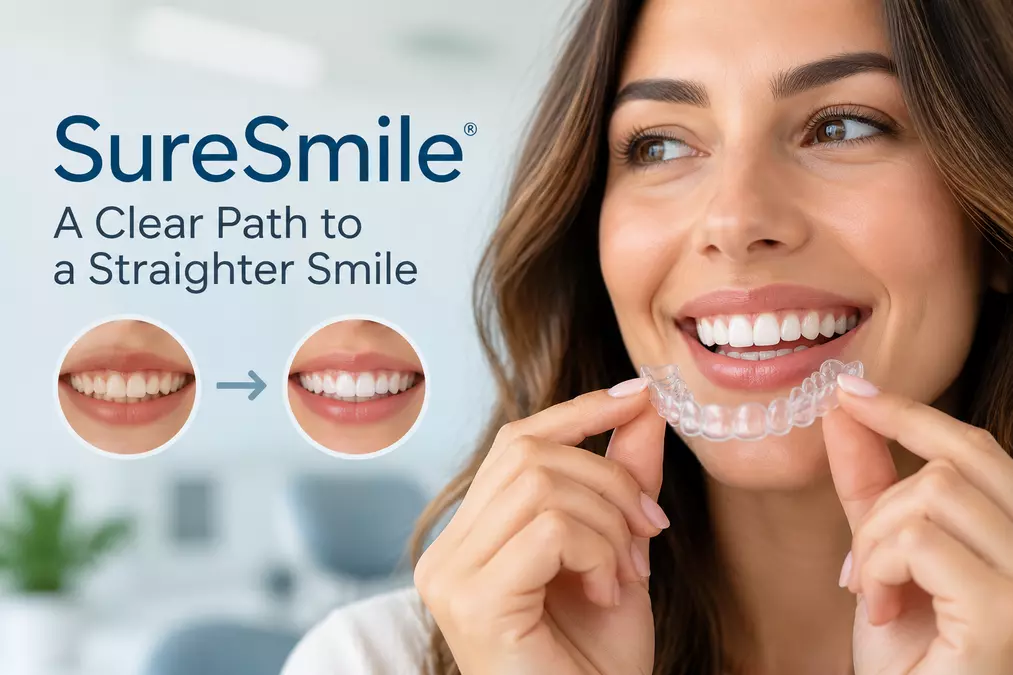 How SureSmile Clear Aligners Straighten Teeth Copy
 Waarom het noodzakelijk is om Respijtzorg te controleren