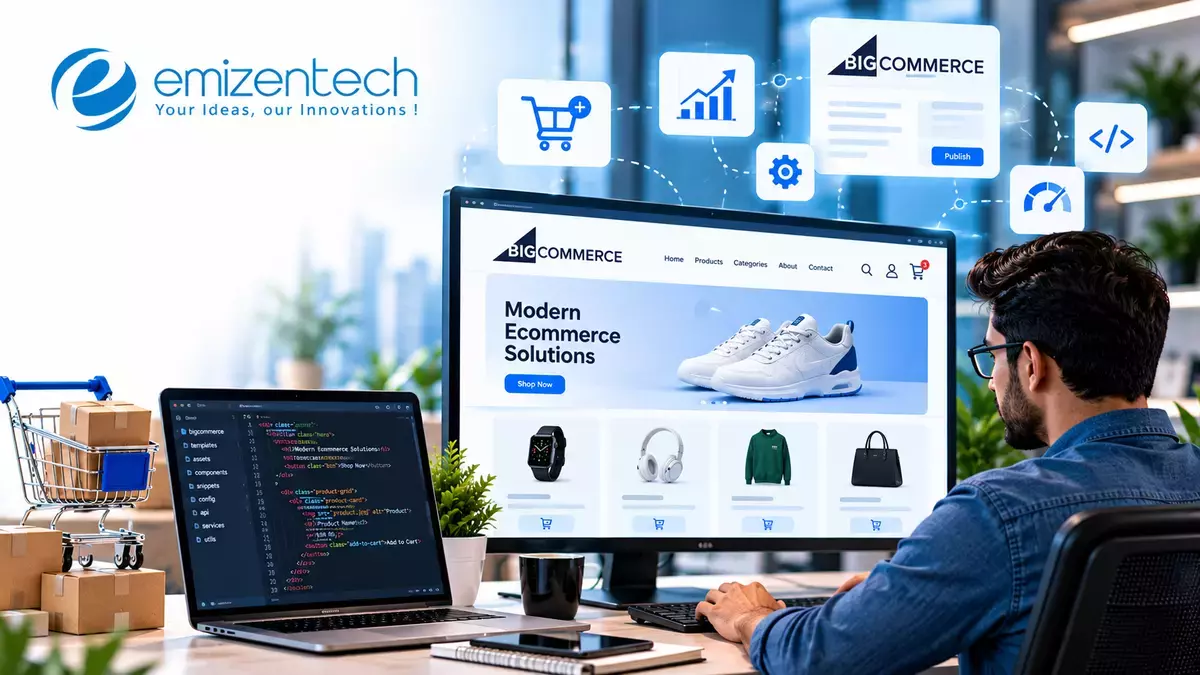
Selling across borders means more than shipping a parcel overseas. Shoppers want to see prices in their own currency, read product details in their own language and pay in ways they trust. This article explains how BigCommerce multi-currency and multilingual ecommerce works, what to plan, and where the technical effort goes. Why Going Global Takes ...
Read article
Selling across borders means more than shipping a parcel overseas. Shoppers want to see prices in their own currency, read product details in their own language and pay in ways they trust. This article explains how BigCommerce multi-currency and multilingual ecommerce works, what to plan, and where the technical effort goes. Why Going Global Takes More Than Translation A store that simply opens its doors to foreign visitors rarely converts them. Language, currency, taxes, delivery and local habits all shape whether a stranger becomes a customer. Understanding this scope early keeps the project realistic. A shopper in Germany expects euro prices with VAT included, a German-language checkout and clear return terms. A buyer in Japan may prefer convenience-store payment. When any of these pieces is missing, trust drops and the cart is abandoned. BigCommerce international ecommerce therefore combines several layers: pricing, content, payments, shipping, tax and search visibility. Treating each layer as part of one plan, instead of separate fixes, produces a store that feels local in every market without forcing your team to rebuild everything per country. How BigCommerce Multi-Currency Support Works Currency is usually the first barrier shoppers notice. Seeing an unfamiliar price forces mental math, and that hesitation costs sales. The platform handles this through a set of currency tools tied to storefront channels. BigCommerce multi-currency support lets you add transactional currencies, so a shopper can view prices and pay in their own currency. You can set exchange rates manually or connect an automatic rate feed, and apply rounding rules so prices end in clean figures. Display currency and settlement currency can differ, depending on your payment gateway. Three decisions deserve attention: Pricing method: Convert from a base price using exchange rates, or set fixed local prices per market for better psychological pricing. Rate updates: Choose between manual control and automatic updates, balancing accuracy against price stability. Gateway compatibility: Confirm that your payment provider supports each currency and settles funds the way your finance team needs. Price lists add precision. A single product can carry a distinct price in each currency, which suits markets where purchasing power differs sharply from simple conversion. Building a BigCommerce Multi-Language Website Translation is where many projects slow down, because content volume grows faster than expected. Product titles, descriptions, category pages, policies, emails and checkout text all need attention. A structured approach keeps quality high. A BigCommerce multi-language website can be delivered in a few ways. Native localization features in Stencil themes support translated text strings and language files. Separate storefronts per language, built through the multi-storefront setup, give each market its own domain, content and merchandising. Headless builds pair BigCommerce with a CMS that manages translations independently, which suits larger content libraries. Which route fits depends on scale. A store entering two or three languages may do well with theme-level localization. A brand targeting a dozen markets usually benefits from separate storefronts or a headless build, because content, promotions and navigation can differ by region. Machine translation can speed up the first draft, but human review matters for product names, legal text and tone. A mistranslated size chart or return policy causes real support problems. Planning BigCommerce Multilingual Store Development Good structure prevents the clutter that builds up when languages are added late. Decisions about URLs, content ownership and design should be made before the first translation begins. These foundations protect both users and search rankings. BigCommerce multilingual store development starts with a content inventory. List every element that needs translating, including images with embedded text, email templates and error messages. Then settle the technical basics: Choose a URL pattern: country domains, subdomains or subfolders Set up hreflang tags so search engines serve the right language to the right audience Plan layouts that handle text expansion, since German or French often runs longer than English Support right-to-left scripts such as Arabic or Hebrew if those markets are targeted Decide who approves translations and how updates are tracked Design flexibility is easy to overlook. Buttons, menus and filters that fit English labels may break when words grow longer, so test every template with real translated content instead of placeholder text. Taxes, Duties, Shipping and Payments by Market Language and currency make a store look local, but money moves through taxes, carriers and payment methods. Gaps here create unpleasant surprises at checkout, which is the worst time for them. Tax rules differ widely. The EU applies VAT, the UK has its own system, and several countries require tax-inclusive display. Configure tax settings per region and decide whether to show prices with or without tax. Import duties are another sensitive point: buyers dislike paying unexpected fees at delivery, so consider duty-inclusive pricing or clear upfront estimates. Shipping should reflect realities such as customs documentation, delivery times and carrier coverage. Offer tracked options for markets where reliability matters. Payments deserve local thinking too. Cards dominate in some countries, while others favor bank transfers, wallets or buy-now-pay-later options. Adding a few locally trusted methods often lifts conversion more than any design tweak. Search Visibility Across Languages and Regions A beautifully localized store is worthless if buyers cannot find it. International search needs its own planning, since keywords, intent and competition differ by market. Research keywords in each language rather than translating English terms literally, because shoppers search differently across cultures. Give each language version unique titles, meta descriptions and product copy, and avoid duplicate content between near-identical regional pages. Hreflang annotations and sitemaps per storefront tell search engines how pages relate. Performance counts as well. Visitors in distant regions need fast load times, so make full use of the platform's CDN and keep images and scripts lean. Page speed influences both rankings and conversion in every market. Technical Delivery and Working With Specialists Bringing these layers together involves theme edits, API work, integrations and careful testing. The effort grows with the number of markets, so planning for maintainability is wise from the start. Developers typically handle language files, currency switchers, geolocation prompts, price list logic and connections to translation tools or a CMS. They also make sure that a visitor's choices persist through the cart and checkout, so a customer who selected euros and French does not land on a checkout in another currency. Because these tasks touch themes, APIs and third-party systems, reliable BigCommerce development services can prevent the inconsistencies that appear when features are patched in one by one. Experienced developers also know where platform limits sit, such as which checkout elements can be translated natively and which need custom handling. Test with real scenarios: browse, add to cart, check out and receive confirmation emails in each language and currency. Verify tax totals, shipping rates and order data flowing into your ERP or accounting tools. Common Mistakes to Avoid Even well-funded expansions stumble on avoidable errors. Most come from underestimating ongoing effort rather than from technical failure. Watching for these keeps launches smoother. Launching in too many markets at once stretches teams thin and spreads quality across too many fronts. Starting with one or two regions, learning, then expanding is safer. Automatic redirects based on location can frustrate travelers and block search crawlers, so offer a visible language and currency selector instead. Neglecting customer support is another gap: if shoppers write in Spanish, someone must be able to answer in Spanish. Finally, remember maintenance. Exchange rates, tax rules and translated content all age, so schedule regular reviews. Conclusion Expanding abroad works best when currency, language, tax, payments and search are planned as one system. The platform offers solid building blocks, and careful development turns them into stores that feel native in each market. Starting small, testing thoroughly and maintaining content over time keeps growth sustainable. For brands preparing an international rollout, emizentech can assist with architecture, localization setup and custom integrations suited to each target market. Frequently Asked Questions 1. Can BigCommerce show prices in different currencies? Yes. You can add multiple transactional currencies, set exchange rates manually or automatically, and apply rounding rules. Price lists also allow fixed local prices per currency. 2. Does BigCommerce support multiple languages? Yes, through localized theme strings, separate storefronts per language or a headless setup with a CMS. The best option depends on the number of languages and content volume. 3. Do I need a separate storefront for each country? Not always. A single storefront can serve several markets with currency and language options, while separate storefronts suit regions needing distinct content, pricing or domains. 4. How do I keep international SEO healthy? Use hreflang tags, unique translated content, language-specific keyword research and a clear URL structure for each market. 5. How should I handle taxes and duties for overseas orders? Configure tax rules per region, decide whether prices display with tax included, and show duty estimates early so customers are not surprised after purchase.


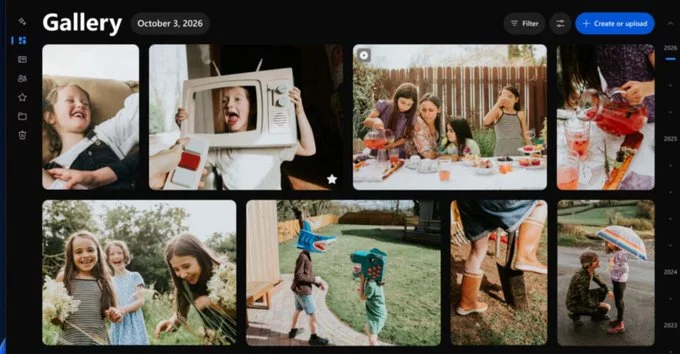 Windows 11 Photos Gets a Redesigned Editor and Viewer
 Windows 11 Runs Better on 8GB of RAM, Microsoft Says
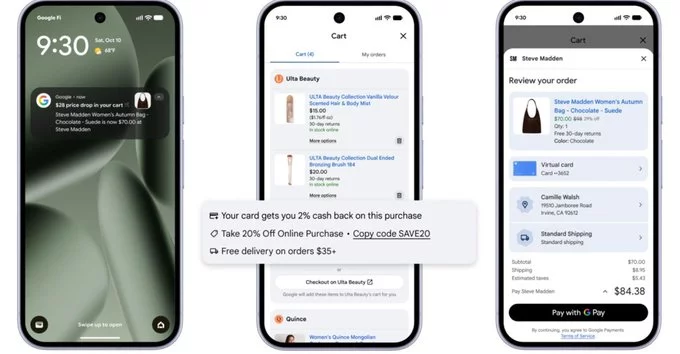 Google AI Shopping Tool Is Coming to Search and Gemini
 Atom Is a Data-Only Android Device for Your Smartphone
 Alexa+ and Amazon Integrations Require a Subscription
 Eiliko and Energize Lab: Why Trust Is in Question