Article
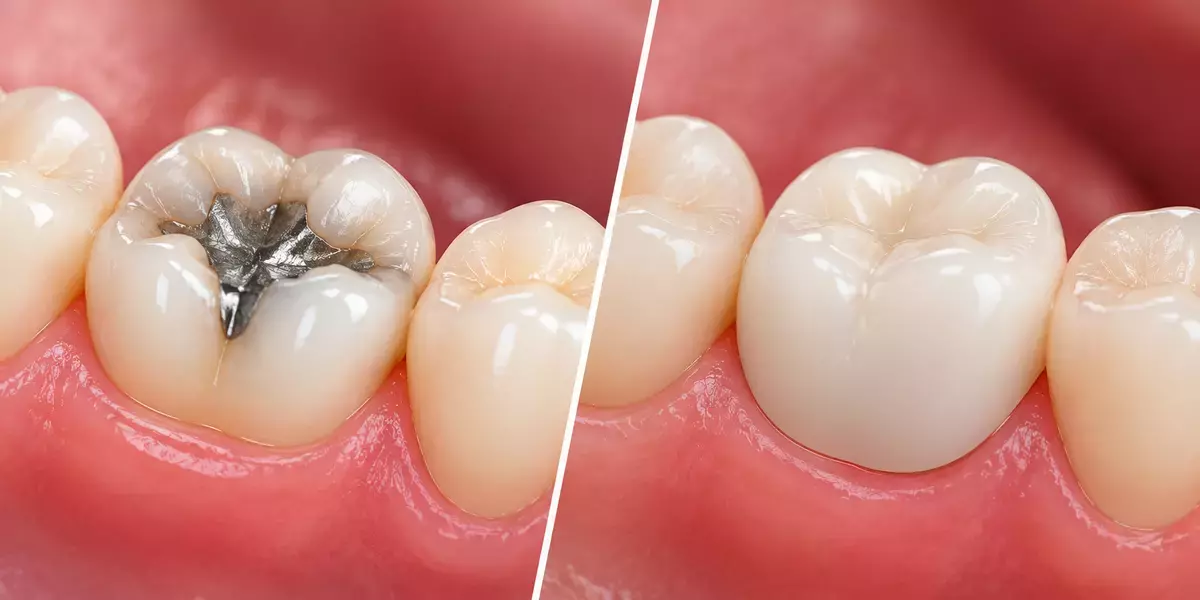
When a tooth develops a cavity, crack, or significant wear, the right treatment depends on how much damage has occurred and how much healthy tooth structure remains. In some cases, a filling is enough to restore the tooth. In others, a dental crown may be needed to provide additional strength and protection. Although both treatments repair damaged ...
Read article
When a tooth develops a cavity, crack, or significant wear, the right treatment depends on how much damage has occurred and how much healthy tooth structure remains. In some cases, a filling is enough to restore the tooth. In others, a dental crown may be needed to provide additional strength and protection. Although both treatments repair damaged teeth, they serve different purposes. Understanding how they differ can help patients make informed decisions about their dental care. What Is a Dental Filling? A dental filling repairs a tooth damaged by decay or minor structural damage. During the procedure, the dentist removes the decayed portion of the tooth and fills the affected area with a restorative material, often tooth-colored composite resin. Fillings are designed to preserve as much natural tooth structure as possible. They restore the tooth's shape and help prevent bacteria from collecting in the damaged area. Modern tooth-colored fillings can also blend with the natural color of the tooth. A filling may be suitable when: A cavity affects a relatively small portion of the tooth. Enough healthy tooth structure remains to support the restoration. Damage is limited and has not significantly weakened the tooth. An existing filling needs to be repaired or replaced. The size and location of the cavity can influence how well a filling performs. Smaller fillings generally leave more natural tooth structure intact, while larger fillings may provide less support when the tooth is exposed to strong chewing forces. What Is a Dental Crown? A dental crown is a custom-made restoration that covers the visible portion of a tooth. It restores the tooth's shape, strength, and appearance while protecting the remaining structure. Crowns can be made from materials such as ceramic, porcelain, metal, or combinations of these materials. The appropriate material depends on the tooth's location, bite pressure, aesthetic preferences, and clinical needs. A crown may be recommended when: A tooth has extensive decay. A large filling has weakened the remaining tooth. A tooth is cracked or at risk of breaking. A tooth needs protection after root canal treatment. Significant wear has affected the tooth's structure. Unlike a filling, which repairs a specific area, a crown covers most or all of the visible tooth above the gumline. This additional coverage can help protect a weakened tooth from further damage. Depending on the condition of the tooth, same-day dental crowns may also be an option. Dental Crown vs. Filling: What Are the Main Differences? 1. Extent of Tooth Damage The amount of damage is often the most important factor when choosing between a filling and a crown. A filling is generally appropriate when decay or damage is limited and the remaining tooth is strong enough to support the restoration. A crown may be more suitable when a substantial amount of tooth structure has been lost. In these cases, a filling alone may not provide enough support to withstand everyday biting and chewing forces. The aim is to restore the tooth while preserving as much healthy structure as possible. 2. Strength and Protection A filling repairs the damaged area but does not cover the entire tooth. If the tooth is already weakened, the remaining structure may still be vulnerable to cracking under pressure. A crown provides broader coverage and helps distribute chewing forces across the restored tooth. This can be particularly important for molars, which experience considerable pressure during chewing. However, a crown cannot eliminate every risk of fracture. Its success depends on the condition of the remaining tooth, the fit of the restoration, and factors such as teeth grinding. 3. Treatment Time A filling can often be completed in one appointment. After removing the decay, the dentist places and shapes the restorative material to fit the tooth. A crown usually requires more preparation. The tooth is reshaped to accommodate the restoration, and impressions or digital scans are taken to create a suitable fit. A temporary crown may be needed while the permanent one is prepared. Depending on the technology and materials available, the final crown may be placed during a separate appointment or completed on the same day. 4. Cost A filling generally costs less than a crown because the procedure is less extensive and typically requires fewer materials and clinical steps. A crown usually involves a higher initial cost because it is custom-made to cover and protect the tooth. The price can vary depending on the material, the tooth's condition, and whether additional treatment is needed. Cost is an important consideration, but the extent of the damage should guide the treatment choice. Using a filling when a tooth needs more substantial protection may lead to further damage and additional treatment later. 5. Durability and Maintenance Both fillings and crowns can last for many years, but neither lasts indefinitely. Fillings may wear down, loosen, or develop decay around their edges. Their lifespan depends on the material, size, location, oral hygiene, and chewing habits. Crowns can also wear, chip, loosen, or develop problems around their margins. The natural tooth underneath a crown can still develop decay, so daily oral hygiene and regular dental examinations remain important. Avoiding habits such as chewing ice or biting hard objects can also help protect both types of restorations. Can a Large Cavity Be Treated With a Filling? Sometimes, yes. The decision depends on the amount of healthy tooth structure remaining and whether the tooth can withstand normal chewing pressure after treatment. A large filling may be appropriate when enough of the tooth remains strong to support it. However, if decay affects several surfaces or leaves the tooth significantly weakened, a crown may offer better protection. The dentist may examine the depth of the cavity, assess the tooth's structure, and take dental X-rays when necessary. These findings help determine whether a filling is likely to be sufficient or a more extensive restoration is needed. Treating decay early can help preserve more natural tooth structure and may reduce the need for complex treatment later. Does a Tooth Always Need a Crown After Root Canal Treatment? Not every tooth requires a crown after root canal treatment, but additional protection is often recommended for back teeth. Root canal treatment addresses infection or inflammation inside the tooth. The need for a crown afterward depends on how much natural tooth structure remains, the location of the tooth, and the forces it experiences during chewing. Molars and premolars often experience substantial biting pressure, so a crown may help reduce the risk of fracture. In some situations, a more conservative restoration may be appropriate. The decision should be based on the condition of the individual tooth rather than a rule that applies to every case. What Happens If a Damaged Tooth Is Left Untreated? A cavity or crack can worsen if it is not treated. Decay may spread deeper into the tooth, potentially reaching the pulp and causing pain or infection. A weakened tooth may also fracture, making it more difficult to restore. Early damage does not always cause noticeable symptoms. A tooth may have decay or structural weakness even when it feels normal. Persistent sensitivity, pain when biting, visible cracks, or a damaged filling are reasons to arrange a dental examination. Prompt assessment can help identify the problem before it becomes more extensive. How Do You Know Which Treatment Is Right for You? The choice between a filling and a crown depends on the extent of damage, the amount of healthy tooth structure remaining, and the tooth's ability to withstand chewing forces. A filling is generally preferred when the damage is limited and the tooth remains structurally sound. A crown may be more appropriate when the tooth is extensively weakened and requires additional coverage. Neither treatment is automatically better in every situation. The goal is to choose a restoration that provides adequate protection without removing more healthy tooth structure than necessary. A dental examination can help identify the source of the problem and determine which option is most appropriate. With suitable treatment and ongoing care, both fillings and crowns can restore function and help protect damaged teeth for years to come.

 How Everyday Dose Mushroom Coffee Transforms Mornings in 2026
 How Advanced Home Wound Treatment in Troy, Michigan Speeds Up Recovery
 How SureSmile Clear Aligners Straighten Teeth Copy
 Waarom het noodzakelijk is om Respijtzorg te controleren
 Can EECP Therapy Be Considered for Older Adults With Chronic Angina and Multiple Health Conditions?
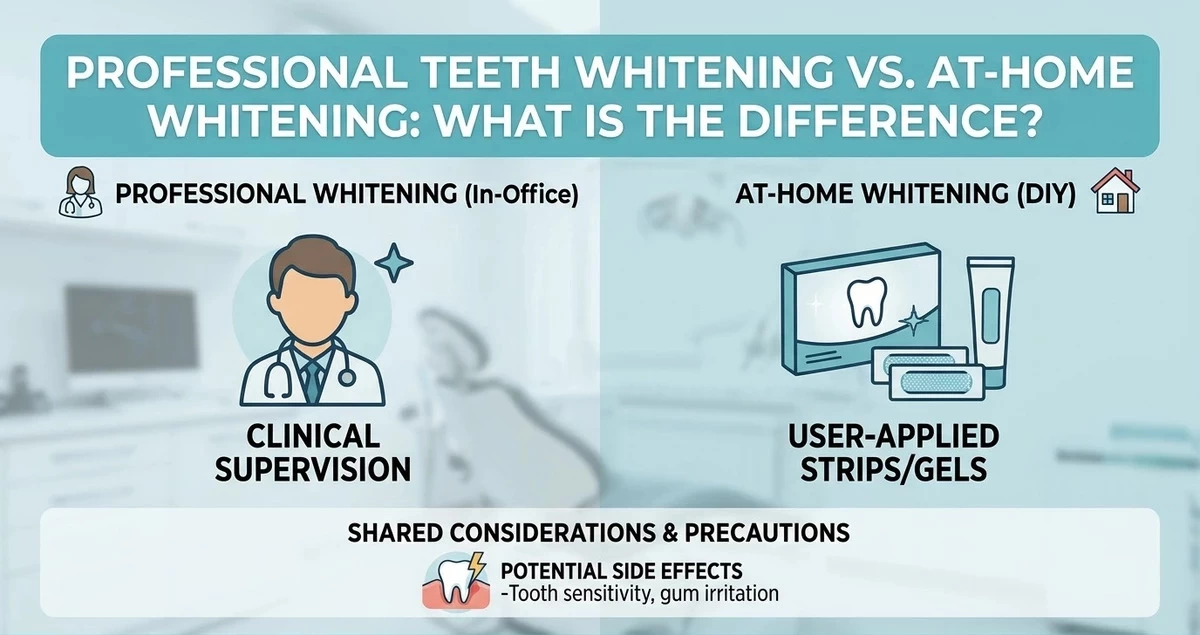 Professional Teeth Whitening vs. At-Home Whitening: What Is the Difference?