Article
Demand for Skilled-Trades Classes Exceeds School Capacity A NORC survey of more than 6,000 voters, parents and public high school students points to a mismatch between student interest in skilled trades and the classes available. Just 30% of students have taken a trades class, while one-third of students who wanted to enroll could not because the c...
Read article
Demand for Skilled-Trades Classes Exceeds School Capacity A NORC survey of more than 6,000 voters, parents and public high school students points to a mismatch between student interest in skilled trades and the classes available. Just 30% of students have taken a trades class, while one-third of students who wanted to enroll could not because the class was not offered or was already full. At schools without trades classes, 51% of students say they would be interested in taking one. Support for bringing these courses back is strong among adults. NORC found that 79% of voters and 72% of parents consider reduced or eliminated trades classes a major problem. And 95% of voters and 80% of parents believe high school trades classes would benefit American students. Funding priorities reflect that support: both voters and parents rank skilled trades as their top elective funding priority, ahead of STEM, healthcare, business, physical education and the arts. The survey suggests the challenge is not simply making students aware of trades, but ensuring schools have enough classes and seats to meet demand. Limited Access Affects Students and Their Preparation Interest in trades education does not always translate into access. Forty-two percent of students say their school either lacks trades classes or they do not know whether classes exist. Among students who tried to enroll, 16% could not because a class was full or not offered; 35% of that group encountered the barrier more than once. Waitlists also affect students unevenly: 14% of students overall have been waitlisted, compared with 23% of Black students and 17% of Hispanic students, versus 9% of white students. For those who do get a place, the benefits extend beyond technical skills. Fifty-nine percent of trades students say school feels useful for life after graduation, compared with 38% of students who never took a trades class. Trades students are also more likely to say they understand the steps toward their desired career (68% versus 54%) and which careers match their interests (66% versus 52%). They also report stronger collaboration skills (61% versus 48%) and greater comfort working with adults (62% versus 45%), a measure of workplace readiness. And trades students are more likely to feel school has helped them develop the skills and knowledge needed for college: 48%, compared with 37% of peers who did not take a trades course. AI Concerns Are Shaping Interest in the Trades Artificial intelligence is drawing attention to skilled trades from two directions: data-center construction has helped drive a boom in construction-related jobs, while anxiety about AI’s effects on employment is prompting families and students to rethink career plans. NORC found that 49% of parents worry AI will diminish students’ future career opportunities. Among voters, 56% are concerned about AI’s impact on jobs. Students share those worries: six in ten high school students are at least somewhat concerned that AI will leave them with fewer job opportunities. Those concerns are influencing career choices, too. Nearly three in ten students are reconsidering their intended career plans in favor of work that AI cannot easily perform. For some, hands-on careers in the trades may seem like a way to prepare for a changing job market. But interest alone is not enough: students need access to the classes and training that can help them explore those paths and build the skills required. Funding and More Training Seats Are Both Needed Voters are calling for public investment in skilled-trades education: 84% say government should provide more funding, and 69% support training in fields less likely to be negatively affected by AI. The message to elected officials is also clear, with 86% saying they should do more to support skilled trades and hands-on learning in high school. Existing federal options include Workforce Pell Grants, which can pay for short-term job training, Department of Labor funding for registered apprenticeships, and WIOA training funds accessed through Individual Training Accounts. But funding for students is only part of the answer: programs also need enough seats to meet demand. Harbor Freight Tools for Schools recently awarded $2 million to 25 public high school skilled-trades teachers and their programs across 18 states. Such investments can help build connections with employers; 71% of past prizewinners reported that more local businesses initiated contact about collaboration. Schools need to put skilled-trades courses on equal footing with college-focused pathways. Businesses and industry leaders can work with high schools to create clear routes from education to employment, helping students prepare for careers while building stronger talent pipelines.


 Qatar Airways Office in Dar Es’ Salaam – Complete Guide to Booking, Baggage and Travel Services
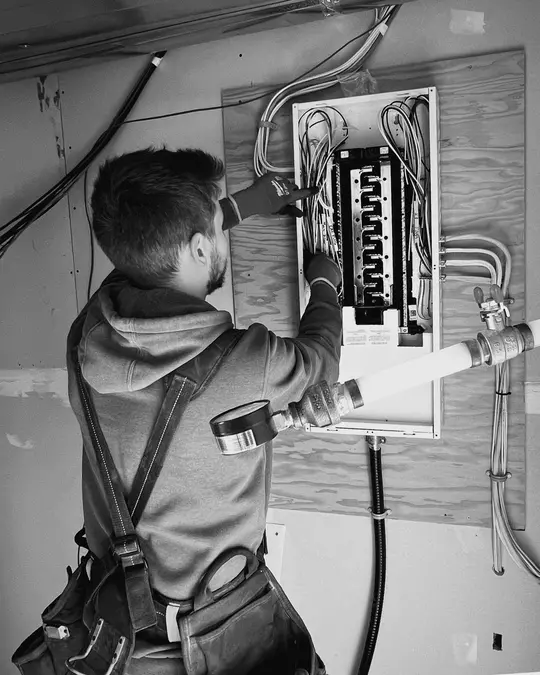 Why Hiring a Trusted Electrician Okotoks Is a Smart Choice
 Jewellery Shops Henley for Bespoke Engagement Rings and Expert Guidance
 Car Buyer North Baltimore Ohio: Know Your Options Before Selling Your Car
 7 Best Men’s Casual Sneakers for Daily Walking and Outings
 Why a Stalled Leader’s Fastest Fix Starts With Their Boss