Article
Portfolio careers are growing, but professional networks often remain organized around a single job title or industry. Antonia Alia, a creator partnerships leader who worked at Meta and TikTok, saw that gap while helping creators build their businesses. She responded by founding Creative Society, a network for people whose ambitions cross creative ...
Read article
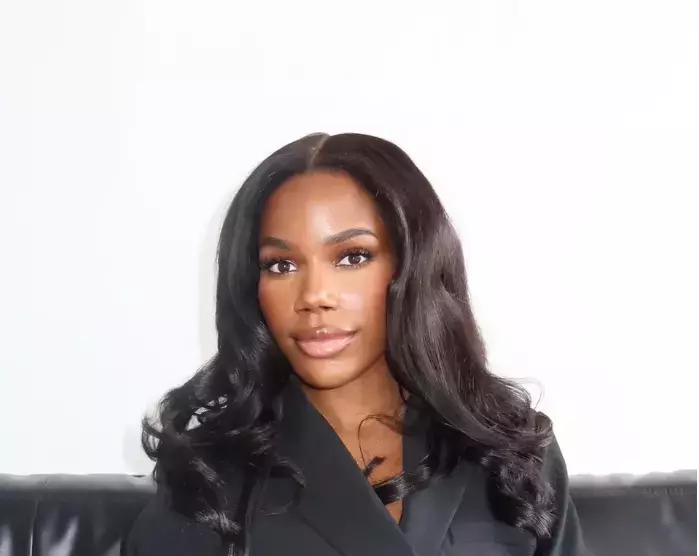
Portfolio careers are growing, but professional networks often remain organized around a single job title or industry. Antonia Alia, a creator partnerships leader who worked at Meta and TikTok, saw that gap while helping creators build their businesses. She responded by founding Creative Society, a network for people whose ambitions cross creative and professional fields. The shift reflects changing ideas about career growth. In Deloitte’s 2026 Gen Z and Millennial Survey, which included more than 22,500 respondents across 44 countries, only 21% of millennials said they prefer rapid career progression marked by promotions. Just 6% of Gen Zs and millennials named a leadership position as their primary career goal. Most respondents said they favor gradual growth or lateral moves that build experience. Many are developing skills beyond their main jobs. According to the survey, about a quarter of millennials and nearly 30% of Gen Zs have a part-time or full-time side job. Money is the most common reason, but more than a third of people with side jobs say the work helps them build important skills and relationships. Why professionals are building across fields The desire to pursue another lane also reaches people who have already built successful careers. In CreatorIQ’s 2026 State of Creators survey of 5,095 creators, 50% said they had launched or planned to launch their own brand. Epidemic Sound’s 2026 creator report found that 41% wanted to build a sustainable independent business or grow into a media brand or creator studio. But the communities where people seek opportunity have not necessarily adapted. Alia said that conversations with creators were often about more than content strategy: “They were talking about wanting to become founders also,” she said, “or they wanted to become producers.” After moving to New York, Alia realized her own ambitions called for connections across disciplines. The professional communities she encountered tended to be siloed: “This is for the marketing girls, or this is for the film people.” She began hosting dinners that brought creators, film producers, and friends in corporate jobs together. Those gatherings developed into Creative Society, which she now runs as a network for the next generation of creatives. Alia summarized its purpose in a follow-up to an interview: “There are communities for creators and communities for professionals. The new creative class is both, and until Creative Society, they had to choose.” Look beyond the person in the spotlight A cross-disciplinary network can introduce people to the collaborators behind a visible success. At Creative Society’s September conversation with Olandria Carthen in Brooklyn, Alia gave the stage to the Reismans, a fashion duo who advised Carthen on where to show up and what to wear, alongside Carthen herself. “There are visionaries behind the visionaries,” Alia said. That point matters to anyone building a portfolio career: a person whose path you admire often relied on people working in different fields. Colleagues with the same title can explain how to advance in your current role, but may not know how the career you want was put together. In a tight hiring economy, access to relationships can matter too. “In this economy, you kind of need to know somebody,” Alia said. How to broaden your career network Map your current connections. List the 15 or 20 people you would call for career advice, then note each person’s discipline. If most share your job title, your network may be suited to your current role but not the second lane you want to pursue. Go where you are the outsider. Choose one event each month that serves a field beyond your own. A marketer interested in producing might attend screening rooms; a creator hoping to start a company might spend time with operators and investors. Introduce both parts of your work. Explain your current role and what you are developing. For example: “I lead brand partnerships, and I’m developing a podcast.” Naming both lanes can help others connect you to opportunities your job title does not signal. Ask how a career was built, not only who can help. When you meet someone whose career you want to understand, ask about the people behind the result—the editor, producer, stylist, or operator. Those collaborators may offer the most useful introductions. Alia describes her own transition as moving from a support role to building something she owns. “I’ve literally been doing this for a long time for the top creators,” she said. “I’m now doing it for myself.” Her experience reflects the broader case for networks that connect people across the lanes they already occupy and the ones they hope to enter.


 Banquet Hall Construction Company in India | Kaden Koppers
 Qatar Airways Office in Dar Es’ Salaam – Complete Guide to Booking, Baggage and Travel Services
 Why Hiring a Trusted Electrician Okotoks Is a Smart Choice
 Jewellery Shops Henley for Bespoke Engagement Rings and Expert Guidance
 Car Buyer North Baltimore Ohio: Know Your Options Before Selling Your Car
 7 Best Men’s Casual Sneakers for Daily Walking and Outings