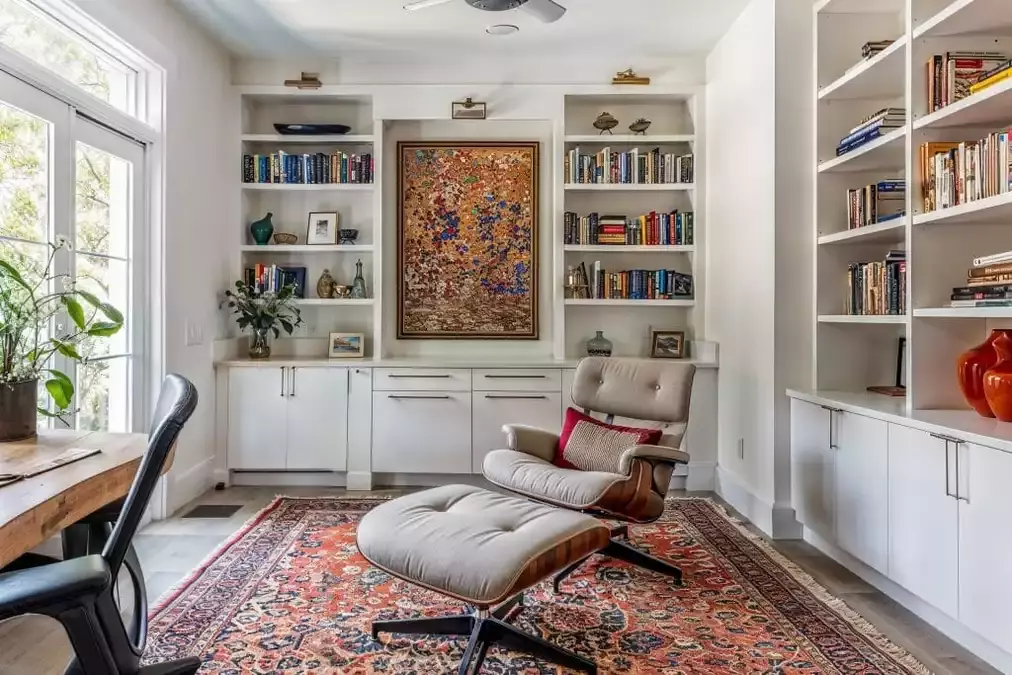
Creating a stylish dining room does not mean buying a matching furniture set or following every interior design trend. From pairing a wooden dining table with upholstered chairs to incorporating distinctive storage pieces, thoughtful combinations can make your interior more interesting without sacrificing functionality. Modern dining room furniture...
Read article
Creating a stylish dining room does not mean buying a matching furniture set or following every interior design trend. From pairing a wooden dining table with upholstered chairs to incorporating distinctive storage pieces, thoughtful combinations can make your interior more interesting without sacrificing functionality. Modern dining room furniture offers endless opportunities to combine different materials, colors, shapes, and finishes to create a space that feels personal and inviting. The key is understanding how different elements work together to create visual balance. With a few practical design principles, you can mix and match furniture confidently and build a dining room that reflects your personality. Start With a Clear Design Style Before mixing different furniture pieces, establish a general direction for your dining room. Modern interiors can include minimalist, Scandinavian, industrial, mid-century, and contemporary influences, each offering distinct materials and shapes. You do not need to follow one style exclusively, but choosing a dominant look will help guide your decisions. For example, a Scandinavian-inspired room might combine light wood, simple chairs, and neutral fabrics, while an industrial space may feature metal accents and darker finishes. Having a clear starting point makes it easier to introduce contrasting pieces without creating a disorganized appearance. Think about the atmosphere you want your dining room to create. Warm wood tones and soft upholstery can make the space feel comfortable, while glass surfaces and metal details may produce a sharper, more contemporary look. Consider the architecture of your home, the colors already present, and the way the dining area connects to nearby rooms. Collecting a few reference images or identifying furniture styles you consistently like can help clarify your preferences. Once you understand the overall direction, selecting individual pieces becomes a more straightforward process. Choose One Statement Piece as Your Foundation A statement piece provides a visual anchor that helps the rest of your furniture feel connected. In many dining rooms, the table serves this purpose because it occupies the central position and influences the arrangement of surrounding chairs. A solid wood table with a distinctive grain, a sculptural pedestal base, or an elegant stone surface can establish the room's character. Once you have selected the main piece, choose supporting furniture that complements its proportions and materials. This approach creates a cohesive foundation without requiring every item to match. Your statement piece does not always need to be the dining table. A vintage sideboard, a pair of distinctive dining chairs, or an eye-catching pendant light can also become the room's focal point. The important thing is to avoid introducing too many competing features at once. If the table has a bold design, consider simpler chairs and understated accessories. If the main furniture is relatively minimal, a sculptural cabinet or distinctive lighting fixture can provide the visual interest. A clear focal point helps the room feel intentional rather than crowded. Mix Different Materials for Visual Interest Combining materials is one of the easiest ways to make modern dining room furniture look professionally styled. Wood introduces warmth, metal adds definition, glass creates an airy effect, and upholstery brings softness and comfort. A walnut dining table, for instance, can look beautiful with black metal legs on the chairs or neutral fabric seats. These differences create contrast while allowing each piece to contribute something distinctive. The goal is to create variety without introducing so many materials that the room feels visually disconnected. Start with two or three main materials and repeat them throughout the space. If your dining table features natural oak, consider using a wooden sideboard or decorative accessories with a complementary finish. Metal accents in lighting fixtures or chair frames can provide a subtle connection between otherwise different pieces. Textured fabrics, ceramic objects, and woven rugs can soften harder surfaces and make the room feel more welcoming. Repeating materials in small ways helps establish continuity while preserving the character of individual furniture pieces. Combine Different Chair Styles With Confidence Dining chairs offer an excellent opportunity to experiment with mixing and matching. Instead of purchasing an identical set, you can combine upholstered end chairs with simpler wooden or molded chairs along the sides of the table. This arrangement creates a layered appearance while maintaining a practical seating layout. You can also mix chair designs that share a similar silhouette, material, or color palette. Choosing one common feature helps the combination feel deliberate rather than random. Comfort and proportion should remain important when selecting different chairs. Check the seat height, overall width, backrest design, and available space around the table before purchasing. Most standard dining tables are approximately 28 to 30 inches high, although individual designs vary. Chairs should provide sufficient room for guests to sit comfortably without knocking into neighboring seats. If you are combining chairs from different collections, compare their dimensions carefully and, whenever possible, test them with your table to ensure the arrangement works in everyday use. Use Color to Create Harmony Color can connect furniture pieces that differ in style, material, or shape. Begin with a simple palette that includes a dominant neutral shade and one or two complementary accent colors. Warm wood, cream upholstery, and charcoal details can create a balanced contemporary look, while muted green or terracotta can introduce additional personality. You do not need to match every finish exactly to achieve harmony. Instead, look for colors that complement one another and repeat them in several areas of the room. A useful approach is to distribute accent colors rather than concentrating them in one place. For example, a blue upholstered chair could relate to artwork on the wall or a ceramic vase on the sideboard. Similarly, black chair frames can connect with a pendant light or cabinet hardware. These repeated details guide the eye around the room and help separate furniture styles feel connected. If your dining area already contains bold colors or patterned flooring, keep the furniture palette relatively restrained to avoid visual competition. Balance Furniture Shapes and Proportions Mixing different furniture shapes creates depth and prevents a dining room from looking overly uniform. A rectangular dining table can be paired with curved chairs, a rounded pendant light, or a circular mirror to soften its strong lines. Conversely, a round table can work well with a rectangular sideboard or artwork featuring geometric shapes. Combining straight and curved forms adds contrast while helping the room feel more dynamic. The most successful arrangements balance these differences rather than allowing one shape to dominate every element. Scale is just as important as shape. A large dining table may look unbalanced with very small chairs, while an oversized sideboard can overwhelm a compact room. Measure your available space and consider the visual weight of each piece before making a purchase. Leave sufficient clearance around the table for chairs and movement, particularly near doorways and main walkways. When the proportions are appropriate, different furniture styles can coexist comfortably without making the room feel crowded or awkward. Coordinate Dining Room Storage and Accessories Storage furniture helps connect practical needs with decorative style. A modern sideboard, credenza, or display cabinet can complement a dining table while providing space for dinnerware, serving dishes, and linens. You can choose a piece with a similar wood tone to the table for a coordinated appearance or introduce a contrasting finish for additional interest. Simple cabinet fronts often work well with more decorative chairs, while a distinctive sideboard can become a focal point in a room with understated furniture. The best choice depends on your available space and storage requirements. Accessories provide another way to connect different furniture styles. A carefully selected centerpiece, textured rug, wall artwork, or ceramic vase can repeat the colors and materials found elsewhere in the room. Avoid filling every available surface with decorative objects, as excessive accessories can make the space feel cluttered. Instead, choose a few pieces that complement the furniture and leave enough room for everyday activities. A balanced combination of practical storage and thoughtful decoration creates a dining area that feels both functional and personal. Incorporate Modern Desk Decor and Multifunctional Elements In homes where rooms serve multiple purposes, dining areas sometimes double as workspaces, study zones, or temporary offices. Modern desk decor principles can help maintain a clean, organized appearance when your dining table also supports occasional work. Simple organizers, coordinated stationery, compact task lighting, and minimal decorative accessories can keep work essentials visually consistent with your dining room. Choose items that are easy to move or store when mealtimes begin. This approach allows the room to transition between activities without sacrificing its overall design. Multifunctional furniture can make these arrangements even more practical. Extendable tables provide additional surface space when needed, while sideboards can store laptops, notebooks, and other supplies out of sight. Chairs should offer sufficient comfort for their intended use, particularly if people regularly work at the table for extended periods. Keep cables, paperwork, and office equipment organized so they do not interfere with dining activities. By borrowing the simplicity and organization associated with modern desk decor, you can create a flexible room that feels cohesive throughout the day. Layer Lighting and Textures for a Finished Look Lighting plays an important role in connecting different furniture pieces and establishing the room's atmosphere. A pendant fixture above the dining table can create a focal point, while wall lights or nearby lamps provide additional illumination. Choose a fixture that suits the table's size and complements the finishes used throughout the room. For example, a metal pendant can connect with chair frames, while a fabric or glass shade can introduce a softer contrast. Dimmable lighting is especially useful for creating different moods during everyday meals and special gatherings. Textures help make a mixed furniture arrangement feel warm and inviting. Upholstered chairs, woven rugs, natural wood, ceramic accessories, and soft table linens introduce subtle differences that enrich the overall design. These elements are particularly valuable in minimalist dining rooms, where too many decorative objects may distract from the furniture itself. Try balancing smooth surfaces with tactile materials rather than choosing everything in the same finish. Thoughtful layering creates a comfortable environment while allowing individual furniture pieces to stand out naturally. Avoid Common Mixing and Matching Mistakes One common mistake is introducing too many unrelated styles without a consistent visual connection. Mixing modern, vintage, industrial, and traditional furniture can work beautifully, but the arrangement needs a unifying element. This might be a shared color palette, similar proportions, repeated materials, or a consistent level of visual simplicity. Without these connections, the room may feel like a collection of unrelated purchases rather than a carefully designed space. Start with a few contrasting pieces and add more only when they contribute to the overall composition. Another mistake is prioritizing appearance over everyday practicality. Chairs that look attractive but feel uncomfortable, tables that restrict movement, or storage cabinets that obstruct walkways can make the dining room difficult to use. Always check measurements, construction quality, and maintenance requirements before purchasing furniture. Consider how surfaces will respond to spills, scratches, and regular cleaning, particularly in busy households. A well-designed dining room should look appealing while accommodating the routines of the people who use it. Finally, avoid rushing to complete the room in one shopping trip. Mixing and matching often produces better results when you select essential furniture first and introduce additional pieces gradually. Live with the main arrangement before deciding whether you need more storage, extra seating, or decorative accessories. This gives you time to identify practical gaps and make more confident decisions. A thoughtfully developed room usually feels more personal and balanced than one filled with matching furniture and accessories purchased all at once. Conclusion Mixing and matching modern dining room furniture is an effective way to create a space that feels distinctive, comfortable, and suited to your lifestyle. By establishing a clear design direction, choosing a statement piece, combining materials, and balancing colors and proportions, you can bring different furniture styles together successfully. Practical storage, appropriate lighting, and carefully selected accessories help complete the arrangement without creating unnecessary clutter. Even modern desk decor elements can support a multifunctional dining area when organization and visual consistency remain priorities. With thoughtful planning and a willingness to experiment, you can design a dining room that feels professionally styled while expressing your individual taste.

 Corporate Wine Gifts: Thoughtful Ideas for Clients and Business Partners
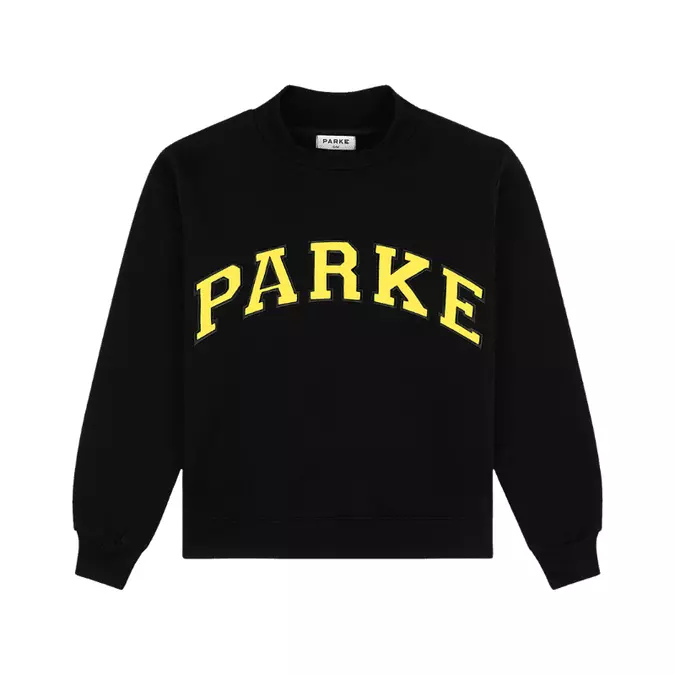 Parke Sweatshirt: Build a Timeless Streetwear Wardrobe Today
 Seiko Prospex: Precision, Durability, and Adventure in Every Watch
 Treats and Trends: What Halloween Shoppers Want in 2026
 How to Choose a Lab Grown Bezel Engagement Ring for Everyday Wear
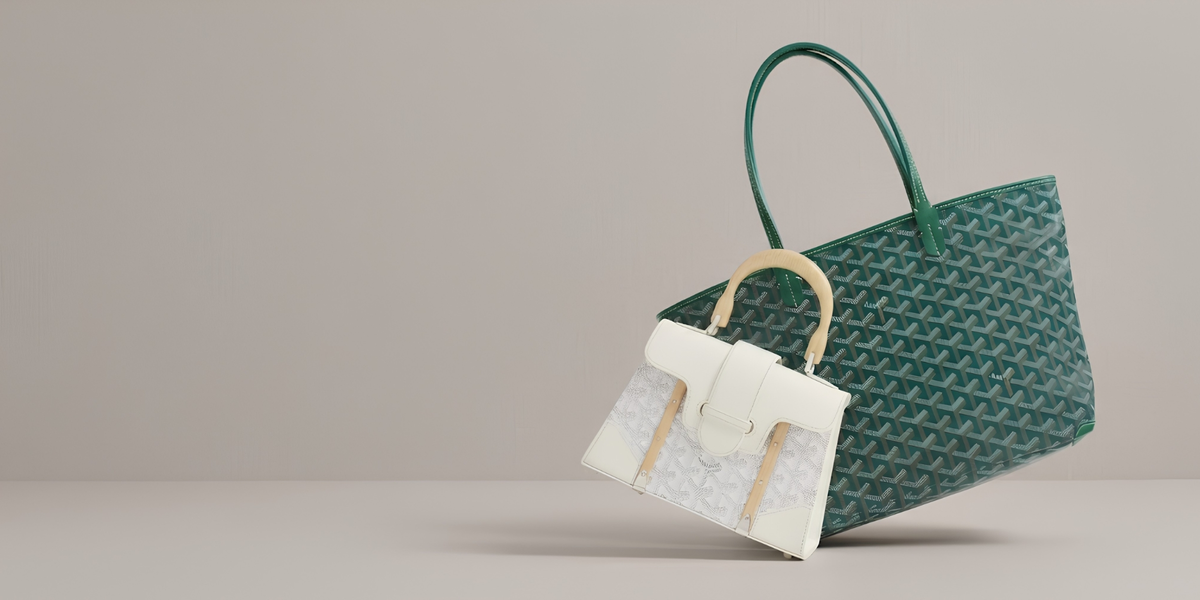 Die teuersten Goyard Modelle Ein Überblick