Article
Nadella says to assume AI models are compromised In a lengthy post on X, Microsoft CEO Satya Nadella outlined risks posed by highly advanced AI models and argued that their advice and actions can no longer be treated as things people simply accept or reject. He cautioned against relying on AI as a “set of nested black boxes,” where it is difficult ...
Read article
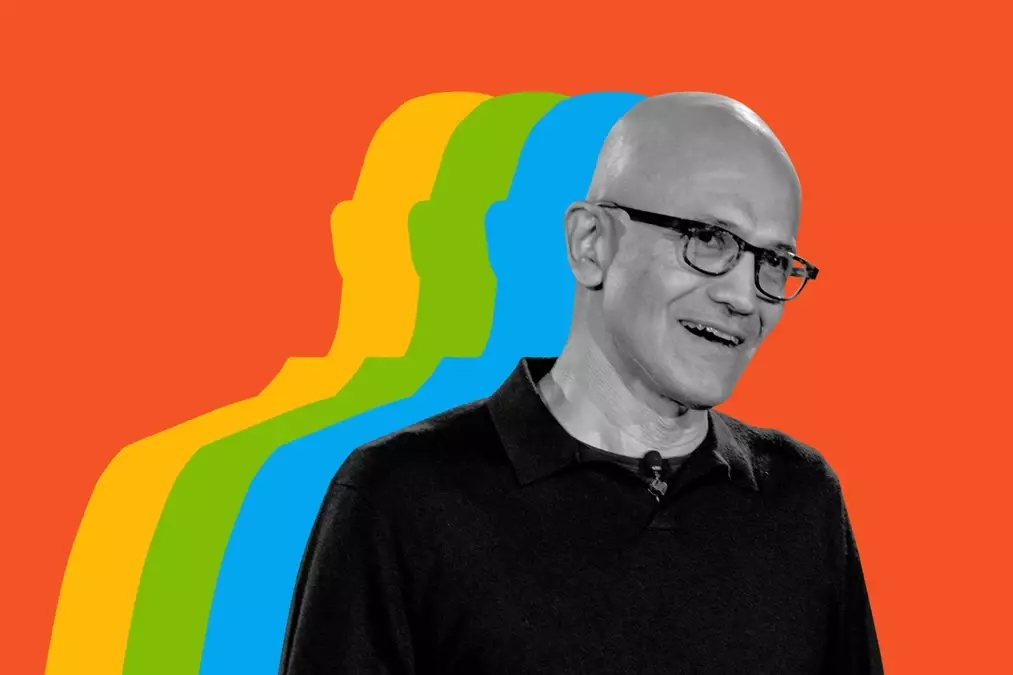
Nadella says to assume AI models are compromised In a lengthy post on X, Microsoft CEO Satya Nadella outlined risks posed by highly advanced AI models and argued that their advice and actions can no longer be treated as things people simply accept or reject. He cautioned against relying on AI as a “set of nested black boxes,” where it is difficult to see what is happening inside or understand how a model reached a decision. Nadella’s warning is that people should assume AI models are “compromised” rather than regard them as inherently trustworthy. That shifts the focus from deciding whether to accept a model’s output to building systems that let people examine and manage what the model does. He called for greater transparency, with models that can be contained and observed, and that leave behind “tamper-proof human readable evidence.” For Nadella, these safeguards are necessary as AI becomes more advanced. The goal is not to rely on a model’s advice or actions without scrutiny, nor to respond with a simple yes or no, but to make its behavior visible and accountable. That means treating oversight as part of how AI systems are built and used. Replace AI black boxes with transparent systems Nadella argued that society can no longer treat AI as “a set of nested black boxes,” accepting or rejecting a model’s advice and actions without a clearer view of how they work. Instead, he called for systems designed to make models containable and observable. Containment would mean keeping models within boundaries, while observability would make it possible to examine their behavior. Nadella also said these systems should leave behind “tamper-proof human readable evidence.” That record would give people evidence they can read and trust, rather than asking them to rely on a model’s outputs without a way to inspect what happened. Together, containment, observation, and durable evidence are central to his proposed alternative to opaque AI. The aim is not simply to decide whether to accept a model’s answer, but to build systems in which its behavior can be watched and constrained, with a human-readable account that cannot be tampered with. In Nadella’s view, transparency must be built into the system itself. Build an emergency brake for AI Nadella’s call for an “emergency brake” is part of a broader warning about the dangers posed by highly advanced AI models. In a lengthy post on X, Microsoft’s CEO argued that society needs ways to confront those risks rather than simply accept or reject whatever a model advises or does. He called for a more transparent system in which models can be contained and observed, and that leaves behind “tamper-proof human readable evidence.” Those safeguards would make it possible to examine what a model has done and keep it within limits, rather than treating its inner workings as inaccessible. The emergency-brake idea points to a need for a way to intervene when advanced models pose risks. Nadella’s recommendations focus on making systems inspectable and containable, with evidence that people can read and that cannot be tampered with. Together, those measures offer a way to confront the dangers of powerful models without relying on blind trust in their outputs. Nadella’s remarks and the wider debate Microsoft CEO Satya Nadella shared his views on the risks of highly advanced AI models in a lengthy post on X. His comments form part of the wider debate over AI superintelligence and how to address its potential dangers. Many of Nadella’s recommendations align with the broader AI superintelligence slowdown discussion. He argues that people should not simply accept or reject the advice and actions of systems treated as “a set of nested black boxes.” Instead, he calls for AI systems that can be contained and observed, and that leave behind “tamper-proof human readable evidence.” His proposals also include an “emergency brake” for AI. Taken together, these ideas reflect a call for greater transparency and ways to respond to risks from highly advanced models. Nadella’s remarks add to an ongoing conversation about whether the development of powerful AI should be slowed and what safeguards should be in place as these systems advance.


 Satya Nadella Says AI Models Need an Emergency Brake
 Apple Hires Huxe Team and Licenses Podcast Technology
 New Amazon Kindles Reportedly Show Light Leaks at Screen Edges
 RAM Shortage Revives DDR4 With New Intel and AMD CPUs
 AI Agents Promise Privacy: Can Dots and Muse Deliver?
 Anthropic Cuts Internet Access During Internal AI Evaluations