Article
Microsoft’s vision for Windows 11 When Microsoft released Windows 11 five years ago, it felt like an operating system still being renovated—a work in progress. By now, those renovations might seem due to be complete, with Microsoft turning its attention to Windows 12. Instead, Windows 11 remains in place, forming the foundation for the company’s ne...
Read article
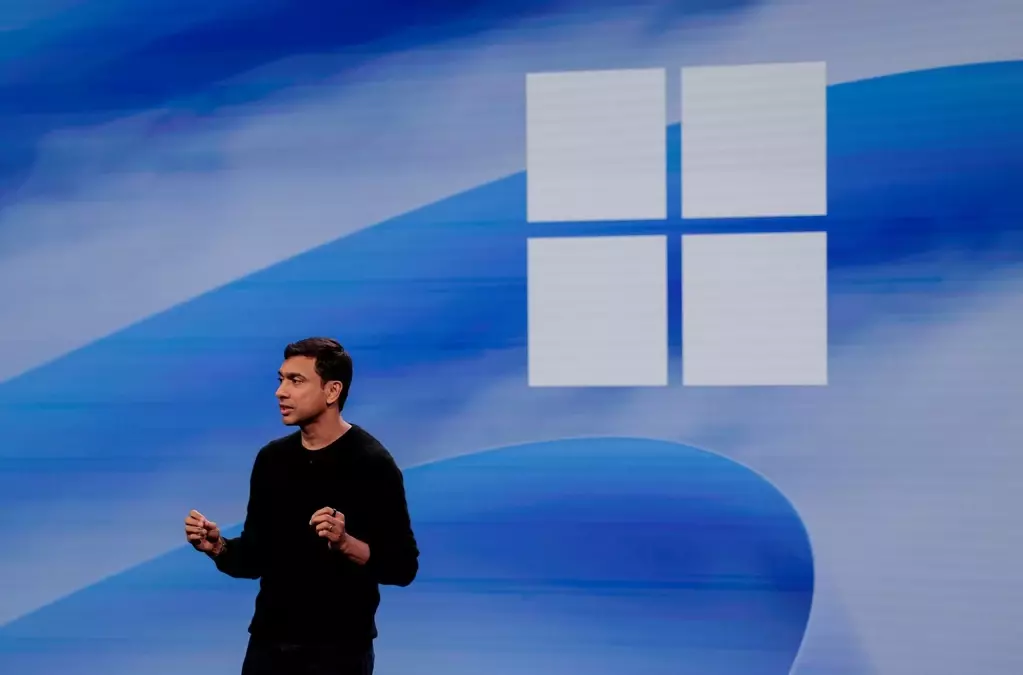
Microsoft’s vision for Windows 11 When Microsoft released Windows 11 five years ago, it felt like an operating system still being renovated—a work in progress. By now, those renovations might seem due to be complete, with Microsoft turning its attention to Windows 12. Instead, Windows 11 remains in place, forming the foundation for the company’s next big ambition: transforming Windows into an agentic operating system. That vision marks a shift in how Microsoft is thinking about the platform. Rather than moving on to a new version of Windows, the company is building on Windows 11 and changing what the operating system is meant to do. At a Windows and Surface event, Microsoft outlined plans to bring AI agents to Windows, alongside hybrid intelligence that can use free local models instead of expensive cloud ones. The direction suggests that Windows 11 is not simply a renovation project nearing completion. It is the base on which Microsoft intends to pursue a more ambitious role for Windows—one shaped by AI agents and a different balance between local and cloud computing. AI agents come to Windows At its Windows and Surface event, Microsoft laid out a plan to bring AI agents to Windows, pointing toward a change in how the operating system works. The company’s ambition is to transform Windows into an “agentic OS,” with Windows 11 forming the foundation for that effort. The plan includes hybrid intelligence: Windows would be able to use free local models rather than relying on more expensive cloud ones. That approach is part of Microsoft’s wider effort to make AI agents a feature of Windows, while drawing on models that can run on the device. Microsoft presented this direction as a shift in the shape of its frontier ecosystem. CEO Satya Nadella said, “I think today is the day we’ll start talking and thinking about the frontier ecosystem taking maybe slightly different contours.” The event’s focus suggests Windows is not simply continuing to be renovated; Microsoft is looking to build its next ambition on the Windows 11 foundation. Hybrid intelligence and local models Microsoft’s plan for Windows includes hybrid intelligence, an approach that would let the operating system use free local models rather than relying on more expensive cloud models. The idea is part of the company’s effort to bring AI agents to Windows and move the system toward its ambition of becoming an agentic OS. That shift would give Windows another option for handling AI tasks: models running locally on a PC, as well as models in the cloud. The distinction matters because Microsoft described local models as free and cloud models as more expensive. Rather than treating the cloud as the only route for AI, hybrid intelligence would let Windows take advantage of both kinds of models. Microsoft presented this as part of a broader change in how it thinks about the frontier ecosystem. At the Windows and Surface event, CEO Satya Nadella said the ecosystem might begin to take “slightly different contours.” His comment accompanied a vision in which Windows’ AI capabilities could draw on local models instead of defaulting to costlier cloud options. Nadella on a changing frontier ecosystem At Microsoft’s Windows and Surface event, CEO Satya Nadella pointed to a shift in how people might think about the frontier ecosystem as the company sets out to bring AI agents to Windows. “I think today is the day we’ll start talking and thinking about the frontier ecosystem taking maybe slightly different contours,” he said. The remark came as Microsoft outlined plans to transform Windows into an agentic operating system. Rather than presenting Windows 11 as a temporary stage before a new version, Microsoft is treating it as the foundation for this next ambition. A key part of the plan is hybrid intelligence: Windows could draw on free local AI models instead of relying only on more expensive cloud models. Nadella’s comment frames these changes as more than a set of new Windows features. The prospect of agents working across the operating system, alongside a mix of local and cloud intelligence, suggests that the ecosystem around AI is beginning to take a different shape. Microsoft’s event marked a moment to start discussing what those altered contours could mean for Windows and the broader frontier ecosystem.

 LG Apple Home Leak Hints at NFC Proximity Controls
 Flock Safety to Cut Hundreds of Jobs Amid Backlash
 YouTube, Meta and Twitch Won’t Say if They’d Stream an Execution
 Playdate Season 3 Makes the Handheld an Even Better Deal
 Apple to Hire Huxe Staff and License AI Audio Technology
 OpenAI Defends Firing Three AI Safety Researchers