


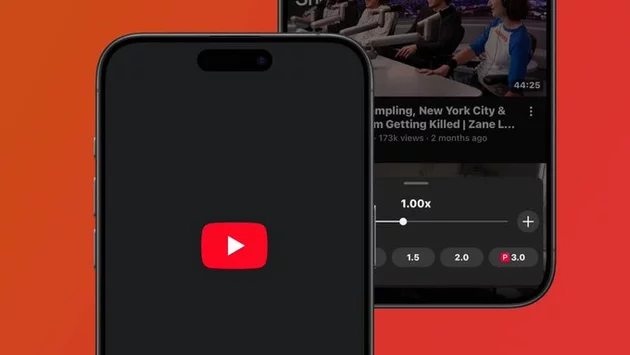
YouTube Playback Speed Might Soon Be Paid
-
4 minutes, 48 seconds
YouTube Playback Speed May Become a Paid Feature
Millions of people enjoy YouTube without paying a cent, but one of its most convenient tools could soon disappear from the free experience. A recent experiment suggests that YouTube may be moving its video playback speed feature behind the Premium paywall. For viewers who rely on speeding up lectures, tutorials, or podcasts, this change could be frustrating.
A Reddit user first revealed the experiment, sharing a screenshot showing a YouTube Premium prompt appearing when trying to adjust video speed. While not everyone sees this pop-up yet, it hints that YouTube is testing the waters for restricting a feature that’s long been free.
Why Playback Speed Matters to Free Users
Playback speed is more than a convenience—it's a time-saver. Many free users accelerate videos to consume content faster, whether for learning, entertainment, or multitasking. Losing this functionality could push viewers to either accept slower watching or consider subscribing to Premium.
The potential shift also raises questions about YouTube’s strategy. With Premium already offering ad-free viewing, offline downloads, and background playback, locking playback speed could feel like another nudge toward subscriptions. For free users, it may feel like one more reason to reconsider how much they use the platform without paying.
The Premium Push: How YouTube Is Experimenting
YouTube frequently tests features with limited groups before rolling them out. This experiment isn’t showing up for everyone, but screenshots indicate a clear message: “You need YouTube Premium to change playback speed.”
This could be part of a broader strategy to boost Premium adoption. While exact numbers are unknown, YouTube has been steadily expanding its subscription offerings, adding benefits like exclusive features and early access perks. Locking playback speed might seem small, but for heavy users, it’s a feature they interact with daily.
The Impact on Free Viewers
If playback speed does move behind a subscription, reactions are likely to be mixed. Some users might sign up for Premium to retain their control over video playback, while others could abandon YouTube or turn to alternative platforms.
Free YouTube viewers may feel the pinch most, particularly students, professionals, and content creators who rely on adjusting video speed to maximize efficiency. While YouTube remains a go-to platform for video content, even small changes can create big frustrations for habitual users.
What This Means for YouTube Subscribers
YouTube Premium subscribers will see little change, but the move could make Premium slightly more appealing to free users. For YouTube, it’s a balancing act: encouraging subscriptions without alienating the base of free viewers who generate ad revenue.
Whether playback speed ends up behind the paywall permanently remains unclear. YouTube often rolls back or modifies experiments based on feedback. Still, the Reddit revelation signals the platform is testing how far users are willing to go before paying for a feature they’ve long taken for granted.
A Small Feature with Big Implications
Playback speed might seem minor compared to ad-free viewing or offline downloads, but its potential restriction touches millions of users daily. YouTube’s experiment underscores a growing trend of monetizing even basic tools to drive subscriptions.
For now, free users can continue using playback speed, but keeping an eye on updates is wise. If this change goes live, it may redefine how millions of viewers experience the platform—and whether they decide to subscribe to Premium or seek alternatives.



Contact Information





Suggested Writers
-

2.5K articles
-

1.3K articles
-

34 articles
-

28 articles



Comment