
Alerts
-
3 minutes, 54 seconds
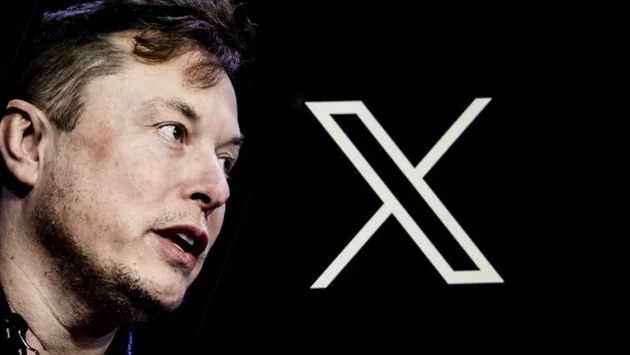
Elon Musk announced this weekend that X, formerly known as Twitter, will open-source its full recommendation algorithm within the week. This bold move could make X the first major social platform to regularly share the code behind how it decides which posts and advertisements appear in users’ feeds. The announcement immediately sparked curiosity among developers, researchers, and regulators who have long sought transparency in social media algorithms.
X faces mounting regulatory scrutiny over how its algorithm manages content and potential biases. Last July, Paris prosecutors launched an investigation into X’s recommendation system amid concerns it might favor certain political content. The EU has also extended data retention orders following reports of sexualized deepfakes and AI-generated content involving minors on X’s AI chatbot, Grok. Countries like Indonesia have already blocked Grok, while Australia and the UK have publicly criticized X’s approach to content moderation.
Opening the recommendation algorithm will allow external developers and academic researchers to examine exactly how X ranks posts and advertisements. Analysts say this could help detect algorithmic bias, improve moderation, and create safer online experiences. Transparency advocates argue this step may set a new standard for social media platforms worldwide, encouraging others to reveal how content is prioritized and monetized.
Elon Musk has previously promised to open-source X’s recommendation system but delivered little. This announcement represents the most concrete plan yet, signaling Musk’s intent to follow through on past commitments. If completed, it would mark a significant shift from closed, proprietary social media algorithms toward a more open, accountable model.
Experts caution that publishing the full code comes with risks. Hackers could exploit vulnerabilities, and bad actors might attempt to manipulate the algorithm. Moreover, interpreting complex AI models remains a challenge even for experienced researchers. Musk and his team will need to balance transparency with security, ensuring the system remains resilient while sharing meaningful insights.
If X successfully open-sources its recommendation algorithm, the move could pressure other platforms to follow suit. Social media transparency has long been a demand from regulators, civil rights groups, and researchers. By taking the lead, X could reshape expectations for accountability and algorithmic fairness across the industry, particularly in regions where content moderation is heavily scrutinized.
The coming week will be pivotal for X, its users, and the wider tech industry. Open-sourcing its recommendation system could redefine how platforms interact with regulators, researchers, and everyday users. Whether Musk can deliver on this promise could set a precedent for transparency and trust in social media for years to come.










Comment