Alerts

-
3 minutes, 0 seconds
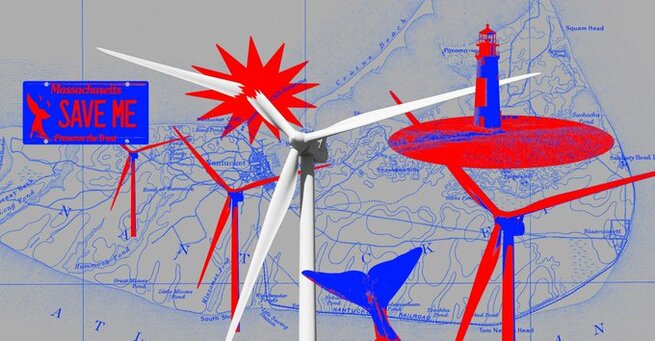
Offshore wind farms are often celebrated as one of the most reliable and cost-effective sources of renewable energy. But when a wind turbine blade breaks, as recently seen off the coast of Massachusetts, it raises critical questions about safety, sustainability, and the future of clean energy projects in the United States. The incident has sparked conversations among residents, environmentalists, and industry experts, highlighting both the promise and the challenges of offshore wind development.
When a wind turbine blade breaks, the environmental and economic impact can be significant. In this case, debris ranging from small fiberglass shards to large fragments washed ashore across Nantucket Island, disrupting coastal ecosystems and alarming local communities. Offshore wind projects, such as the Vineyard Wind development, are closely monitored as test cases for large-scale renewable energy adoption in the U.S. A setback like this not only affects marine life and shorelines but also fuels debate about the risks of scaling offshore wind farms nationwide.
For Nantucket residents, the timing of the blade break was particularly devastating. The debris not only littered local beaches but also raised concerns about tourism, fishing, and overall environmental safety. Environmental groups argue that while wind energy is vital for reducing reliance on fossil fuels, mishaps like broken blades must be addressed through stricter safety measures and better maintenance protocols. Local voices now play a key role in shaping the narrative around offshore wind energy—balancing the urgency of climate action with the realities of coastal living.
A broken wind turbine blade at such a high-profile site underscores the challenges facing renewable energy infrastructure. Developers, investors, and policymakers will be under pressure to improve blade technology, strengthen quality assurance, and ensure greater transparency. While setbacks may slow momentum, offshore wind remains a crucial component of U.S. clean energy goals. Learning from this incident can pave the way for stronger, safer, and more sustainable projects that deliver on the promise of renewable power without compromising environmental integrity.










Comment