
-
6 minutes, 57 seconds
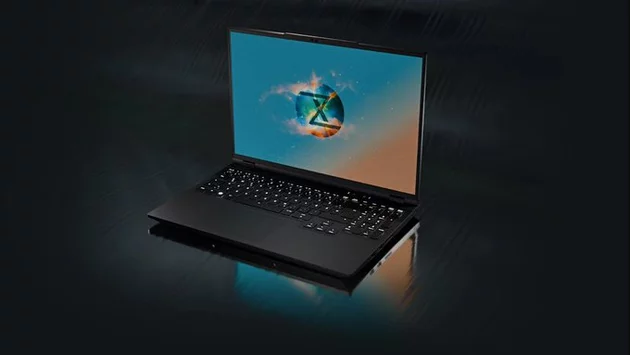
Tuxedo InfinityBook Max 16 is aimed at users wondering whether 2026 is finally the right time to ditch Windows for Linux without sacrificing performance. This 16-inch ultraslim workstation promises desktop-class Intel Core Ultra 9 power, configurable RTX graphics, and a surprisingly lightweight design. Built specifically for Linux users, it targets developers, engineers, creators, and business professionals who need sustained performance in a portable form. The big question many readers ask is simple: can a thin Linux laptop really replace a bulky workstation? Tuxedo believes the answer is yes.
At the heart of the InfinityBook Max 16 is the Intel Core Ultra 9 275HX, a 24-core processor derived from desktop-class designs. This chip is designed for heavy multitasking, large codebases, data analysis, and creative workloads that push CPUs for extended periods. Tuxedo says the processor can sustain up to 140 watts at maximum fan speed, which is unusual for a laptop weighing just over two kilograms. Even more interesting is the claim that around 90 percent of peak performance can be achieved below 100 watts. That balance could mean quieter operation during long work sessions without a major performance hit.
Graphics performance is another area where the InfinityBook Max 16 sets itself apart from typical business laptops. Buyers can choose between RTX 5060 and RTX 5070 GPUs, positioning the machine closer to a compact workstation than an ultraportable. Both GPUs offer adjustable power limits, allowing users to tune performance and fan noise to match their needs. The RTX 5060 can be configured between 45 and 115 watts, while the RTX 5070 runs between 50 and 115 watts. This level of control is particularly useful for Linux users who value flexibility over locked-down defaults.
Instead of forcing a single performance profile, Tuxedo gives users direct control over power scaling. This means developers compiling large projects, designers rendering 3D scenes, or analysts running simulations can choose maximum output when needed. At the same time, lighter workloads can run at lower power levels to reduce heat and fan noise. This approach reflects a growing demand for user-driven performance tuning, especially among professionals who spend long hours on their machines. It also reinforces the idea that this laptop is built for serious work, not just spec sheets.
Cooling is often the biggest challenge in thin laptops, especially those with high-end CPUs and GPUs. The InfinityBook Max 16 uses an 8mm low-profile cooling system, slightly thicker than some slimmer models but designed to handle much higher thermal loads. According to Tuxedo, the cooling solution supports a combined CPU and GPU power budget of up to 170 watts at full fan speed. That figure is impressive for a device this thin and suggests sustained performance rather than short bursts. For professionals, consistent output matters more than brief benchmark spikes.
Unlike many laptops where Linux support feels like an afterthought, this machine is clearly designed with Linux users in mind. Hardware choices, power management, and thermal behavior are all tuned to work reliably under Linux distributions. This focus reduces common frustrations such as unstable drivers, inconsistent performance, or limited power control. For businesses and individuals standardizing on Linux, that reliability can translate into fewer headaches and more productive workdays. It also signals growing confidence in Linux as a primary operating system for professional environments.
The InfinityBook Max 16 supports up to 128GB of DDR5 memory, making it suitable for heavy multitasking and memory-intensive workloads. This level of RAM capacity is rarely seen in slim laptops and appeals directly to power users. Developers running multiple virtual machines, researchers handling large datasets, or creators working with complex assets all benefit from generous memory headroom. Combined with the high-core-count CPU, the system is clearly built to scale with demanding workflows. It is less about casual use and more about long-term productivity.
What makes the InfinityBook Max 16 compelling is not a single headline feature but the balance it strikes. It combines desktop-inspired performance, configurable graphics, serious cooling, and Linux-first design in a chassis that remains portable. For users considering a switch away from traditional operating systems, this laptop lowers the barrier by offering familiar power without familiar compromises. It also reflects a broader shift toward high-performance Linux hardware that feels intentional rather than experimental. As Linux adoption grows in professional spaces, devices like this could play a key role.
Tuxedo InfinityBook Max 16 sends a clear message: high-end Linux laptops no longer need to be bulky, noisy, or niche. By focusing on sustained performance, user control, and thoughtful thermal design, it positions itself as a serious alternative to traditional business workstations. For professionals planning their next upgrade cycle, especially those eyeing 2026 and beyond, this machine offers a glimpse of what modern Linux hardware can be. The era of compromise-heavy Linux laptops may finally be fading.

2.5K articles

1.3K articles

34 articles

28 articles














Comment