
-
4 minutes, 11 seconds
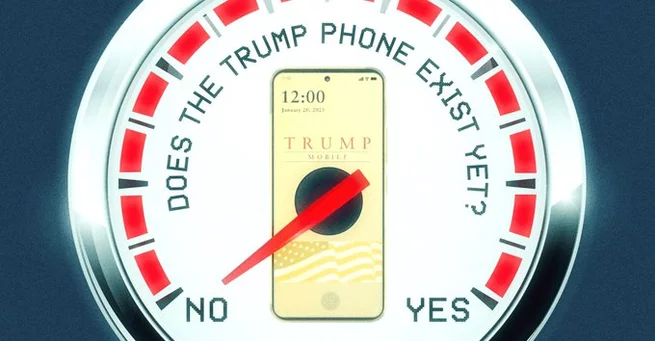
Rumors about the Trump phone have resurfaced this week, with claims that 600,000 units were preordered. At $100 a pop, this would mean $60 million in deposits—but there’s no verified evidence to back it up. The figures have gone viral online, showing how quickly unverified numbers can gain traction in today’s social media-driven news cycle.
The alleged preorder numbers appeared across multiple platforms, gaining attention from users and commentators alike. Despite the excitement, no official statements or sales reports confirm these figures. Investigations trace the claim to a single anonymous social media post, which highlights the risks of accepting viral information at face value.
Analysts caution that the combination of speculation, media amplification, and AI-generated content can make unverified data appear credible. This phenomenon demonstrates how easily misinformation can circulate, particularly when tied to high-profile names like former President Trump.
Timing may also be fueling the story. The alleged sales numbers emerged just before a group of U.S. lawmakers called for an investigation into Trump Mobile’s advertising practices. Critics have accused the company of potentially misleading marketing, though some argue that public attention to the phone is overblown.
Commenters have expressed skepticism online. Many doubt that hundreds of thousands of people would deposit money for a phone that hasn’t been widely reviewed or officially released. This debate has kept the Trump phone in news cycles, even as physical availability remains limited.
Attempts to verify the 600,000 preorder figure have yielded no results. Tech show appearances, press statements, and official company releases provide no supporting data. Sources familiar with Trump Mobile have not confirmed the numbers, leaving the claim as essentially anecdotal.
Industry experts note that hype alone can drive these stories. Viral posts and social media algorithms reward attention-grabbing claims, even without factual basis. In the case of the Trump phone, the hype may be more profitable than the product itself, as discussions, speculation, and media coverage continue to dominate headlines.
The Trump phone saga serves as a case study for modern information consumption. Viral sales claims, amplified by AI chatbots and social networks, can mislead audiences and influence public perception. Fact-checking and cautious skepticism are crucial for anyone following high-profile tech products, particularly those tied to political figures.
Until official sales data or independent verification emerges, claims about 600,000 preorders remain unsubstantiated. Consumers and commentators alike should approach sensational numbers with a critical eye, recognizing the difference between online chatter and verified business performance.
While skepticism remains, curiosity about the Trump phone shows no signs of fading. Future announcements, product launches, or investigations may finally shed light on the truth behind these viral numbers. For now, the story serves as a reminder of how quickly misinformation can spread—and how important verification remains in today’s fast-paced news landscape.

2.6K articles

1.4K articles

34 articles

28 articles












Comment