
-
5 minutes, 33 seconds
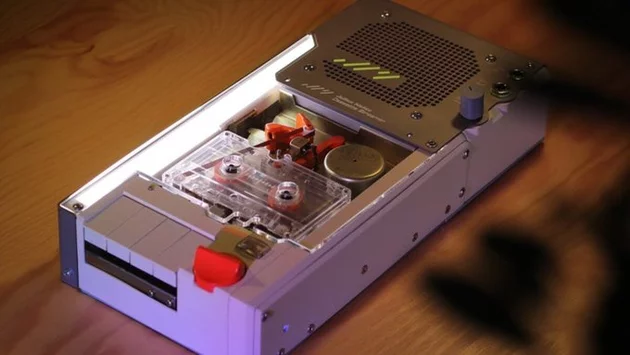
Spotify on Cassette is exactly what it sounds like, and yes, it’s real. A DIY creator has figured out how to stream Spotify directly onto a cassette tape, sparking fascination across tech and music communities. Many readers are asking what it is, who made it, and whether it’s something you can actually buy. The short answer is that it’s a one-off passion project, not a commercial product. Still, the idea alone feels like a perfect snapshot of today’s tech nostalgia moment. Old-school audio formats are trending again, and this project pushes that trend to an unexpected extreme. It blends modern streaming with analog charm in a way few saw coming. For fans of retro tech, it feels oddly irresistible.
Audio hardware has taken a sharp turn toward the past this year. Wired earbuds are cool again, MP3 players are resurfacing, and even CD players are earning style points. Spotify on Cassette fits neatly into this cultural shift, even if it’s the most surprising example yet. The renewed interest isn’t just about sound quality; it’s about physical interaction with music. People miss pressing buttons, flipping tapes, and feeling connected to what they’re listening to. This cassette project taps into that emotion while still relying on modern streaming platforms. It’s both ironic and sincere at the same time. That contrast is what makes it so compelling.
The project comes from YouTuber and maker Julius Makes, known for clever DIY builds. Rather than designing a polished consumer gadget, he hacked together a working prototype purely for fun. Spotify on Cassette isn’t meant to be practical or scalable, and that’s part of its charm. The device takes a Spotify stream and routes it through hardware that outputs audio to a cassette deck. From there, the tape behaves like any other cassette you’d pop into a Walkman. It’s a technical flex wrapped in playful absurdity. Julius has made it clear there are no plans to sell it. Even so, the internet instantly wanted one.
At a glance, Spotify on Cassette makes no logical sense. Streaming exists to remove friction, while tapes are famously inconvenient. Yet that friction is exactly what draws people in. Rewinding, flipping sides, and committing to an album feel meaningful in a world of endless skips. The project highlights how modern listeners crave intentional listening experiences again. It also pokes fun at how far nostalgia culture can go. By merging Spotify with tape, the device becomes both satire and celebration. That duality makes it easy to love.
One important detail keeps coming up: you can’t buy Spotify on Cassette. It’s a single DIY build with no commercial roadmap. Despite that, its impact is already visible online. The project has sparked conversations about how people interact with music today. It also shows how creators can remix old formats with new platforms in creative ways. Even without a product launch, the idea alone inspires others to experiment. Sometimes innovation doesn’t need to scale to matter. It just needs to spark imagination.
Spotify on Cassette isn’t about convenience or audio fidelity. It’s about emotion, curiosity, and cultural cycles. Music technology keeps looping back on itself, finding new meaning in old tools. This project captures that moment perfectly, blending streaming algorithms with magnetic tape. It reminds listeners that music is more than playlists and background noise. Physical formats, even outdated ones, still hold power. As nostalgia continues shaping tech trends, ideas like this may become more common. For now, Spotify on Cassette stands as a weird, wonderful symbol of where music culture is headed next.

2.5K articles

1.4K articles

34 articles

28 articles













Comment