Sony’s Ergonomic Upgrades: Progress or Just Hype?
Sony has been steadily updating the ergonomics of its camera lineup, but photographers still notice a gap compared to Canon and Nikon. The recently announced Sony A7 V promised better handling, following improvements seen in the flagship A9 III and A1 II. While these updates bring slightly taller grips and smoother contours, the reality is that prolonged shooting can still be uncomfortable. Photographers seeking hours-long usability may find themselves longing for more thoughtful designs.
A7 V vs. Competitors: Comfort in the Hand
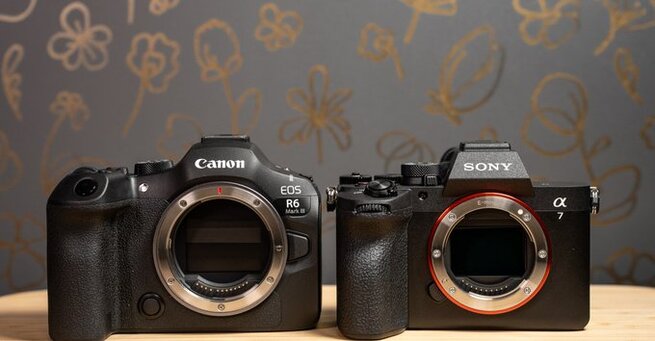
Despite being compact, the A7 V doesn’t feel smaller—it just feels less comfortable. Canon and Nikon cameras often offer more natural grip shapes and finger placement, making long shoots less fatiguing. Sony’s designs incorporate features from higher-end models, but they fail to fully translate into ergonomic comfort for everyday use. The result is a camera that performs well technically but struggles to feel intuitive in the hand.
Incremental Changes in Sony’s Flagships
Sony’s A9 III and A1 II showed signs of progress with slightly larger grips and more rounded contours. These subtle changes help, but they are far from revolutionary. Many professional photographers still report discomfort after extended shoots, particularly in the middle finger joint during wedding photography or event coverage. It’s clear that Sony is aware of the problem, but the fixes so far are incremental rather than transformative.
The A7 V’s Ergonomics: A Missed Opportunity
The A7 V aimed to appeal to a broader audience, yet it delivers the weakest ergonomic improvements among recent Sony releases. The grip lacks the height and curvature of the A9 III, limiting its comfort during extended use. For photographers upgrading from Sony’s older models, the A7 V may feel like a step forward in features but not in handling. Ergonomics remain the brand’s overlooked Achilles’ heel.
Why Ergonomics Matter for Professionals
Camera comfort isn’t just a luxury—it impacts performance. When grips are awkward or poorly contoured, photographers experience fatigue, reduced stability, and even long-term strain. Pro users, who often shoot weddings, sports, or events for hours at a stretch, need a camera that feels like an extension of the hand. Sony’s gradual improvements are welcome, but they still fall short of delivering that essential comfort.
Sony’s Balancing Act: Features vs. Handling
Sony excels at cramming advanced features into cameras at various price points. The challenge lies in balancing technical innovation with ergonomic design. While the A7 V offers the same tech as higher-end models, its smaller, less contoured grip diminishes the usability for long sessions. Competitors like Canon and Nikon still lead in creating cameras that are both powerful and physically comfortable.
Will Sony Close the Gap?
Sony has signaled awareness of ergonomic complaints, but significant improvement may take years. Photographers hoping for a truly comfortable full-frame mirrorless camera from Sony might need to wait for future generations. Meanwhile, the brand continues to offer technically impressive cameras, even if they occasionally sacrifice comfort in the process.





Comments