Smart Fridge Redefines Grocery Planning at CES 2026
Smart fridge technology is taking a practical turn at CES 2026, and GE Appliances wants to remove the daily frustration of grocery tracking. The latest GE Profile smart fridge answers common questions like how to remember what you’re out of, how to avoid overbuying, and whether smart appliances can actually save time. Designed for busy households, the fridge blends scanning, visual tracking, and digital lists into one system. GE’s goal is simple: make shopping less mental work. Instead of guessing what’s missing, users get real-time insight. The result feels more helpful than gimmicky. That practical focus sets this launch apart.
GE Profile Smart Fridge Adds Scan-to-List Tech
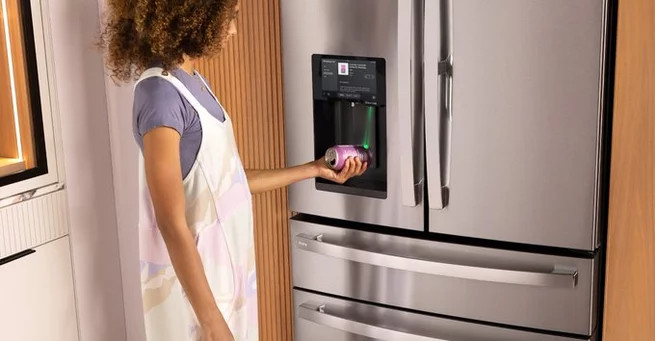
Smart fridge innovation centers on GE’s patented “Scan-to-List” barcode scanner built directly into the water dispenser. Users can scan items as they unpack groceries or when supplies run low. Each scan instantly adds the product to a digital shopping list. Unlike phone apps, the scanner stays where the food lives. This reduces the friction that usually kills smart home features. GE designed it for fast, one-handed use. The company says the scanner recognizes most major grocery barcodes. That makes list-building nearly automatic.
Interior Cameras Track What’s Actually Inside
Smart fridge features also include an upgraded interior camera system that shows what’s inside without opening the door. The cameras sync with the fridge’s software to give a visual snapshot of shelves and compartments. This helps users confirm whether milk is finished or just hiding behind leftovers. GE positions this as a food-waste solution, not just a convenience add-on. Seeing items before shopping reduces duplicate purchases. The system works remotely through GE’s SmartHQ app. That makes checking the fridge possible from the store aisle.
Built-In Tablet Acts as the Control Hub
Smart fridge usability improves with an integrated 8-inch tablet mounted on the door. The screen acts as a command center for grocery lists, fridge settings, and smart home controls. Users can edit lists manually or confirm scanned items directly on the display. GE also supports voice commands for hands-free interaction. The interface is intentionally simple to avoid overwhelming users. According to GE, usability testing focused on non-tech-savvy households. That focus shows in the clean layout and large icons.
Smart Fridge Targets Real Household Pain Points
Smart fridge adoption has often stalled because features felt unnecessary or too complex. GE is clearly targeting everyday pain points like forgetting items, overbuying groceries, and wasting food. By combining scanning, cameras, and lists, the fridge works as a single system instead of disconnected tools. This approach aligns with growing demand for practical smart home tech. Consumers want appliances that reduce mental load, not add apps. GE’s long experience in home appliances lends credibility here. The company emphasizes reliability over flashy AI claims.
Why This Smart Fridge Could Actually Catch On
Smart fridge skepticism remains, but GE’s CES reveal suggests a turning point. The feature set feels grounded in real routines rather than future promises. Instead of changing how people shop, the fridge adapts to existing habits. That lowers the barrier to daily use. With grocery costs rising, tools that reduce waste carry more value. GE hasn’t announced pricing yet, but expectations align with premium appliance buyers. If execution matches the concept, this smart fridge may finally justify its intelligence.





Comment