Alerts

-
2 minutes, 55 seconds
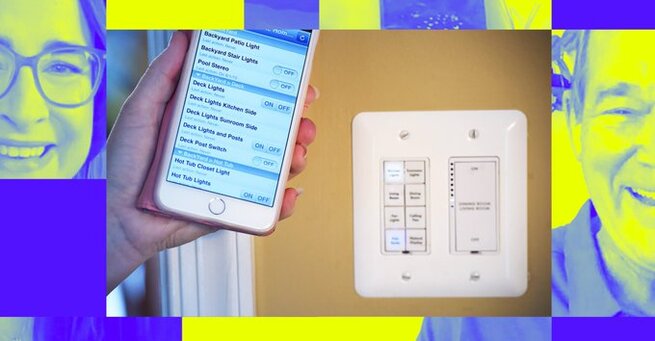
Saving a smart home company in today’s competitive market is no easy task. Many promising brands shut down unexpectedly, leaving customers scrambling to replace devices or find workarounds. From unpredictable market shifts to the high costs of innovation, the road to survival is steep. Insteon, once a pioneer in smart lighting, nearly vanished—but thanks to a passionate user-turned-owner, the company staged a remarkable comeback. Their story offers valuable lessons for any smart home business aiming to avoid the pitfalls of the industry.
Insteon began as an innovative smart lighting protocol in the early days of wireless home automation, evolving from the wired X10 era. For years, it built a loyal customer base, but economic pressures, operational challenges, and shifting consumer trends led to bankruptcy. Enter Ken Fairbanks, a longtime Insteon customer who, along with a group of dedicated former employees, stepped in to acquire the brand. Their shared commitment to the technology and community became the driving force behind Insteon’s rebirth.
Fairbanks’ experience highlights several survival strategies. First, nurturing customer loyalty can be more powerful than aggressive marketing—happy users often become brand ambassadors. Second, balancing product innovation with sustainable subscription models is crucial. Third, smart home businesses must be prepared for external pressures, from tariffs on imported components to volatile market demands. Avoiding overdependence on constant new sales—akin to pyramid-like revenue structures—can also protect long-term stability.
The revival of Insteon proves that saving a smart home company is possible with vision, dedication, and a customer-first approach. The industry’s future will depend on transparency, reliable product support, and adapting to changing consumer needs. As more homes adopt automation, companies that prioritize trust, long-term value, and innovative problem-solving will not just survive—they will thrive. For customers, this means more dependable smart home experiences, and for businesses, a sustainable path forward in a rapidly evolving market.








Comment