Alerts

-
2 minutes, 57 seconds
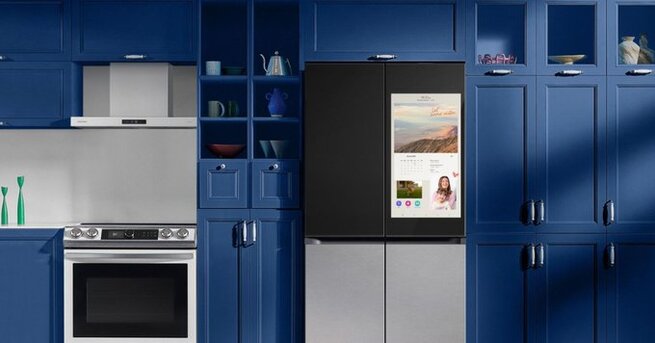
Samsung smart fridge ads are now officially arriving in the US through a new software update to the Family Hub refrigerators. The move introduces promotions and curated advertisements directly on fridge screens, sparking discussions among consumers about convenience, privacy, and the future of smart home appliances. Many users are now asking what this means for their kitchen experience and whether ads belong on everyday household devices.
According to Samsung, the introduction of smart fridge ads is part of a pilot program designed to “strengthen the value” of owning a connected appliance. The ads will appear on the Cover Screen when the Family Hub is idle, integrating promotions into the daily use of the fridge. While Samsung frames this as a way to enhance user value, critics argue that it shifts the focus from functionality to monetization, raising questions about how much control consumers will have over their own devices.
For many, the Family Hub refrigerator is a centerpiece of the modern smart kitchen, offering features like meal planning, shopping lists, and integration with connected devices. With ads now in the mix, users may feel their appliances are becoming more like billboards than helpful tools. This shift could affect user trust, especially for those who bought these fridges expecting a premium, ad-free experience. At the same time, some may find value in curated promotions if they align with their daily needs, such as grocery deals or household product suggestions.
The rollout of Samsung smart fridge ads highlights a broader trend: the blending of technology, advertising, and everyday life. As connected appliances become more common, brands may explore similar strategies to generate revenue or provide targeted deals. For consumers, this raises important questions about privacy, user choice, and the balance between convenience and commercialization. Ultimately, the success of this pilot program will depend on how Samsung manages user feedback and whether consumers accept ads as part of their smart home experience.










Comment