AMD Confirms Radeon Stock Won’t Run Out
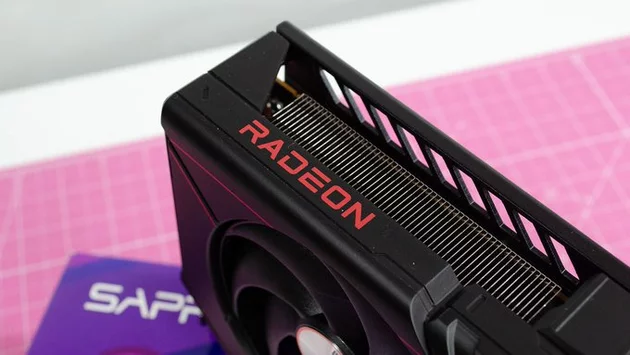
Gamers worrying about GPU availability can breathe a sigh of relief. AMD executive David McAfee, Corporate VP of Client Channel Business, confirmed at CES 2026 that Radeon graphics cards will not face stock shortages despite the ongoing RAM crisis. While memory prices have been volatile, AMD’s supply chain appears robust enough to keep production steady. This reassurance comes amid growing speculation about potential Radeon price hikes, which have left many PC enthusiasts on edge. McAfee’s comments signal that gamers can still plan upgrades without fearing sudden scarcity.
RAM Prices Drive GPU Cost Concerns
The discussion turned to RAM, a critical component for modern graphics cards. TweakTown asked McAfee whether surging memory costs could force AMD to slow GPU production or raise prices. While McAfee didn’t commit to exact figures, he acknowledged that some increase in Radeon pricing is likely. Industry insiders suggest that VRAM shortages and higher component costs could gradually push GPU prices upward, though not in a drastic spike. AMD appears focused on balancing supply stability with manageable cost adjustments for consumers.
Modest Price Hikes Expected
McAfee’s remarks hinted that any potential price increases would be “modest.” This aligns with AMD’s recent strategy of maintaining competitive pricing against rivals like NVIDIA while navigating inflation in PC hardware components. Analysts suggest that price adjustments, if they happen, could range from small percentage points per GPU tier. For gamers looking to upgrade, this means acting sooner rather than later may help lock in current pricing. AMD seems intent on avoiding the kind of sudden market disruptions seen in past GPU cycles.
CES 2026 Spotlight on Radeon
CES 2026 provided a rare chance for AMD to address lingering rumors about GPU costs. McAfee’s interview reassured fans that Radeon cards will remain accessible and that the company is actively monitoring VRAM supply challenges. While price rises cannot be ruled out, AMD’s proactive communication reflects a broader commitment to transparency. This is crucial for the PC gaming community, which has been closely watching both AMD and NVIDIA amid fluctuating component markets.
Industry Reaction and Analyst Take
Experts in PC hardware have noted that AMD’s approach is pragmatic. With RAM prices expected to stabilize eventually, any temporary Radeon price hikes may be short-lived. Analysts believe AMD is positioning itself to avoid panic buying while keeping profitability intact. Consumers can expect availability to remain high, with only gradual price adjustments reflecting broader market trends. For now, gamers can continue planning builds without fearing empty shelves.
What This Means for Gamers
For PC enthusiasts, the takeaway is clear: Radeon GPUs are unlikely to vanish from stores, but prices could inch higher. Those in the market for new graphics cards may want to consider acting soon to avoid small cost increases. AMD’s message balances reassurance with caution, reflecting both supply chain confidence and realistic pricing pressures. Overall, gamers can expect a steady flow of Radeon cards while remaining alert to minor price changes.





Comment