
Alerts
-
2 minutes, 15 seconds
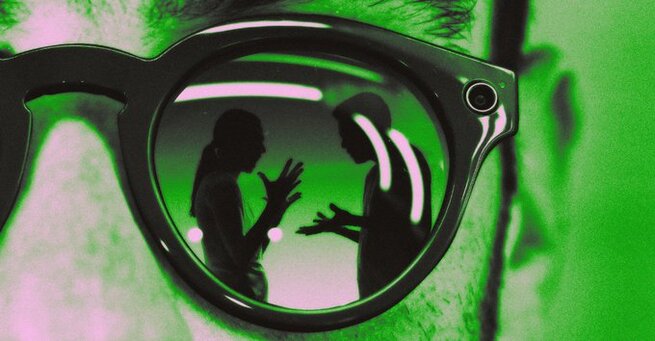
With Meta’s new smart glasses hitting the market, ‘luxury surveillance’ is becoming a real concern. Unlike earlier tech attempts like Google Glass, these devices are discreet, stylish, and powerful, making it easier than ever to record surroundings without consent. Privacy laws are lagging behind, leaving users vulnerable to constant monitoring, social shaming, and unregulated data collection.
Current privacy regulations were not designed for wearable devices that can record, livestream, and analyze data in real time. Meta’s glasses, with hidden cameras and AI features, can capture every interaction, often without explicit permission. Lawmakers struggle to keep up, meaning enforcement is slow, penalties are unclear, and users are left with limited protection against intrusive technology.
‘Luxury surveillance’ doesn’t just threaten privacy—it amplifies social consequences. Videos captured by smart glasses can go viral instantly, often outpacing legal interventions. Even if recording is technically illegal in certain contexts, public exposure and social backlash can occur faster than courts can respond, creating a modern dilemma where law enforcement feels powerless against the speed of technology.
Users can take proactive steps to protect themselves from intrusive smart devices. Awareness of device features, advocating for stricter privacy regulations, and using anti-surveillance tools can help mitigate risks. While laws catch up, personal vigilance remains the most effective shield against ‘luxury surveillance.’









Comment