Distancing in leadership is the skill of mentally stepping back from your emotions and biases to make better decisions. Retired U.S. Navy Captain David Marquet, author of Distancing: How Great Leaders Reframe to Make Better Decisions, explains it as “the ability to imagine we are not ourselves.” This mindset helps leaders escape tunnel vision—the tendency to defend past decisions—and instead view situations with greater objectivity. In a high-pressure world, distancing allows leaders to think clearly, respond wisely, and lead without ego.
The Three Modes of Distancing in Leadership
Marquet breaks distancing in leadership into three modes: being someone else, somewhere else, or sometime else.
-
Be someone else: Imagine how another person would see the same challenge. This helps reduce judgment and self-defense.
-
Be somewhere else: Shift your mental vantage point. Visualize observing a tough meeting “as a fly on the wall.”
-
Be sometime else: View decisions from your future self’s perspective. Ask, “What would I regret not doing?”
These simple shifts reduce emotional reactivity and open space for more thoughtful, strategic thinking.
How Leaders Apply Distancing to Outsmart Bias
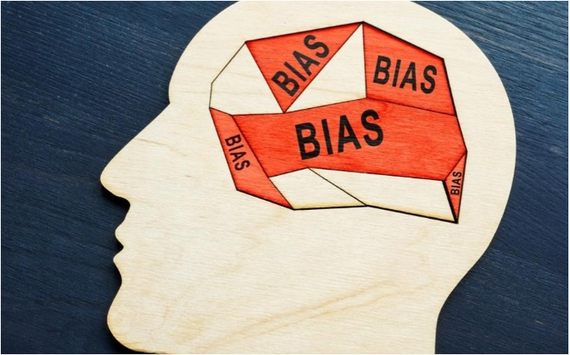
One of the biggest benefits of distancing in leadership is escaping confirmation bias—our brain’s tendency to filter information to justify our own choices. Marquet suggests journaling in the third person (“David can do it”) or asking, “What would my mentor do?” These techniques help leaders challenge their own assumptions. Teams can use distancing too—by writing decisions privately before discussion to surface diverse perspectives and prevent groupthink.
FAQs: Using Distancing in Leadership Every Day
Q: How does distancing improve leadership decisions?
A: It helps leaders separate emotion from logic, making choices based on clarity, not impulse.
Q: Can distancing reduce workplace conflict?
A: Yes. By viewing situations through another’s lens, leaders build empathy and reduce reactivity.
Q: How can I practice distancing right now?
A: Think of a current challenge, then ask: “What advice would someone I respect give me?” That pause can change everything.














Comment