Parseword: Wordle Creator’s New Puzzle Game Arrives
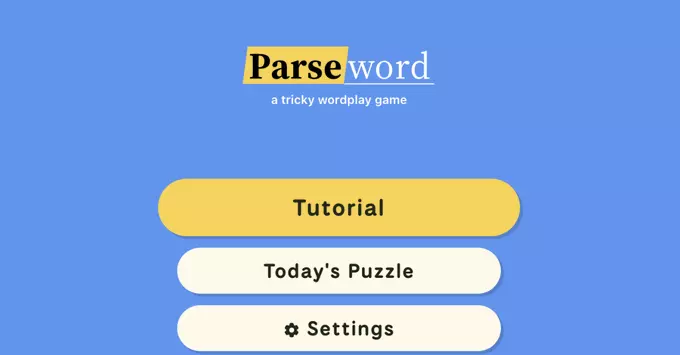
Fans of daily word games are discovering Parseword, a new puzzle created by the mind behind the viral sensation Wordle. Designed to introduce players to cryptic crosswords, Parseword combines approachable tutorials with challenging gameplay. The new puzzle experience aims to help beginners understand cryptic clues while still offering satisfying challenges for experienced solvers. With several modes and learning tools built into the game, Parseword is already gaining attention among puzzle enthusiasts looking for their next daily brain teaser.
Parseword Introduces a New Kind of Word Puzzle
Parseword is a fresh puzzle concept built around the structure of cryptic crosswords, a style of puzzle known for its clever wordplay and layered clues. Unlike traditional crosswords where clues are straightforward definitions, cryptic puzzles contain hidden hints, anagrams, and wordplay that must be decoded before finding the correct answer.
For many players, cryptic crosswords can feel intimidating at first. The clues often require a mix of vocabulary knowledge, pattern recognition, and lateral thinking. Parseword attempts to break down that barrier by presenting puzzles in a simplified format that gradually teaches players how cryptic clues work.
The result is a puzzle game that feels educational without losing the fun challenge that word game fans love.
Josh Wardle Returns to Puzzle Design
Josh Wardle became widely known after creating the word puzzle that quickly turned into a global daily ritual for millions of players. After stepping away from the spotlight for a while, Wardle has returned with a new project that reflects his personal love for puzzles.
Rather than recreating the formula that made Wordle famous, Parseword focuses on a different puzzle tradition entirely. Cryptic crosswords have long been popular among dedicated puzzle fans but often feel inaccessible to newcomers.
Wardle’s goal with Parseword is to bridge that gap. By building a structured learning experience into the game, he hopes to make cryptic puzzles enjoyable for people who have never tried them before.
Built-In Tutorials Make Cryptic Crosswords Easier
One of Parseword’s most notable features is its built-in learning system. The game includes tutorials that explain how cryptic clues are constructed and how players can identify different types of wordplay.
Players can watch short instructional content, practice with beginner puzzles, and gradually develop the skills needed to solve more advanced challenges. This learning-first approach makes Parseword feel less intimidating than traditional cryptic crossword formats.
The game effectively turns puzzle-solving into a skill-building journey. Instead of guessing randomly, players begin to recognize clue structures, hidden meanings, and patterns used in cryptic puzzles.
Multiple Difficulty Modes for Every Player
Parseword doesn’t just cater to beginners. The game includes three difficulty modes that scale the challenge depending on the player’s experience level.
New players can start with simpler puzzles that highlight key clue types and provide helpful guidance. As they gain confidence, they can move into more complex puzzles that resemble traditional cryptic crossword challenges.
Experienced puzzle solvers also have reasons to explore Parseword. Higher difficulty levels introduce trickier wordplay and deeper puzzle mechanics that reward careful thinking.
This layered approach ensures the game remains engaging for both newcomers and long-time puzzle fans.
Daily Puzzle Games Are More Popular Than Ever
Parseword launches during a time when daily puzzle games are experiencing massive popularity. The success of Wordle sparked a wave of new puzzle experiences designed to deliver quick, satisfying challenges that players can complete each day.
Today’s puzzle fans enjoy a wide range of daily brain games, from word challenges to logic puzzles and trivia formats. Many players appreciate the routine of solving a puzzle every day and sharing their results with friends.
Parseword adds something new to this growing genre by focusing on learning and skill-building rather than quick guessing.
A Passion Project for Puzzle Lovers
While the puzzle market has become highly competitive, Parseword appears to be driven more by passion than by viral ambition. The game reflects a deep appreciation for cryptic crosswords and a desire to share that experience with a broader audience.
Instead of chasing trends, Parseword introduces players to a puzzle tradition that has existed for decades but remains unfamiliar to many casual players. By making cryptic crosswords easier to understand, the game could help revive interest in a classic puzzle style.
For fans of word games, Parseword offers something rare: a challenge that rewards patience, curiosity, and learning.
Parseword Could Become the Next Puzzle Obsession
Whether Parseword becomes another global phenomenon remains to be seen. However, its thoughtful design and educational approach give it strong potential among puzzle enthusiasts.
Players who enjoy word games are already exploring the new title, drawn by the reputation of its creator and the promise of a deeper puzzle experience. As more players learn the tricks behind cryptic clues, Parseword may grow into a daily habit for puzzle lovers around the world.
For anyone curious about cryptic crosswords but unsure where to start, Parseword provides a welcoming entry point into one of the most clever forms of wordplay.








Comment