
-
7 minutes, 30 seconds
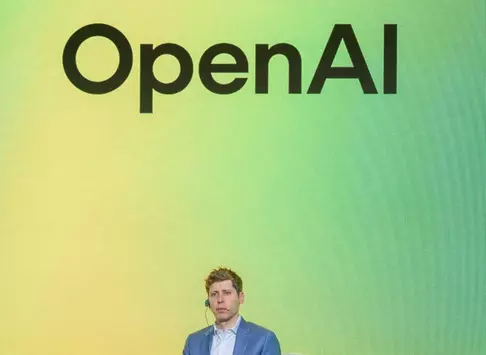
Search interest around the “OpenAI mafia” is surging as former employees launch influential AI startups. The term refers to founders who once worked at OpenAI and are now building the next wave of artificial intelligence companies. Much like the early PayPal network, these alumni are shaping competition, attracting massive funding, and redefining innovation across the AI ecosystem. With billion-dollar valuations and growing investor attention, this network is quickly becoming one of the most influential forces in tech today.
Artificial intelligence has entered a new phase of maturity, driven by breakthroughs in generative models and enterprise adoption. The success of tools like ChatGPT has accelerated the industry’s growth and elevated OpenAI’s influence globally. As the company scales rapidly and explores massive funding deals, more attention is shifting to the talent it helped cultivate.
This attention mirrors earlier Silicon Valley trends where alumni networks drove new innovation waves. Investors and founders are increasingly tracking where top AI engineers and researchers go next. The result is a growing narrative: the real long-term impact of OpenAI may extend far beyond its own products.
The phrase “tech mafia” isn’t new. The original reference dates back to the founders and early employees of PayPal, who later launched or funded some of the biggest companies in modern tech. That group shaped industries like social media, electric vehicles, and venture capital.
Today, many analysts believe OpenAI is creating a similar ripple effect. The difference is scale. Artificial intelligence touches nearly every industry—from healthcare and finance to education and entertainment. That broader reach makes the OpenAI alumni network uniquely powerful compared to previous founder circles.
Some OpenAI-founded startups are already becoming serious competitors to their former employer. One of the most prominent examples is Anthropic, which has positioned itself as a major rival in the race to build safe and scalable AI systems. Backed by significant funding and partnerships, it demonstrates how quickly alumni-led companies can gain traction.
Other ventures are still early-stage but attracting intense investor interest. Some have raised large funding rounds before releasing a product, signaling strong confidence in the founders’ experience. Investors often see OpenAI alumni as high-conviction bets due to their proximity to cutting-edge AI development.
Venture capital firms are increasingly prioritizing founders with deep AI backgrounds. Alumni from OpenAI bring not only technical expertise but also firsthand exposure to building and scaling advanced AI models. That combination makes them highly attractive to investors seeking long-term bets in a rapidly evolving market.
Another key factor is credibility. Founders with OpenAI experience often have a strong network of researchers, engineers, and early adopters. This network effect accelerates hiring, partnerships, and product validation, giving startups a head start compared to traditional early-stage companies.
Beyond startups, former OpenAI leaders are also becoming influential investors and advisors. Some early executives have transitioned into venture capital roles, using their insider knowledge to identify promising AI companies. This creates a flywheel effect where alumni fund other alumni, reinforcing the network’s influence.
This emerging ecosystem mirrors how previous tech waves unfolded. Alumni networks tend to compound power over time, especially when talent and capital circulate within the same community. The OpenAI alumni network appears to be following this exact trajectory.
The growth of the OpenAI mafia signals a shift in how innovation spreads across the tech landscape. Instead of breakthroughs staying within one company, knowledge is diffusing rapidly through spinouts and new ventures. That diffusion is accelerating competition while also expanding the overall AI market.
For startups outside this network, the bar is rising quickly. Competing against founders with elite AI experience and strong funding pipelines will require sharper differentiation. At the same time, the broader ecosystem benefits from faster experimentation and innovation.
Given the pace of hiring and turnover in the AI sector, the OpenAI alumni network is likely far from its peak. As more researchers and product leaders move on to launch their own ventures, the number of alumni-founded startups will continue to rise. Each new spinout strengthens the narrative and expands the network’s reach.
History suggests that founder ecosystems compound over time. If current trends continue, the OpenAI mafia could shape the AI landscape for the next decade. From rival labs to vertical AI platforms, many of tomorrow’s biggest breakthroughs may trace their roots back to one company.
The emergence of the OpenAI mafia marks a defining moment for the AI era. Alumni are not just building companies—they’re building a new innovation cycle that could redefine how technology evolves. With massive funding, elite talent, and growing investor confidence, this network is becoming one of the most important forces in modern tech.
Whether these startups become dominant platforms or niche innovators, one thing is clear: the OpenAI alumni effect is already reshaping the future of artificial intelligence. As new ventures emerge and competition intensifies, the next chapter of AI may be written by those who once helped build its foundation.

2.5K articles

1.4K articles

34 articles

28 articles














Comment