NanoLED TVs Could Redefine Home Entertainment by 2029
Tech enthusiasts often wonder when the next big TV breakthrough will arrive. According to quantum dot pioneer Nanosys, it might be sooner than you think. The company behind the quantum dots that power today’s vivid displays says its self-emissive NanoLED TVs—designed to outshine OLED and microLED—could hit the market by 2029. If the predictions hold, these TVs could revolutionize brightness, color accuracy, and energy efficiency in ways we haven’t seen yet.
Brighter QD-OLEDs Lead the Way This Year
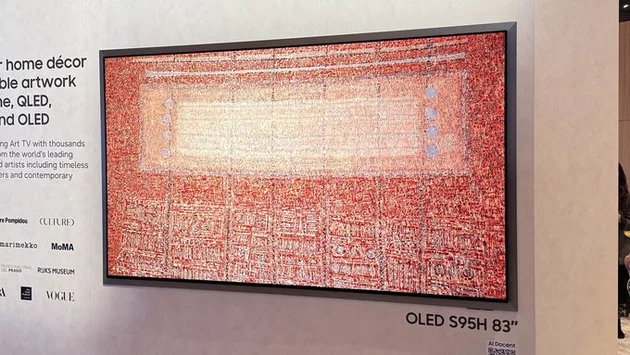
Before NanoLEDs arrive, viewers can expect improved QD-OLED TVs in 2026. Nanosys has upgraded its Quantum Dot Color Converters (QDCC), boosting brightness without sacrificing color quality. Samsung’s S95H, showcased at CES 2026, already demonstrates these improvements, offering up to 35% more brightness than its predecessor, the S95F. These panels hint at the performance leap NanoLED technology promises.
What Makes NanoLED Different from OLED and MicroLED
NanoLED TVs combine the self-emissive benefits of OLED with the color precision of quantum dots, aiming to deliver unmatched brightness. Unlike traditional OLEDs, which struggle with extreme brightness and burn-in, NanoLED panels are built to handle high flux levels safely. MicroLED displays offer similar brightness, but NanoLED could outperform them by using hundreds of thousands—or even millions—of nits, a metric that measures luminous intensity.
Nanosys’s Bold Prediction for 2029
Jeff Yurek from Nanosys shared ambitious plans for NanoLED technology, describing it as “truly ‘high flux.’” While 2029 may seem far off, the pace of quantum dot innovation suggests it’s achievable. These advancements could impact not just living room TVs but also AR displays, where extreme brightness and color fidelity are critical. If NanoLED lives up to the promise, it might become the next major display standard, surpassing OLED and microLED.
Why the Tech World Is Watching Closely
TV enthusiasts and industry insiders are already tracking NanoLED closely because it addresses key limitations of current display technology. Higher brightness, better energy efficiency, and longer lifespan make it appealing for consumers and manufacturers alike. While skeptics remain cautious about ambitious timelines, the combination of quantum dot expertise and demonstrated improvements in QD-OLEDs makes the 2029 goal intriguing.
The Road Ahead for Quantum Dot TVs
The next few years will reveal whether NanoLED can deliver on its promises. As brighter QD-OLEDs enter homes this year, the transition to NanoLED could mark a significant milestone in display technology. Whether it beats OLED and microLED to mainstream adoption remains uncertain, but the potential for stunning visuals and industry-wide impact is undeniable.





Array