Microsoft Unveils Community-First AI Infrastructure Plan
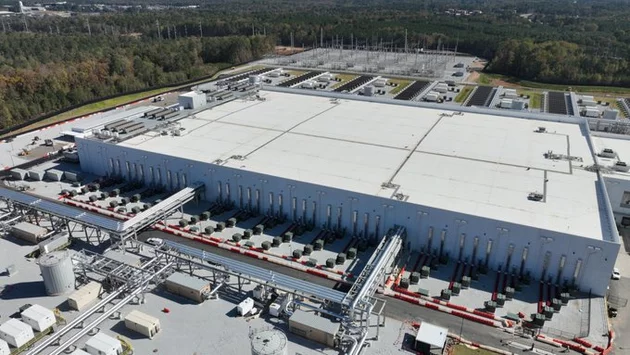
Microsoft is taking a bold step to address concerns over the environmental and local impact of AI data centers. The tech giant introduced its Community-First AI Infrastructure Plan, promising to limit the strain its facilities place on electricity, water, and land. With AI workloads skyrocketing, data centers have become massive consumers of local resources, leaving communities worried about rising costs and resource shortages. Microsoft’s initiative aims to balance AI growth with responsible community engagement.
Brad Smith, Microsoft’s vice chair and president, emphasized that the plan reflects the company’s “sense of civic responsibility” and its commitment to being a “good neighbor” while operating AI infrastructure. He also highlighted the long-term vision required to maintain sustainable growth in the AI sector.
How Microsoft Plans to Offset Energy Demands
A major focus of Microsoft’s plan is electricity. AI data centers require massive amounts of power, sometimes impacting local grids and raising energy costs. To prevent this, Microsoft says it will pay its share for upgrades to electrical infrastructure. Utilities will be asked to set rates that not only cover the energy consumed but also the cost of expanding the grid to handle increased demand. The company has also pledged to fund improvements directly in local communities to reduce strain on residents and businesses.
This approach signals a new model for AI infrastructure, where tech companies actively work to prevent unintended consequences on nearby communities rather than simply absorbing costs themselves.
Addressing Water Use in AI Data Centers
Water is another critical resource for data centers, primarily used for cooling the thousands of high-performance chips that drive AI systems. High water consumption can put a significant strain on local supplies, especially in areas facing drought or water shortages. Microsoft’s plan commits to sustainable water management, including efforts to reduce reliance on municipal water sources and invest in water recycling where feasible.
By taking steps to limit water usage, Microsoft hopes to set an example for other AI operators, demonstrating that rapid tech growth does not have to come at the expense of community resources.
Land Use and Community Engagement
Data centers require substantial land, which can disrupt local ecosystems and limit available space for other uses. Microsoft’s initiative emphasizes thoughtful site selection and long-term planning, prioritizing areas where environmental and social impact is minimized. Beyond infrastructure, the company plans ongoing engagement with local governments and community stakeholders to ensure its presence benefits rather than burdens the area.
This proactive approach aims to create a model where data centers coexist harmoniously with their surroundings, providing economic benefits without exhausting local resources.
Five-Point Strategy for Sustainable AI Growth
Microsoft’s Community-First AI Infrastructure Plan rests on five key pillars:
-
Energy Responsibility: Paying for grid expansion and infrastructure to avoid local electricity cost hikes.
-
Water Stewardship: Reducing water use and investing in sustainable cooling solutions.
-
Land Management: Carefully selecting sites and preserving local ecosystems.
-
Community Collaboration: Engaging with local leaders and stakeholders on planning and operations.
-
Long-Term Planning: Ensuring AI infrastructure growth aligns with sustainable practices.
These measures show Microsoft’s intention to lead the industry in sustainable, community-conscious AI development while addressing criticism over the massive resource consumption of data centers.
Why This Matters for AI and Communities
As AI adoption continues to surge, more companies are building data centers at unprecedented speeds. Microsoft’s plan highlights the growing need for tech giants to consider how AI infrastructure impacts real people in surrounding areas. By implementing a structured, community-first strategy, Microsoft hopes to demonstrate that responsible growth and cutting-edge AI innovation can coexist.
Communities, policymakers, and industry observers will be watching closely to see if Microsoft’s approach can set a new standard for sustainable AI development. For residents near AI data centers, the initiative could mean more predictable energy costs, better water management, and stronger community engagement—without slowing the pace of technological progress.





Array