Meta Smart Glasses Face Growing Backlash
Meta smart glasses are once again under scrutiny — and this time, the concern isn’t about hardware quality but privacy risks. Reports suggesting the company explored adding facial recognition to its smart glasses have sparked widespread anxiety among users and tech critics. While smart glasses promise hands-free convenience and futuristic features, many people worry that Meta’s involvement could undermine trust entirely. For consumers already skeptical of the company’s data practices, the idea of AI-powered recognition embedded in everyday eyewear feels like a tipping point.
The debate isn’t new, but it’s gaining urgency as wearable tech moves closer to the mainstream. Smart glasses are no longer experimental gadgets; they’re rapidly becoming practical tools for communication, photography, and augmented reality. Yet the question remains: can people embrace this technology if they don’t trust the company behind it?
Facial Recognition Concerns Put Meta Under the Spotlight
A report from The New York Times revealed that Meta had internally considered launching facial recognition features during a politically charged period. The implication that such a rollout might happen when public attention is divided has raised ethical red flags. Privacy advocates argue that introducing facial recognition in consumer wearables could normalize surveillance in everyday life.
Facial recognition itself isn’t new, but placing it in subtle devices like smart glasses dramatically changes its impact. Unlike smartphones, glasses are worn continuously and often go unnoticed. This creates a powerful combination: persistent cameras paired with AI identification, all hidden in plain sight.
Why Smart Glasses Feel More Invasive Than Phones
Supporters of wearable tech often point out that smartphones already have cameras everywhere. Surveillance cameras and facial recognition are also widely used in public spaces. However, critics say smart glasses cross a psychological boundary. The key difference lies in visibility and perception.
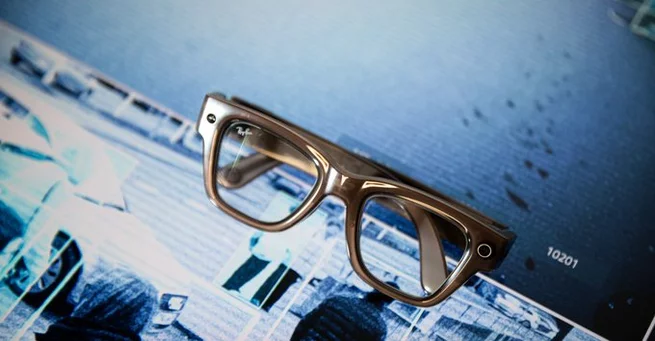
When someone holds a phone up to record, it’s obvious. Smart glasses, on the other hand, are discreet by design. Many models look nearly identical to regular eyewear, making it difficult for others to know when they’re being recorded. Even with privacy indicator lights, the subtlety creates discomfort in social settings, where transparency matters.
This tension explains why smart glasses trigger stronger emotional reactions than other gadgets. The issue isn’t just capability — it’s the feeling of invisible observation.
The Ray-Ban Collaboration Complicates the Debate
Meta’s partnership with Ray-Ban has helped bring smart glasses into the fashion mainstream. Stylish designs and recognizable branding make the devices more appealing to everyday users. Unlike bulky early prototypes, modern smart glasses blend seamlessly into daily life.
That success, however, also amplifies the privacy dilemma. The more normal these devices look, the harder it becomes to distinguish them from ordinary glasses. For critics, this invisibility transforms a design strength into a social risk. Wearables that look ordinary may accelerate adoption — but also amplify distrust.
A Catch-22 for Meta’s Wearable Strategy
Meta faces a paradox: the very qualities that make its smart glasses appealing also fuel backlash. Discreet design, always-on cameras, and seamless AI integration are essential for a good user experience. Yet those same traits make people uneasy about being unknowingly recorded or analyzed.
This creates a strategic dilemma. If Meta tones down features to ease privacy concerns, it risks falling behind competitors pushing innovation. If it doubles down on advanced AI capabilities, it may deepen public skepticism and slow adoption. Striking the right balance will be crucial for the long-term viability of smart glasses.
Trust Issues Continue to Follow Meta
Trust remains the biggest hurdle. Over the years, Meta has faced repeated criticism over data handling and privacy controversies. Even if smart glasses offer genuine utility, lingering doubts about how data is collected and used could overshadow technical achievements.
For many consumers, the equation is simple: impressive hardware cannot outweigh perceived privacy risks. Wearables that constantly observe the world raise higher expectations for transparency and accountability. Without strong safeguards, skepticism may persist regardless of how polished the product becomes.
Smart Glasses and Society
Beyond Meta, the broader smart glasses industry is approaching a defining moment. Wearables are poised to reshape how people interact with technology, blending digital experiences with real-world environments. But widespread adoption depends on public comfort — not just innovation.
If companies fail to address privacy concerns early, smart glasses could face the same resistance that slowed earlier wearable trends. Conversely, transparent policies and clear user controls could help normalize the technology and build trust over time.
This debate highlights a critical truth: the future of wearables isn’t just about features. It’s about social acceptance.
Why the Smart Glasses Debate Isn’t Going Away
The controversy surrounding Meta smart glasses reflects a deeper shift in how people view emerging technologies. Consumers are no longer impressed by innovation alone; they’re asking harder questions about ethics, surveillance, and long-term consequences. Facial recognition rumors may have reignited the debate, but the underlying concerns run much deeper.
As smart glasses inch closer to mainstream adoption, companies will need to prove they can innovate responsibly. Whether Meta can overcome its trust gap remains uncertain, but one thing is clear — the success of smart glasses will depend as much on public confidence as technological breakthroughs.














Comment