Alerts

-
5 minutes, 28 seconds
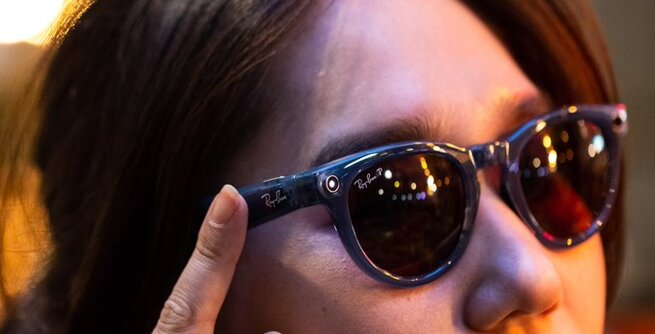
Looking for details about Meta’s new AI glasses with facial recognition and super-sensing technology? Meta is pushing the boundaries of wearable tech, developing advanced smart glasses capable of recognizing faces, tracking daily activities, and offering real-time assistance. According to reports, these next-generation AI glasses, internally codenamed Aperol and Bellini, promise to revolutionize how we interact with the world by blending powerful artificial intelligence with everyday convenience. If you’re curious about Meta’s AI glasses release date, features, or potential privacy concerns, you’re in the right place.
Meta is engineering a groundbreaking feature called "super-sensing" vision, designed to deliver facial recognition capabilities directly through smart glasses. Sources from The Information reveal that Meta is investing heavily in AI-powered wearables that not only identify people by name but also act as personal assistants throughout your day.
Using a simple voice command — “Hey Meta, start live AI” — users can activate the smart glasses to engage their full sensing capabilities. Imagine a device that reminds you to pick up your keys, suggests grabbing groceries on your way home, or notifies you of missed tasks simply by observing your surroundings. This high-level contextual awareness is poised to set a new benchmark for smart devices.
Acknowledging privacy concerns surrounding continuous facial recognition, Meta has reportedly restructured its internal processes for assessing privacy and safety risks. This strategic overhaul allows the company to release innovative products more swiftly while ensuring they meet evolving global data protection standards.
By enhancing transparency and control features, Meta aims to build trust with users concerned about how personal data is collected and used. Given the growing regulatory focus on AI surveillance technologies, ensuring privacy by design could be critical for widespread adoption.
Meta’s upcoming smart glasses aren’t alone in this next-gen push. Rumors suggest that Meta is also developing AI-powered earphones equipped with cameras, designed to run the same super-sensing software. These devices are engineered for longevity, with a strong focus on battery life.
While live AI features are already being tested on current Ray-Ban Meta smart glasses, battery constraints limit usage to just 30 minutes. The new generation aims to extend operational time to several hours on a single charge, addressing one of the biggest limitations of current AI wearables.
High-efficiency batteries, improved sensors, and lightweight materials are all expected in these new products, offering a seamless user experience without compromising on style or comfort.
The integration of real-time facial recognition, object identification, and contextual reminders has the potential to change how people manage daily tasks. Whether it’s for productivity, navigation, social interactions, or health monitoring, the applications for Meta’s AI glasses are vast.
For instance, business professionals could quickly recall contacts during networking events, travelers could receive live translation assistance, and individuals with memory challenges could find invaluable daily support.
These advances also signal opportunities for advertisers and content creators, as location-based services and AI-driven recommendations could offer hyper-personalized experiences, opening new revenue streams for Meta.
Meta has yet to announce an official release date for the Aperol and Bellini smart glasses, but insiders suggest a possible launch sometime next year. As competition in the wearable AI and augmented reality space heats up — with companies like Apple, Google, and Samsung also innovating — Meta’s investment in high-tech smart glasses could offer a major advantage.
If successful, Meta’s AI glasses could become as ubiquitous as smartphones, fundamentally altering how we engage with digital information in the physical world.
Stay tuned as we cover future updates on pricing, availability, features, and user feedback for these groundbreaking devices.










Comment