
-
6 minutes, 17 seconds
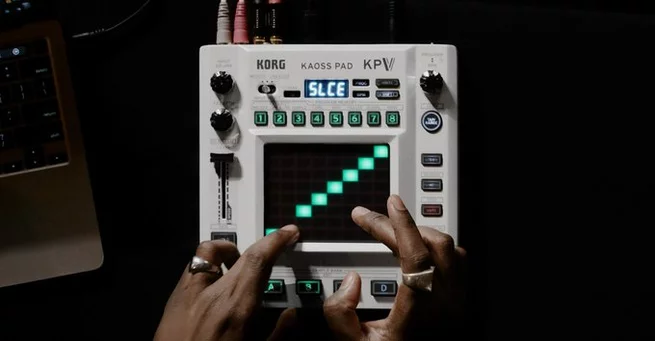
Kaoss Pad V marks the first major evolution of Korg’s iconic touch-based effects unit in more than a decade, answering long-standing questions from musicians and DJs alike. What’s new, how it improves live performance, and whether it justifies its premium price are the main things people want to know. Rather than reinventing the concept, Kaoss Pad V refines what made the series famous while introducing modern capabilities performers have been asking for. The result feels familiar, yet surprisingly fresh. For longtime fans, this release signals that Korg hasn’t forgotten one of its most beloved creative tools.
At its core, Kaoss Pad V remains an expressive effects unit built around an X/Y touchpad that encourages hands-on performance. The design philosophy hasn’t changed, and that’s intentional. Swiping, tapping, and sliding across the pad still delivers immediate sonic feedback, making it easy to shape sound intuitively. Korg focused on responsiveness and accuracy rather than flashy visual changes. This familiarity lowers the learning curve for returning users. At the same time, subtle refinements make the experience smoother and more precise during live use.
The biggest leap forward with Kaoss Pad V is multitouch support. For the first time, the pad can recognize two fingers at once, allowing performers to control two parameters simultaneously. This opens the door to layering effects in real time or manipulating separate sound elements without external controllers. Two distinct effects can even be controlled independently on the same surface. For live performers, this means fewer compromises and more expressive freedom. It’s a simple change on paper that dramatically expands creative potential on stage.
Kaoss Pad V introduces a dedicated voice effects engine, pushing it beyond traditional effects processing. Vocoding and harmonizing are now built directly into the unit, making it easier to integrate vocals into live sets. Singers and electronic musicians can experiment without adding extra hardware. The system even allows vocal input to be converted into MIDI data. This feature enables creative techniques like controlling a synth by humming or triggering rhythms through beatboxing. It’s an unexpected but powerful addition that broadens the Kaoss Pad’s appeal.
Sampling and looping have received meaningful upgrades in Kaoss Pad V. Users can now record loops up to eight bars long, overdub layers, and rearrange samples on the fly. These improvements make the unit more capable as a standalone performance tool. The looping workflow feels designed for experimentation rather than rigid precision. Live performers can build evolving textures without stopping the music. This flexibility makes Kaoss Pad V more than just an effects box, turning it into a creative hub.
One of the most practical upgrades is the addition of a balanced audio input. This allows cleaner signal capture from microphones, synthesizers, and other instruments. For studio and live vocal work, this change makes a noticeable difference in sound quality. The unit still includes unbalanced RCA connections, which remain useful for DJ setups. However, studio-focused users may still wish for more modern connectivity options. Even so, the improved input shows that Korg listened to real-world performance needs.
Despite the long gap between releases, Kaoss Pad V does not arrive at a lower price point. Its cost closely mirrors the previous generation when adjusted for inflation. For some buyers, this may feel disappointing after 13 years of waiting. However, the multitouch capabilities, voice engine, and improved looping help justify the investment. Korg clearly positions Kaoss Pad V as a professional performance instrument rather than an entry-level tool. Whether it feels worth the price will depend on how much value users place on hands-on control.
Kaoss Pad V is not a radical reinvention, but it doesn’t need to be. By enhancing the most beloved aspects of the series and adding modern performance features, Korg delivers a thoughtful update. Multitouch control alone changes how performers interact with effects in real time. The added vocal tools and improved looping make it more versatile than ever. After 13 years, Kaoss Pad V proves that small, well-executed innovations can have a big impact. For live performers seeking expressive control, this long-awaited return feels worth the wait.

2.5K articles

1.4K articles

34 articles

28 articles














Comment