
Alerts
-
4 minutes, 1 second
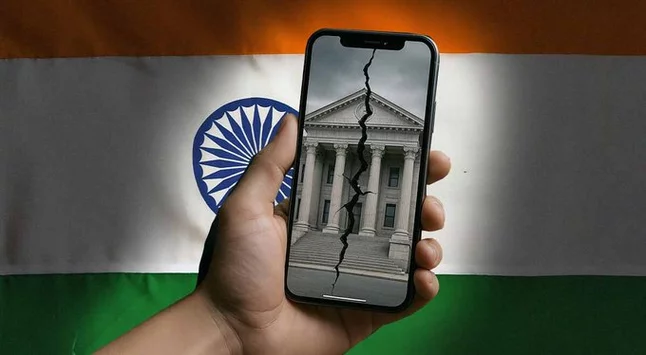
India’s proposal for stricter smartphone security has caught global tech companies off guard. The government is reportedly considering requiring phone makers to share source code and make specific software changes as part of 83 new security standards. Apple, Samsung, Google, and Xiaomi have voiced concerns, saying such rules are unprecedented worldwide and risk exposing proprietary technology. With nearly 750 million smartphones in use, India’s push reflects Prime Minister Narendra Modi’s focus on boosting data protection amid rising cyber threats.
Confidential discussions and documents reviewed by Reuters reveal the tech sector’s unease. Companies argue that mandatory alerts for major software updates and access to source code could compromise intellectual property. Industry insiders describe the proposed measures as “risky” and lacking global precedent. For smartphone giants operating in India, compliance could mean overhauling existing software frameworks, potentially slowing product innovation and rollout timelines.
India’s IT Secretary, S. Krishnan, reassured the industry that legitimate concerns would be addressed openly, emphasizing that it is “premature to read more into it.” A ministry spokesperson declined further comment, citing ongoing consultations. Later, the IT ministry clarified that its talks with tech firms aim to establish “an appropriate and robust regulatory framework for mobile security.” While it denied planning to demand source code, the ministry stopped short of addressing specific industry worries.
Tech firms have clashed with Indian authorities before. Last month, the government dropped an order requiring a state-run cyber safety app on phones amid surveillance concerns. Yet, in other areas, authorities have pressed forward with strict security mandates, such as rigorous testing for security cameras over fears of Chinese espionage. The current smartphone security proposal marks the latest in a continuing tug of war between innovation and regulation.
Meeting 83 security standards would require significant adjustments for phone manufacturers. Tech insiders warn that such requirements could delay updates, restrict certain features, or expose sensitive software to government scrutiny. For companies like Apple and Samsung, balancing compliance with innovation and user trust remains a delicate challenge. Industry groups such as MAIT, representing major firms in India, continue private discussions with regulators to influence the outcome.
As consultations continue, the ultimate scope of India’s security framework remains uncertain. The government seeks to protect user data and prevent online fraud, while tech companies are pushing for rules that preserve innovation and safeguard intellectual property. Analysts predict a phased approach, with potential compromises on alert systems and testing protocols, but a full resolution could take months. Meanwhile, India’s smartphone market watches closely, knowing that regulatory decisions could shape the industry for years to come.










Comment