Hybrid Vehicles Reality: The Plug-In Problem Few Talk About
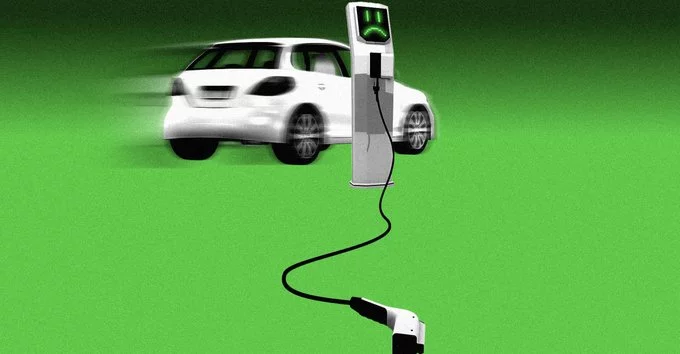
Hybrid vehicles were supposed to bridge the gap between gasoline cars and fully electric transportation. Yet growing evidence reveals an uncomfortable hybrid vehicles reality: many plug-in hybrid owners rarely charge their batteries. When drivers rely mostly on gasoline instead of electricity, the environmental advantages shrink dramatically. Recent studies and industry data now raise an important question for policymakers and car buyers alike—are plug-in hybrids actually delivering the climate benefits they promise?
How Hybrid Vehicles Became a Key Step Toward Electrification
Hybrid technology has a surprisingly long history. One of the earliest examples appeared in 1900 when engineer Ferdinand Porsche created the Semper Vivus, a vehicle that combined combustion engines with electric motors. That experimental design hinted at a future where gasoline and electricity could work together to power vehicles more efficiently.
Fast forward more than a century, and hybrid vehicles have become mainstream. Automakers embraced hybrids as a practical solution during the transition toward fully electric vehicles. Drivers could reduce fuel consumption while avoiding concerns about charging infrastructure or range anxiety. Plug-in hybrids took the idea even further by allowing owners to drive short distances purely on electric power before switching to gasoline for longer trips.
This flexibility helped hybrids gain massive popularity. Sales surged across many markets during 2024 and 2025 as electric vehicle growth slowed. For many drivers, hybrids seemed like the perfect compromise between sustainability and convenience.
Why Plug-In Hybrid Vehicles Are Designed to Be Charged
Plug-in hybrid electric vehicles (PHEVs) differ from traditional hybrids because they have larger batteries. These batteries allow drivers to travel roughly 20 to 60 miles using electricity alone before the gasoline engine activates. For daily commuting, many drivers could theoretically complete most trips without burning fuel.
The environmental promise depends on one crucial behavior: regular charging. Plugging in allows drivers to maximize electric driving and minimize gasoline use. When used correctly, plug-in hybrids can significantly lower emissions and fuel costs. They were designed as a transitional technology that helps reduce carbon output while charging networks continue expanding.
However, that entire system breaks down when drivers simply skip charging.
Research Reveals Many Hybrid Vehicles Rarely Use Electricity
New research into real-world driving habits highlights a major challenge. Many plug-in hybrid owners do not charge their vehicles consistently. Instead, they rely heavily on gasoline power even though the vehicle includes a large battery.
Data from fleet vehicle monitoring shows that some plug-in hybrid fleets depend on gasoline for the vast majority of their energy usage. In some cases, drivers used fuel for more than 80 percent of total energy consumption. That pattern suggests batteries are often underused or ignored entirely.
When plug-in hybrids operate mostly on gasoline, they behave much like heavier conventional cars. The added battery weight can even reduce fuel efficiency compared to a regular gas vehicle. As a result, the expected climate advantages may disappear.
Why Drivers Aren’t Plugging In Their Hybrid Vehicles
Several factors explain why plug-in hybrid charging rates remain low. Convenience plays a major role. Some drivers simply forget to plug in their vehicles overnight, especially if charging requires extra effort such as using a public charger or running cables in shared parking areas.
Workplace fleets face similar challenges. Employees driving company vehicles may prioritize convenience over efficiency, relying on gasoline rather than planning charging stops. Without incentives or clear policies encouraging charging, the electric capability goes unused.
Another issue involves consumer perception. Some buyers choose plug-in hybrids mainly for tax incentives or fuel economy ratings rather than intending to drive electrically. Without consistent charging habits, those benefits become largely theoretical.
The Future of Hybrid Vehicles in a Changing Market
The hybrid vehicles reality is forcing automakers and policymakers to rethink their strategies. Some manufacturers are shifting focus toward extended-range electric vehicles, which operate primarily as electric cars while using small engines to recharge batteries when necessary.
Others continue investing in hybrids but emphasize better driver education and smarter charging systems. Improved home charging solutions and software reminders could encourage owners to plug in more frequently. Policymakers may also reconsider incentives to ensure vehicles deliver real environmental gains.
Hybrid technology still holds enormous potential. Yet the promise depends less on engineering and more on human behavior. Drivers who consistently plug in their vehicles unlock the emissions savings hybrids were designed to deliver. Without that simple habit, the environmental bridge between gasoline and electric transportation becomes far weaker than expected.














Comment