
-
4 minutes, 56 seconds
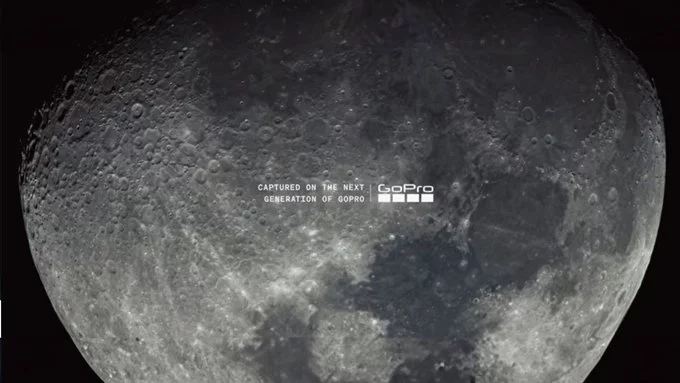
GoPro cinematic camera rumors are heating up after a mysterious teaser revealed stunning, film-like footage unlike anything the brand has shown before. If you’re wondering whether GoPro is launching a cinema-grade camera, all signs point to yes. The teaser highlights dramatic visuals—moon close-ups, slow-motion flames, and macro nature shots—suggesting a bold move beyond action cameras. With a new processor already confirmed, this could mark GoPro’s biggest transformation yet.
The teaser video released by GoPro stands out for one key reason: it lacks traditional action footage. No helmet cams, no extreme sports, and no rugged environments dominate the visuals. Instead, viewers are treated to carefully composed cinematic scenes that feel more like a film production than an action montage.
Shots of a human eye, glowing embers, and detailed lunar imagery suggest advanced sensor capabilities and improved optics. These elements typically require high dynamic range and excellent low-light performance—areas where action cameras have historically struggled. This shift strongly hints that GoPro is entering a new product category altogether.
Earlier this month, GoPro introduced its new GP3 processor, its first major chip upgrade in years. This processor is expected to significantly boost image quality, frame rates, and low-light performance across upcoming devices. More importantly, it signals the company’s ambition to expand beyond its core lineup.
According to the announcement, the GP3 chip will support not only action and 360 cameras but also compact cinema-grade devices. This aligns perfectly with the teaser’s cinematic visuals, reinforcing speculation that a professional-level camera could arrive sooner than expected. If true, this would position GoPro in direct competition with brands like DJI and Insta360, both of which have been pushing into higher-end video markets.
For years, GoPro has dominated the action camera space with devices designed for durability and portability. However, content creation trends have evolved. Creators now demand more cinematic quality, better color science, and superior low-light performance—all in compact form factors.
This potential shift could redefine how creators use GoPro products. Instead of being limited to action shots, users could rely on GoPro for storytelling, filmmaking, and professional video production. That opens up a much larger market and gives the company a chance to compete in premium segments traditionally owned by mirrorless and cinema camera brands.
The timing of this teaser is particularly interesting. Competitors like DJI and Insta360 have been expanding aggressively, introducing advanced stabilization, AI features, and higher resolutions in their cameras. A cinematic GoPro device could disrupt that momentum.
If GoPro delivers on its promise of “professional-level image quality,” it could challenge not only action camera rivals but also compact cinema solutions. That would make the upcoming launch one of the most significant camera announcements of 2026.
GoPro has already hinted that its next-generation products will arrive in Q2 2026. That puts the potential launch window just weeks away. While the company hasn’t officially confirmed the exact product, the teaser leaves little doubt that something big is coming.
For now, the mystery continues to build anticipation. Whether it’s a dedicated cinema camera or a hybrid device, one thing is clear: GoPro is preparing to redefine its identity. And if the teaser is anything to go by, the next chapter could be its most exciting yet.

2.6K articles

1.4K articles

34 articles

28 articles














Comment