Google CEO Sundar Pichai Set for Massive $692M Payday
Google CEO Sundar Pichai could see his total compensation soar to $692 million over the next three years, according to a recent SEC filing. While his base salary remains at a modest $2 million—unchanged since 2020—this new pay package relies heavily on performance and time-based equity awards. For tech and finance watchers, this move highlights just how lucrative executive pay packages can become when stock performance and long-term incentives are factored in.
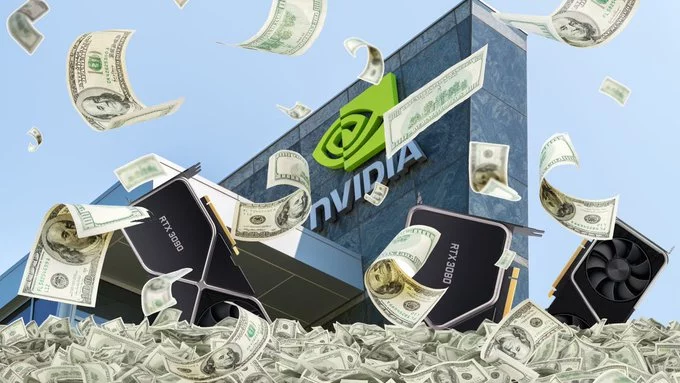
Nvidia’s CEO, Jensen Huang, also received attention for a $4 million bonus, reflecting the company's strong financial results. Together, these announcements underscore how top tech executives benefit from equity and market-driven incentives far beyond traditional salaries.
Performance-Based Equity Drives Pichai’s Pay Hike
The SEC filing reveals that Pichai’s new compensation is largely tied to Alphabet’s stock performance. Unlike his base salary, which has remained fixed, the three-year equity award allows him to earn substantially more if the company meets ambitious growth and performance metrics.
This type of pay structure is becoming increasingly common among tech giants, where equity awards often dwarf traditional salaries. Shareholders often debate whether such large payouts align with long-term company performance, yet these packages remain key tools for retaining top talent in highly competitive markets.
Nvidia CEO Jensen Huang’s Bonus Reflects Strong Growth
Meanwhile, Nvidia CEO Jensen Huang has received a $4 million bonus, attributed to the company’s strong financial year. Nvidia’s share price growth, fueled by high demand for GPUs and AI-related technologies, has helped boost executive pay across the board.
While smaller than Pichai’s potential windfall, Huang’s bonus reflects a similar trend: performance-based compensation tied to market success. Investors often see this as a reward for leadership that directly contributes to revenue and shareholder value.
Tech Giants’ Strong Share Performance Underpins Pay Packages
Both Alphabet and Nvidia have experienced impressive gains in their stock prices over recent years, making performance-based incentives extremely valuable. For Pichai, the bulk of his $692 million package depends on stock growth, meaning the payout aligns with company success.
This approach is designed to motivate executives to prioritize long-term performance rather than short-term gains. For employees and investors, it also signals confidence in the leadership team’s ability to navigate market challenges and drive continued growth.
Executive Compensation Sparks Industry Debate
Pichai’s and Huang’s pay highlights a broader conversation about executive compensation in the tech sector. Critics argue such packages are excessive, while proponents claim they reward leadership that drives innovation and financial results.
Equity-heavy pay packages create a direct link between company performance and personal reward, encouraging executives to focus on sustainable growth. For industry observers, these announcements serve as a benchmark for what top tech leadership can earn in today’s competitive landscape.
Google’s and Nvidia’s latest compensation disclosures shine a spotlight on how top tech executives are rewarded, combining modest salaries with massive equity incentives that reflect both individual performance and company success.








Comment