Google AI Now Creates Phone-Like Photos
Google’s latest AI model, Nano Banana Pro, is turning heads with its uncanny ability to mimic real phone photos. Users scrolling through social media might not realize these images are AI-generated, as they capture the quirks and imperfections of everyday photography. Unlike earlier AI models, which often produced overly perfect and artificial results, Nano Banana Pro adds small flaws that make its creations feel authentic. For anyone curious about how realistic AI-generated images can be, this new model is a game-changer.
Why Nano Banana Pro Looks So Real
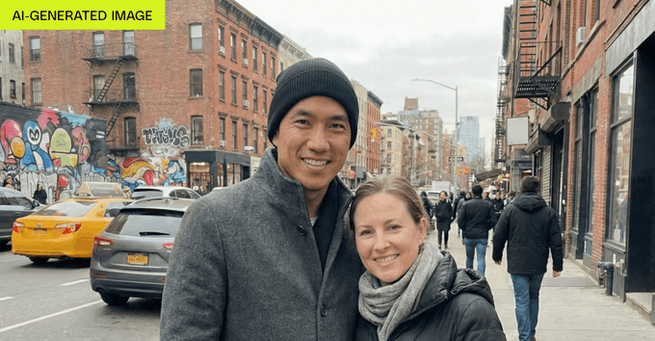
The secret behind Nano Banana Pro’s realism is its phone-camera-like rendering. Bright exposure, natural depth of field, and slightly crunchy details create an imperfect charm that tricks the eye. Images of people, city streets, or even scenic ferries have subtle inconsistencies that mirror real photography, making them more believable. Experts note that these small imperfections—like slightly off building facades or unusual lighting—actually enhance the image’s authenticity.
Experts Praise AI’s Photographic Accuracy
Ben Sandofsky, cofounder of the iPhone camera app Halide, highlighted the AI’s approach to sharpening and detail. The model replicates the “aggressive image sharpening” typical of smartphone cameras, producing a familiar look. These nuances mean AI images now pass casual inspection, making them convincing enough to blend seamlessly with real photos online.
From Imperfect Flaws to Realistic Appeal
Nano Banana Pro’s imperfect approach is deliberate. Earlier AI models struggled because they produced images that were “too perfect,” which immediately signaled artificiality. By introducing slight anomalies—like background blockiness or exaggerated natural features—the AI creates visuals that feel genuinely captured, not generated. This subtle approach is what sets it apart from previous AI attempts.
Everyday Scenes Made AI-Realistic
From city sidewalks to ferry rides, Nano Banana Pro can mimic common photography scenes with remarkable accuracy. Even dramatic settings, like towering mountains or bustling streets, are rendered with realistic lighting and texture. For casual viewers scrolling on social media, the AI’s output could easily pass for authentic photography, blurring the line between real and artificial imagery.
Implications for Social Media and Photography
The rise of AI models like Nano Banana Pro raises questions about trust in digital imagery. While photographers may appreciate the AI’s skill, the ability to convincingly spoof everyday photos could have broad implications for social media, advertising, and online content verification. As AI becomes more sophisticated, distinguishing between real and AI-generated photos may require closer scrutiny.
A Step Forward in Visual AI
Google’s Nano Banana Pro demonstrates how AI can evolve beyond simple image generation into highly realistic visual content. By mastering the subtleties of smartphone photography, the AI produces images that are both familiar and convincingly human-like. For tech enthusiasts and everyday users alike, it represents a major step forward in visual AI realism.




Comments