Galaxy S26 privacy display leak: What the new ad reveals
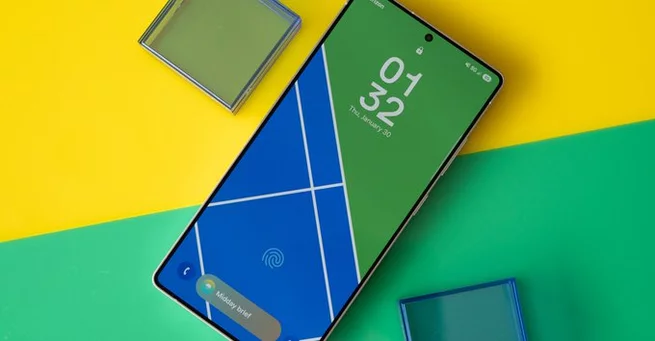
Curious about the rumored Galaxy S26 privacy display and whether Samsung is finally building a true anti-peeping screen? A newly released ad strongly suggests the answer is yes. The teaser hints at a built-in privacy mode that blacks out content from side angles, potentially solving a long-standing smartphone concern: shoulder surfing. Early leaks suggest the feature goes beyond traditional privacy filters by combining advanced OLED tech with AI-driven controls.
Samsung teases built-in privacy protection
The latest teaser from Samsung showcases a woman reading sensitive content in public before activating a “zero-peeking privacy” toggle. With a simple swipe, nearby viewers can no longer see what’s on the display. The implication is clear: Samsung wants to make privacy a headline feature for its next flagship.
While ads often exaggerate capabilities, this one aligns with months of credible leaks. If accurate, the Galaxy S26 could become the first mainstream smartphone to integrate hardware-level viewing angle control. That would mark a major shift from software-only privacy tools currently found on most phones.
How the Galaxy S26 privacy display may work
Reports suggest the new feature relies on a next-gen OLED panel developed by Samsung Display. The technology allegedly allows pixel-level viewing angle control, meaning specific parts of the screen can be hidden while others remain visible.
This is significantly more advanced than traditional privacy filters. Physical filters darken the entire screen from side angles, which often reduces brightness and color accuracy. Samsung’s rumored approach could dynamically isolate sensitive content—like banking apps or private messages—without compromising the rest of the display.
Such precision could also improve usability. Users may be able to toggle privacy mode for individual apps rather than the entire screen. That level of customization would make the feature far more practical for everyday use.
AI could make privacy automatic
Another key detail from leaks is the possible integration of AI. Instead of manually activating privacy mode, the Galaxy S26 may automatically detect when sensitive content is displayed. Financial apps, password fields, and notifications could be shielded instantly without user intervention.
AI-driven privacy isn’t new, but embedding it directly into display hardware would be a major evolution. It could also reduce friction for users who want protection without constantly toggling settings. That combination of automation and hardware-level privacy could set a new benchmark in smartphone security.
Leak videos add credibility
A short video shared by well-known leaker Ice Universe appears to show the feature in action. In the clip, the display looks normal when viewed head-on but fades or blacks out from side angles. While leaks should always be treated cautiously, this one aligns closely with Samsung’s own promotional messaging.
Consistency between ads and leaks often indicates a feature is close to launch-ready. That makes it more likely the privacy display will debut as a core selling point rather than an experimental feature.
Why privacy displays matter now
Smartphone privacy concerns have grown significantly in recent years. People frequently access sensitive information in public spaces—transport, cafes, and offices. Shoulder surfing remains a simple but effective way for bad actors to gather personal data.
A built-in privacy display could address that issue without requiring additional accessories. Unlike removable screen protectors, a hardware-based solution would offer consistent performance and better durability. It could also improve adoption since users wouldn’t need to install anything extra.
This shift reflects a broader industry trend: embedding privacy directly into hardware. Just as fingerprint sensors and facial recognition became standard, display-based privacy could soon follow a similar trajectory.
How this compares to existing solutions
Current privacy screens are typically physical overlays that limit viewing angles. While effective, they come with trade-offs like reduced brightness and awkward installation. Some laptops offer built-in privacy modes, but smartphones have lagged behind in this area.
If Samsung delivers pixel-level privacy, it would leapfrog existing solutions. Instead of a one-size-fits-all filter, users could enjoy targeted protection with minimal visual compromise. That kind of refinement could push competitors to accelerate their own display innovations.
What to expect at launch
Samsung has already confirmed that its next launch event is scheduled for late February. If rumors hold true, the Galaxy S26 lineup will likely headline the event, with the privacy display as a standout feature.
More details should emerge during the official unveiling, including whether the feature will be limited to premium models or available across the lineup. Pricing and regional availability will also determine how quickly the innovation reaches mainstream users.
A feature that could redefine smartphone privacy
The Galaxy S26 privacy display could represent one of the most meaningful smartphone upgrades in years. While cameras and processors dominate headlines, real-world usability features often have longer-lasting impact. Privacy, in particular, resonates with both everyday users and enterprise customers.
If Samsung successfully delivers a seamless, AI-powered privacy display, it could redefine expectations for smartphone security. The move would also reinforce Samsung’s reputation as a display innovation leader.
With the launch just around the corner, all eyes are on whether the Galaxy S26 will live up to the hype. If the leaks are accurate, the era of built-in smartphone privacy screens may finally be here.













Comment