

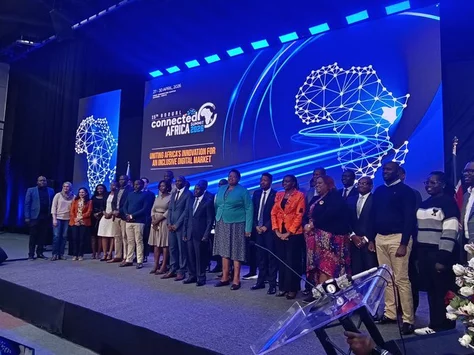
Connected Africa Summit 2026 Returns With Bold Digital Vision
Connected Africa Summit 2026 is set to take place in Nairobi from April 27–30, bringing together policymakers, innovators, and tech leaders chasing one big idea: a single digital market for Africa. The summit promises collaboration, investment, and policy breakthroughs—but it also raises real concerns about sovereignty, control, and digital economics. With more than 1,500 delegates expected, the conversation is shifting from aspiration to execution. Africa’s digital unity has long been discussed, but this year’s summit may reveal whether integration is finally achievable.
A Bigger, More Urgent Conversation
Organizers of the Connected Africa Summit say 2026 marks a turning point. Earlier editions focused on expanding connectivity and internet access across the continent. Today, the discussion has evolved into something deeper: building digital infrastructure that works across borders.
This shift reflects growing urgency. African nations are rapidly digitizing services, economies, and governance models. Yet without interoperability, many digital initiatives remain isolated. Leaders are now asking tougher questions about how platforms, data systems, and policies can function seamlessly across nations without eroding national control.
The Single Digital Market Dream
At the heart of the summit lies a bold theme: uniting Africa’s innovation into one digital ecosystem. The idea isn’t new. The African Union introduced the Digital Transformation Strategy for Africa 2020–2030 to guide this vision. The framework outlines plans for infrastructure, digital identity systems, cybersecurity standards, and cross-border data governance.
Another key piece is the African Continental Free Trade Area (AfCFTA), which includes a Digital Trade Protocol designed to simplify online commerce across borders. On paper, the groundwork for integration exists. The challenge now lies in translating policy frameworks into real-world implementation.
From Connectivity to Architecture
Past conversations about Africa’s digital future centered on access—more broadband, cheaper data, and expanded connectivity. That phase, while ongoing, is no longer the main focus. The summit’s 2026 agenda shifts toward digital architecture: building systems that talk to each other.
This includes interoperability between digital IDs, payment platforms, and regulatory frameworks. Without shared standards, cross-border services become slow, expensive, or insecure. Delegates are expected to explore practical solutions, including shared infrastructure models and harmonized regulations that enable smoother regional digital trade.
Why Governments Are Still Cautious
Despite the excitement, the road to a unified digital market remains complicated. Each participating government arrives with its own concerns about data sovereignty, taxation, and regulatory authority. Digital integration often requires compromise—something policymakers don’t take lightly.
Data governance is a particularly sensitive issue. Nations are increasingly protective of citizens’ data and wary of external control. Some governments also fear losing revenue streams tied to local licensing and digital taxes. These anxieties could shape negotiations behind closed doors, even as public messaging emphasizes unity.
The Economic Stakes Are Rising
Digital integration could unlock enormous economic potential. Analysts estimate that seamless digital trade across Africa could significantly boost GDP growth, startup scalability, and cross-border investment. For startups, especially, interoperability could mean immediate access to larger markets without navigating fragmented regulations.
Large enterprises also stand to benefit. Unified standards could reduce operational friction, enabling companies to scale services across multiple countries more efficiently. For consumers, the promise is simpler digital payments, stronger online protections, and better access to cross-border services.
Why Nairobi Is the Chosen Stage
Hosting the summit in Nairobi reinforces Kenya’s role as a regional tech hub. The city has built a reputation as a center for innovation, fintech growth, and policy experimentation. By bringing continental leaders together locally, the summit positions East Africa as a key player in shaping Africa’s digital future.
The venue, the Edge Convention Centre, symbolizes modern ambition. Designed for high-level international events, it reflects the scale and seriousness of the conversations expected. The setting underscores a broader message: Africa’s digital ambitions are no longer theoretical—they are operational priorities.
From Promises to Proof
One of the biggest questions surrounding Connected Africa Summit 2026 is whether it will deliver tangible outcomes. Previous gatherings generated powerful declarations but fewer measurable milestones. This year’s stakeholders are under pressure to show progress, not just intent.
Observers will be watching for concrete deliverables—joint policy announcements, cross-border pilot programs, or new regional partnerships. Even small breakthroughs could signal momentum. Conversely, vague commitments may reinforce skepticism about Africa’s ability to align on complex digital issues.
The Balance Between Unity and Control
Digital integration inevitably raises philosophical questions about power and autonomy. A unified market requires shared standards, but those standards must respect national sovereignty. Striking this balance will likely define the summit’s tone.
Some experts argue that Africa’s diversity makes a single digital model unrealistic. Others believe that flexible frameworks—not rigid systems—could allow countries to collaborate without sacrificing independence. The summit’s outcomes may reveal which direction the continent is leaning toward.
A Defining Moment for Africa’s Digital Future
Connected Africa Summit 2026 arrives at a pivotal moment. Africa is no longer debating whether digital transformation matters—it’s deciding how far integration should go. The summit offers a rare chance for policymakers, innovators, and investors to align on a shared vision.
Whether it produces real breakthroughs or simply sharper questions, the event will shape the narrative around Africa’s digital unity for years to come. Optimism is high, but so is scrutiny. As delegates gather in Nairobi, the continent stands at a crossroads between ambition and execution—where bold ideas must finally prove they can work in the real world.


Array