Alerts

-
5 minutes, 33 seconds
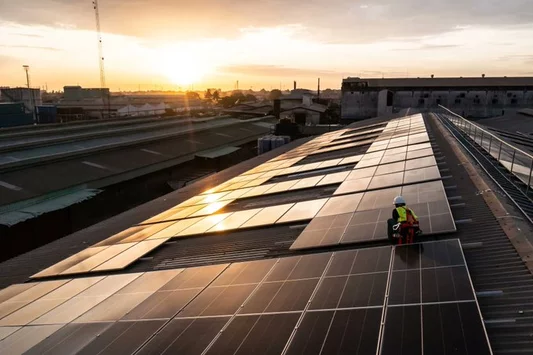
Nigeria’s tech scene is often associated with flashy apps and fintech unicorns, but the next big exits may look far less glamorous. Instead of neobanks or social platforms, investors might find massive returns in solar-powered freezers, modular batteries, and reliable cold-chain systems. These technologies address real problems—diesel dependency, power outages, and food spoilage—making them essential infrastructure rather than just “impact” projects.
For entrepreneurs and investors asking where the next opportunity lies, the answer is clear: it’s in solutions that keep businesses, clinics, and homes running even when the lights go out.
Anyone familiar with Nigeria knows that the country’s true energy regulator isn’t the Central Bank—it’s NEPA, local fuel prices, and the availability of diesel. Small businesses, rural markets, and clinics survive daily on generators, treating each power outage as a costly disruption.
The Nigerian generator market alone is projected to hit $806.8 million by 2030, reflecting growing demand for backup power. Every fuel price spike forces shop owners and service providers to make harsh choices: pay more to stay open or shut down and lose revenue. This persistent challenge creates a massive market for technologies that can quietly replace generators while reducing costs and pollution.
Enter solar-powered refrigeration. Startups in Nigeria and across Africa are turning cold storage into core infrastructure, not just a development project add-on. Companies like Koolboks, ColdHubs, and SolarFreeze are deploying thousands of solar freezers and cold rooms that protect food and vaccines from spoilage during blackouts.
By combining local assembly with scalable technology, these cold-chain innovators give off-grid communities the ability to store perishable goods reliably. For a small shop or rural clinic, this can mean the difference between lost revenue—or compromised vaccines—and consistent service. Investors are starting to see that these “boring” solutions are quietly building the backbone of Africa’s next tech revolution.
Alongside cold chains, modular battery and storage systems are tackling Nigeria’s power problems head-on. These systems use lithium batteries, inverters, and smart software to provide consistent backup power. Many integrate seamlessly with solar setups today and could eventually connect directly to the grid, turning unreliable electricity into a 24-hour supply.
Every battery box delivered to homes or businesses acts as a silent generator replacement—no fumes, no noise, no emergency fuel runs. Startups are experimenting with financing models and customer segments, proving that even heavy infrastructure can scale efficiently when combined with smart technology.
Despite their potential, climate infrastructure businesses are still often labeled “impact stories” rather than core tech plays. Traditional African tech investment favors asset-light software and fintech models that scale fast and generate immediate transaction fees. By contrast, climate solutions are hardware-heavy, logistics-intensive, and require blended financing.
This mismatch has caused many investors to overlook the sector, undervaluing the economics of businesses that could eventually rival fintech unicorns. Those who recognize the strategic value of cold chains, solar freezers, and modular batteries may be the ones capturing Africa’s next big tech exits.
Nigeria’s climate infrastructure startups are quietly proving that the future of African tech isn’t just digital—it’s physical, practical, and essential. Solar-powered refrigeration, modular battery systems, and cold-chain networks address problems that have existed for decades, yet they have only now become scalable, investable businesses.
For investors willing to look beyond flashy apps, these solutions represent a high-impact opportunity: infrastructure that powers economic growth, protects livelihoods, and cuts dependence on diesel. The next big tech exits in Nigeria may not make headlines with viral downloads—they may hum quietly in cold rooms and battery banks, powering a more resilient future.










Comment