
-
5 minutes, 6 seconds
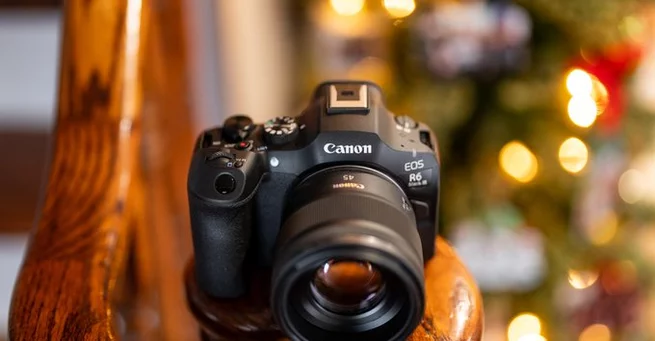
Canon’s EOS R6 Mark III launch answered familiar questions about upgrades, video specs, and autofocus improvements within days of its reveal. Buyers want to know if the camera is worth upgrading to, how it compares to the R6 Mark II, and whether Canon finally delivered something surprising. While the camera itself offers meaningful refinements like higher resolution and 7K open-gate video, the real conversation starter arrived alongside it. Canon RF 45mm f/1.2 instantly became the most searched accessory tied to the launch. For many photographers and videographers, the lens—not the body—defines the excitement. That shift matters in a market saturated with incremental camera updates. This release signals a strategic pivot that feels unusually bold for Canon.
Canon EOS R6 Mark III builds on an already trusted platform rather than reinventing it. The familiar body design, strong ergonomics, and dependable controls make it easy for existing Canon shooters to transition. Improvements in autofocus accuracy and subject tracking reinforce its position as a hybrid workhorse. Wildlife, weddings, events, and video creators all benefit from its balanced feature set. The jump to 7K open-gate video gives filmmakers more flexibility in post-production. However, the price increase makes value-conscious buyers pause. That hesitation becomes important when a standout lens enters the picture.
Canon RF 45mm f/1.2 is unusual because it breaks an unspoken pricing rule. An f/1.2 aperture typically signals premium glass costing well over a thousand dollars. Canon defies that expectation with a sub-$500 price tag. At $469.99, it undercuts not only Canon’s own RF 50mm f/1.2 L but nearly every comparable fast prime on the market. Traditionally, lenses this affordable rely on manual focus or third-party compromises. Canon delivering autofocus and native RF compatibility at this price feels disruptive. It reframes what photographers expect from “entry-level” glass.
Canon’s decision to restrict third-party full-frame RF lenses has often frustrated users. Limited competition has kept prices high across the lineup. Ironically, that same closed ecosystem amplifies the impact of the RF 45mm f/1.2. With few alternatives, this lens fills a gap many assumed Canon would ignore. It offers shallow depth of field, strong low-light performance, and a practical focal length. For portrait, street, and everyday shooting, 45mm hits a sweet spot. The lens feels intentionally designed to soften criticism of Canon’s mount strategy.
Fast-aperture lenses remain essential tools for creative control. Canon RF 45mm f/1.2 delivers the visual character shooters crave without demanding professional-level budgets. The wide aperture creates smooth background separation and cinematic light falloff. Videographers benefit from low-light flexibility and natural perspective. Pairing it with the EOS R6 Mark III produces a lightweight yet capable hybrid setup. This balance of affordability and performance broadens Canon’s appeal. It invites newer creators into a system often viewed as expensive.
Canon RF 45mm f/1.2 feels less like a one-off experiment and more like a statement. It suggests Canon recognizes growing pressure from competitors offering aggressive value. If more lenses follow this model, Canon’s RF ecosystem could shift dramatically. Affordable fast primes encourage system loyalty and long-term upgrades. They also reignite enthusiasm among seasoned shooters who felt priced out. This lens proves innovation doesn’t always mean more megapixels or higher frame rates. Sometimes, it means redefining what great glass should cost.

2.5K articles

1.4K articles

34 articles

28 articles














Comment