AMD CES 2026 Reveals a Different Story Than the Headlines Suggest
AMD CES 2026 reveals may have disappointed many PC gamers at first glance, but a closer look shows something far more interesting. People searching for “Did AMD announce new GPUs at CES 2026?” or “Why was AMD focused on AI at CES?” are not wrong to feel underwhelmed. No new desktop graphics cards appeared, and handheld gaming fans heard very little. Still, beneath the surface, AMD quietly signaled two strategic decisions that could shape future laptops, handheld PCs, and pricing battles across the industry.
Rather than flashy launches, AMD used CES 2026 to reposition itself. These moves were easy to miss, but they hint at a longer-term plan that goes beyond one product cycle.
CES 2026 Was Quiet for Gamers, and AMD Didn’t Fight That Perception
CES 2026 did not feel like a gamer-first event. Across the show floor, new controllers and accessories appeared, but core PC gaming hardware was largely absent. AMD followed that trend, devoting most of its public messaging to artificial intelligence and enterprise-focused computing.
For many enthusiasts, this reinforced the idea that gamers were not the priority this year. AMD’s consumer announcements leaned heavily on refreshed versions of existing chips rather than brand-new designs. Even the most gaming-focused desktop processor revealed felt more like a refinement than a leap forward.
That silence, however, was not accidental. AMD appeared to be choosing restraint over spectacle, possibly to avoid overpromising in a market that is still stabilizing after years of rapid hardware cycles.
AMD CES 2026 Reveals a Return to Socketed Mobile Chips
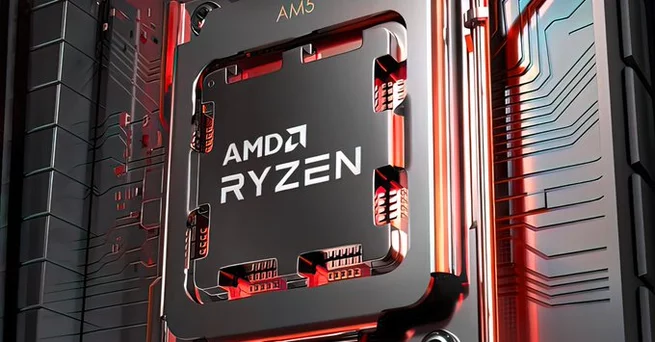
One of the most intriguing AMD CES 2026 reveals was subtle but meaningful: a return to socketed mobile processors. For years, laptop CPUs have been increasingly soldered, limiting upgrades and repairs. AMD signaling a renewed interest in socketed designs suggests a shift toward flexibility.
This matters for more than just tinkerers. Socketed mobile chips could allow manufacturers to build modular systems that last longer and adapt to different performance needs. It also opens the door for easier servicing and potentially lower long-term costs for users.
While AMD did not present a full roadmap, even acknowledging this direction sends a message. It suggests the company is listening to frustrations about sealed laptops and limited customization, especially in premium and enthusiast-focused devices.
Pricing Strategy Takes Center Stage With Strix Halo
The second major AMD CES 2026 reveal centered on pricing rather than raw performance. Instead of positioning its high-end Strix Halo silicon as an ultra-premium option, AMD hinted at more aggressive pricing to compete directly with rival offerings.
This approach reframes the conversation. Rather than winning purely on benchmarks, AMD appears ready to win on value at the top end. Lowering the cost of powerful silicon could make advanced laptops and compact PCs more accessible to a wider audience.
For system builders and device makers, this is significant. More affordable high-performance chips make it easier to experiment with new form factors, including thin gaming laptops and powerful handheld-style PCs.
No New Handheld Chip, but a Strategic Pause
One noticeable absence from AMD CES 2026 reveals was a new processor designed specifically for handheld gaming PCs. With the market growing rapidly, many expected a successor to previous handheld-focused chips.
Instead, AMD chose not to rush an announcement. This could signal confidence that its current offerings remain competitive, or it could indicate that a more substantial update is in development. Either way, the lack of news does not necessarily mean a lack of commitment.
Sometimes, silence is strategic. By holding back, AMD avoids fragmenting the market and gives partners time to fully exploit existing hardware designs.
Why These Quiet AMD CES 2026 Reveals Matter Long Term
Taken together, these two understated decisions paint a clearer picture of AMD’s priorities. The company seems focused on sustainability, flexibility, and pricing discipline rather than headline-grabbing launches.
A return to socketed mobile chips suggests longer device lifespans and more consumer-friendly designs. Competitive pricing on high-end silicon challenges rivals without forcing users to pay a premium just for performance bragging rights.
For gamers and PC enthusiasts, this may not deliver instant excitement. But over time, these choices could lead to better value systems, more upgrade options, and broader innovation across laptops and compact PCs.
Looking Past the Noise at CES 2026
AMD CES 2026 reveals did not dominate social media feeds, and they did not deliver instant gratification. What they did offer was a glimpse into a more calculated strategy. AMD appears willing to let others chase attention while it quietly adjusts the foundation of its product lineup.
For readers willing to look beyond missing GPUs and flashy demos, these signals are encouraging. They suggest AMD is playing a longer game, one that could pay off in more meaningful ways over the next few years.








Comment