

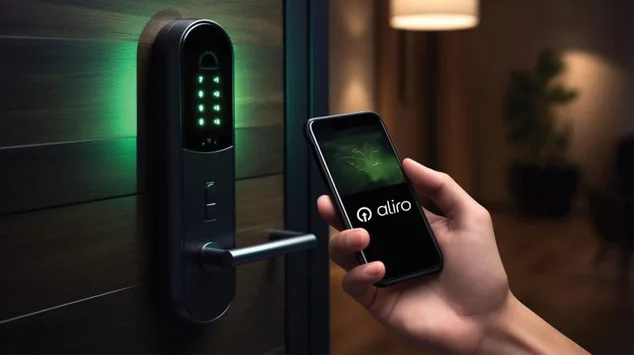
Smart locks are about to become far simpler to use thanks to the newly released Aliro 1.0 smart lock standard. Designed to eliminate compatibility issues, Aliro allows smart locks to work across smartphones, wearables, and digital wallets without requiring dedicated apps. Backed by major tech players, this new standard aims to unify how people unlock homes, offices, and hotels using mobile devices.
Aliro 1.0 Smart Lock Standard Officially Launches
The Connectivity Standards Alliance has officially released the Aliro 1.0 specification, marking a major milestone for the smart home industry. Aliro introduces a unified framework designed to ensure that smart locks work consistently across different platforms and devices. Until now, many users faced compatibility problems that required specific apps or ecosystems.
Aliro seeks to fix that fragmentation by allowing interoperability between mobile devices, wearable tech, and access control readers. This means one digital key could work across multiple devices without extra setup. The goal is to simplify how people access physical spaces using digital credentials. For consumers, this translates into easier onboarding and fewer ecosystem limitations.
Backed by Major Tech Giants
The Aliro initiative has strong backing from leading tech companies, including Apple, Google, and Samsung. Their involvement signals a broad industry commitment to making smart locks more accessible and universally compatible. With these heavyweights onboard, adoption is expected to accelerate quickly across both hardware and software ecosystems.
Beyond tech platforms, several major smart lock and semiconductor companies are also supporting the standard. Industry names like Allegion, Aqara, HID, and Nuki Home Solutions are among the early adopters. Chipmakers such as NXP Semiconductors and STMicroelectronics are also contributing to the rollout. This wide industry alignment is crucial for ensuring real-world compatibility.
Smart Locks That Work Across Ecosystems
One of the biggest promises of the Aliro 1.0 smart lock standard is cross-platform compatibility. In the past, smart lock users often had to stick with a single ecosystem to ensure everything worked properly. Aliro changes that by enabling locks to function seamlessly with both iOS and Android devices.
Aliro-enabled locks can be added directly to mobile wallet apps, allowing users to unlock doors using familiar interfaces. This reduces reliance on proprietary apps that often cluttered the user experience. For everyday users, it means fewer downloads and faster setup. The result is a smoother and more intuitive smart home experience.
Beyond Homes: Aliro’s Wider Use Cases
While Aliro will improve residential smart locks, its potential goes far beyond home use. The standard is designed with enterprise and institutional environments in mind. Offices, universities, and hotels are expected to benefit significantly from the unified access system.
For businesses, Aliro could streamline access control management and reduce infrastructure complexity. Universities could issue digital credentials that work across multiple buildings and devices. Hotels may use Aliro-based keys for more seamless guest experiences. This flexibility makes Aliro one of the most versatile smart access standards introduced in years.
Improved Hands-Free Unlocking Technology
Aliro also enhances advanced unlocking methods like NFC and ultra-wideband (UWB). These technologies enable hands-free or proximity-based unlocking, reducing friction during everyday use. Instead of pulling out a phone or opening an app, users can unlock doors automatically.
This improvement aligns with the growing demand for frictionless smart home interactions. Wearables like smartwatches can also serve as digital keys under the Aliro standard. The ability to unlock doors with multiple device types adds convenience and redundancy. If one device isn’t available, another can still grant access.
Why Aliro Matters for the Smart Home Industry
The release of Aliro 1.0 could mark a turning point for the smart lock market. Historically, fragmentation slowed adoption and confused consumers. By introducing a unified standard, Aliro may remove one of the biggest barriers to entry for smart locks.
Standardization often drives innovation by giving manufacturers a shared foundation to build upon. Developers can now focus more on features and less on compatibility challenges. This could lead to faster innovation cycles and better user experiences. Consumers may also benefit from wider product choices and lower costs over time.
What Comes Next for Aliro Adoption
The Connectivity Standards Alliance expects early certifications for Aliro-compatible devices soon. Several manufacturers are already working toward Aliro 1.0 certification, signaling that real-world products may arrive quickly. Once certified locks hit the market, adoption could scale rapidly.
As more companies align with the standard, Aliro may become the default framework for digital access. Integration into mobile wallets and wearables will likely expand in upcoming software updates. Over time, Aliro could become as foundational to smart homes as Wi-Fi is today.
A Big Step Toward Seamless Digital Access
Aliro 1.0 represents more than just another smart home update—it signals a shift toward universal digital keys. By unifying compatibility across devices, platforms, and environments, the new standard promises a more connected and intuitive future. With strong industry backing and real-world use cases, Aliro could redefine how people interact with physical spaces.
For consumers and businesses alike, the appeal is simple: fewer compatibility headaches and smarter, more seamless access. If adoption unfolds as expected, Aliro may become one of the most important smart home standards of the decade.


Array