AI Threat Readiness Crisis Is Worse Than Expected
AI threat readiness is rapidly becoming a top concern for businesses worldwide, and new findings reveal a worrying gap. Only 9% of global organizations are fully prepared to handle AI-driven threats, despite many leaders believing otherwise. This mismatch between confidence and reality is exposing companies to rising risks like fraud, identity theft, and compliance failures. As artificial intelligence continues to evolve, experts warn that traditional security approaches are no longer enough.
Overconfidence Is Putting Businesses at Risk
One of the most striking insights from the latest industry research is the level of overconfidence among organizations. Many companies believe their identity security systems are strong enough, yet very few meet advanced standards for what experts call “verified trust.”
This gap creates a dangerous blind spot. Businesses may assume they are protected against sophisticated AI attacks, but without continuous verification systems in place, vulnerabilities remain wide open. As cybercriminals increasingly use AI to mimic user behavior and bypass security layers, outdated trust models are proving ineffective.
Why AI-Driven Threats Are Harder to Detect
AI-powered threats are not just faster—they are smarter. Attackers now use machine learning to generate realistic identities, automate phishing campaigns, and exploit weak authentication systems at scale. These threats can adapt in real time, making them significantly harder to detect compared to traditional cyberattacks.
Static login credentials and one-time verification processes no longer provide adequate protection. Instead, security experts emphasize the importance of continuous identity verification, where user behavior is constantly monitored and validated throughout a session. This shift is essential to counter increasingly intelligent threats.
Verified Trust Drives Better Business Performance
Organizations that implement continuous identity verification systems are seeing measurable benefits beyond just improved security. Data shows that companies meeting verified trust standards achieve higher customer conversion rates, reduced fraud losses, and faster onboarding processes.
For example, businesses with strong identity verification frameworks report up to 51% higher customer registration conversions. They also experience significantly lower fraud incidents and improved compliance readiness. These outcomes highlight that investing in identity security is not just a defensive move—it’s a growth strategy.
Real-Time Identity Checks Are Becoming Essential
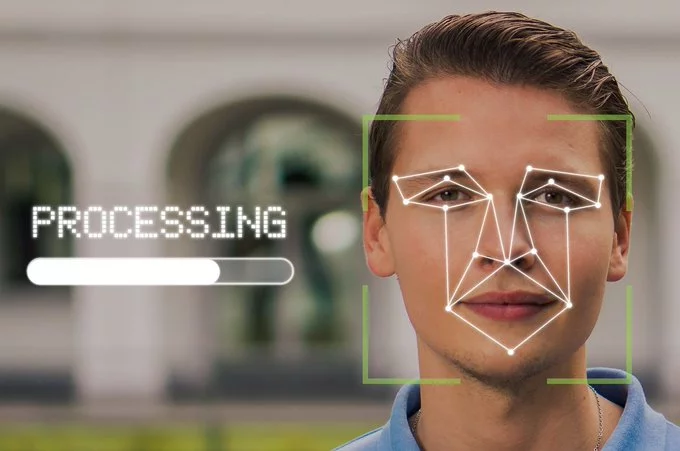
Real-time identity verification is emerging as a critical tool in modern cybersecurity strategies. Rather than relying on a single checkpoint, companies are adopting systems that continuously assess user identity through behavioral signals, device data, and contextual analysis.
This approach helps detect anomalies instantly, such as unusual login patterns or suspicious activity. By acting in real time, businesses can prevent breaches before they escalate into major incidents. As AI threats become more advanced, this level of vigilance is quickly becoming the industry standard.
The Growing Gap Between Leaders and Laggards
The research also reveals a widening divide between organizations that prioritize identity security and those that lag behind. Leading companies are investing heavily in advanced verification technologies, while others continue to rely on outdated systems.
This gap is likely to grow as AI-driven threats become more sophisticated. Businesses that fail to adapt risk not only financial losses but also reputational damage and regulatory penalties. Meanwhile, those embracing modern identity frameworks are positioning themselves for long-term resilience and trust.
What Businesses Must Do Next
To close the readiness gap, organizations need to rethink their approach to digital identity and cybersecurity. This includes adopting continuous verification models, leveraging AI-driven detection tools, and aligning security strategies with evolving threat landscapes.
Equally important is fostering a realistic understanding of current capabilities. Overconfidence can be more dangerous than a lack of preparation, as it prevents necessary improvements. By acknowledging vulnerabilities and investing in stronger identity systems, businesses can better protect themselves and their customers.
AI Threat Readiness Will Define Future Success
AI-driven threats are no longer a future concern—they are a present reality shaping the digital economy. With only a small percentage of companies truly prepared, the urgency to act has never been greater.
Organizations that embrace continuous identity verification and modern security practices will not only reduce risk but also unlock new opportunities for growth and efficiency. Those that don’t may find themselves increasingly exposed in an AI-powered world where trust is the ultimate competitive advantage.








Comment