


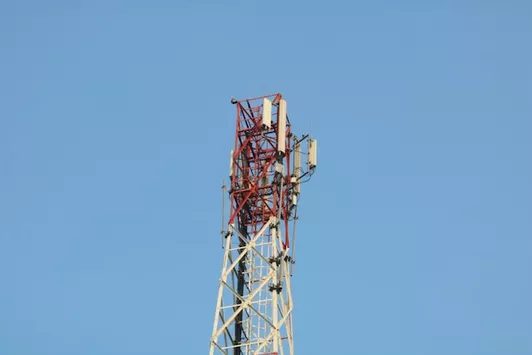
AI, Satellites, and Sovereign Pressure Reshape Telecoms in 2026
-
6 minutes, 21 seconds
AI, Satellites, and Sovereign Pressure Set the Tone for Telecoms
AI, satellites, and sovereign pressure are converging to define how telecom operators plan, invest, and compete in 2026. Many readers are asking whether telecom networks will finally see strong returns from years of heavy spending, how artificial intelligence will change daily operations, and why governments are now so deeply involved in network decisions. The short answer is that telecoms are still investing, but patience is thin. Every major project must now show a credible path to revenue within two to three years, or risk being scaled back.
Global Economic Pressure Tightens Telecom Margins
Economic conditions form the backdrop to nearly every telecom decision this year. Global growth remains subdued, sitting well below levels that once supported aggressive network expansion. Financing costs have eased slightly in some regions, but they remain higher than operators were used to before the early 2020s. For an industry built on long-term infrastructure bets, this shift has real consequences.
Telecom companies are still carrying debt from previous investment cycles, especially those tied to spectrum and nationwide upgrades. Balance sheets are under scrutiny from investors who want clearer evidence that spending will translate into stable cash flow. As a result, management teams are prioritizing efficiency and predictability over bold but uncertain expansion.
AI in Telecoms Moves From Hype to Cost Control
Artificial intelligence continues to dominate boardroom conversations, but its role in telecoms is becoming more practical than visionary. Rather than chasing experimental consumer services, operators are focusing AI efforts on automation, network optimization, and customer support. These uses promise measurable savings and faster payback, which fits the tighter investment climate.
AI tools are increasingly used to predict network faults, reduce downtime, and manage energy consumption. While these gains may not grab headlines, they directly protect margins. In 2026, success with AI is less about innovation awards and more about quietly lowering operating costs without disrupting service quality.
Satellite Connectivity Expands Telecom Boundaries
Satellite technology is no longer a distant complement to terrestrial networks. In 2026, satellites are becoming a strategic extension of coverage, especially in rural and hard-to-reach areas. Telecom operators see satellites as a way to meet coverage obligations and serve new customers without the high cost of building physical infrastructure everywhere.
That said, satellite partnerships also introduce complexity. Revenue sharing, service integration, and long-term reliability remain open questions. Operators are moving forward, but cautiously, treating satellite connectivity as a targeted solution rather than a universal replacement for ground networks.
Sovereign Pressure Shapes Network Decisions
Government influence over telecom networks has intensified. Trade policies, security concerns, and technology sovereignty are now central factors in procurement and planning. Restrictions on certain equipment and uncertainty around advanced components have added friction to already complex supply chains.
For telecom operators, this means less flexibility and longer planning cycles. Network designs must account not only for performance and cost, but also for political risk. While these pressures aim to protect national interests, they also increase the operational burden on companies trying to modernize at speed.
Capital Spending Continues, But With Stricter Rules
Despite the challenges, telecom investment is not slowing to a halt. Spending continues on fiber expansion, cloud-based infrastructure, and network security. The difference in 2026 lies in discipline. Projects are evaluated against stricter benchmarks, and initiatives without clear revenue potential face early scrutiny.
This approach reflects lessons learned from past cycles where enthusiasm outpaced returns. Operators are now more willing to pause, adjust, or cancel plans that do not meet financial expectations. The focus is on sustainability rather than scale for its own sake.
Shorter Timelines Redefine Innovation Strategy
Innovation remains essential, but timelines have tightened. Telecom leaders now expect new services or technologies to demonstrate value within 24 to 36 months. This shift favors incremental improvements over radical reinvention.
Product teams are aligning closely with finance and operations, ensuring that innovation supports existing strengths. While this may slow the pace of visible breakthroughs, it increases the likelihood that new ideas survive beyond pilot stages and reach commercial success.
What 2026 Really Means for the Telecom Industry
The convergence of AI, satellites, and sovereign pressure marks a turning point for telecoms. The industry is entering a more cautious, disciplined phase where spending continues but patience is limited. Operators are balancing the need to modernize with the reality of tighter margins and heavier oversight.
For customers, changes may feel subtle rather than dramatic. Networks should become more reliable, coverage more consistent, and services more efficient. Behind the scenes, however, telecom companies are making tougher choices than ever, shaping an uneasy but necessary transition toward a more sustainable future.



Contact Information





Suggested Writers
-

2.5K articles
-

1.3K articles
-

34 articles
-

28 articles



Comment