AI Parking Hack Saves Tesla From Tow Truck—Thanks to FSD
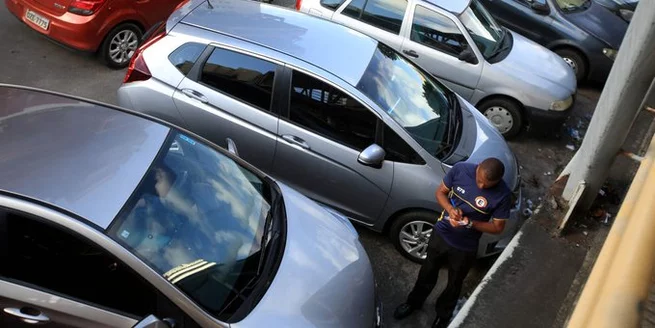
In a scene straight out of a sci-fi comedy, a Tesla owner in late 2025 narrowly avoided a costly towing bill—all thanks to artificial intelligence. After parking overnight in a loading zone (on his wife’s optimistic advice that “they won’t tow on a Sunday”), the couple watched from their fifth-floor apartment as a security guard flagged down a tow truck. The panic? Real. The solution? Fully AI-powered.
The moment could’ve ended with a $300 tow fee and a ruined Tuesday. But instead of sprinting downstairs in socks, the driver remembered his Tesla’s Summon feature—part of Tesla’s Full Self-Driving (FSD) package. With a few taps from his phone at the breakfast table, the car rolled itself out of the loading zone, dodging curbs and traffic like a well-trained parking valet. The tow truck drove off, empty and confused.
AI-Powered Parking Is No Longer Just a Gimmick
What might’ve seemed like a futuristic fantasy five years ago is now everyday reality for FSD-enabled Tesla owners. Tesla’s FSD software uses advanced computer vision, real-time mapping, and neural networks trained on billions of real-world driving miles. While regulators and safety advocates continue to debate the system’s readiness for full autonomy, features like Smart Summon are proving unexpectedly practical—even lifesaving for your wallet.
This viral incident isn’t just a quirky anecdote; it’s a sign of how AI is quietly reshaping urban logistics. Cities are getting stricter about curb enforcement, and parking tickets (or worse, towing) are a growing headache for drivers. AI-assisted remote vehicle control could become a critical tool for navigating ever-changing municipal rules—especially in dense, high-enforcement zones.
How Summon Actually Works in Real Life
Smart Summon allows Tesla owners to call their car from up to 200 feet away using the Tesla app. The vehicle navigates parking lots, avoids pedestrians and obstacles, and even yields to traffic using its onboard cameras and AI processing. While it’s not perfect—early versions sometimes confused trash cans for curbs—recent FSD updates in 2024 and 2025 have dramatically improved reliability. And in this case, it worked flawlessly under pressure.
Critics might argue this is a band-aid solution to poor planning, but it underscores a bigger truth: AI isn’t just about replacing drivers—it’s about augmenting them. From avoiding tickets to managing tight spots, intelligent assistance is becoming as essential as seatbelts in modern vehicles.
A Very 2025 Moment—And a Glimpse of What’s Ahead
This story went viral not just because it’s funny, but because it feels emblematic of our current tech moment. Cars that respond to phone commands. AI that understands complex urban environments. And humans who increasingly rely on smart systems to bail them out of sticky situations. As cities adopt smarter infrastructure and vehicles get even more connected, expect more “wait—just summon it!” moments.
For now, Tesla’s FSD remains a driver-assist system, not true autonomy. But episodes like this show how AI can deliver real, tangible value—even if it’s just saving you from a tow truck before your second cup of coffee.
While parking in a loading zone is never advisable, this 2025 near-miss proves that AI-powered driving tech is more than marketing hype. It’s a practical safety net for modern urban life—and a reminder that sometimes, the best backup plan is an algorithm trained on billions of miles of real-world chaos.