
-
4 minutes, 13 seconds
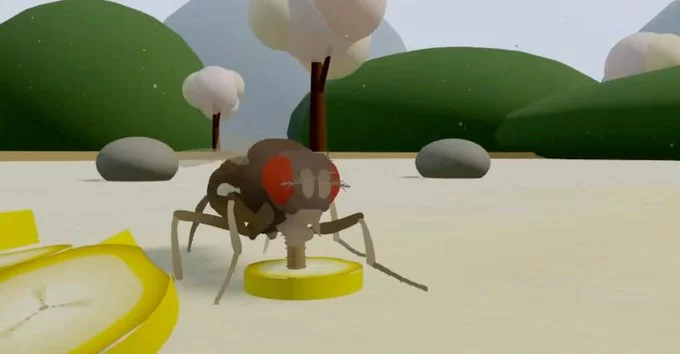
A recent surge of posts on X and Reddit has reignited excitement over artificial intelligence breakthroughs—but this time, it involves a so-called “digital fly.” San Francisco-based Eon Systems released short videos showing a fly-like digital creature walking, eating, and interacting with its environment. Cofounder Alexander Wissner-Gross called it the “world’s first whole-brain emulation producing multiple behaviors,” while CEO Michael Andregg described it as a “real uploaded animal.”
Despite the hype, questions are mounting: is this truly a groundbreaking AI achievement, or just an impressive simulation? No detailed methodology, scientific paper, or independent verification has been shared, leaving the tech community skeptical.
Eon Systems claims to have used the connectome of a fruit fly brain, combined with a simple neuron model from a 2024 Nature study, to control a simulated body in the MuJoCo physics environment. According to Andregg, this setup closes the loop from neural activation to action, creating the appearance of autonomous behavior.
While the concept sounds revolutionary, experts point out that simulating neural activity in a virtual environment is far from “uploading” a real animal. True whole-brain emulation remains a distant goal, requiring far more computational power and validation than current methods provide.
AI-related accounts quickly shared the clips as evidence of a major breakthrough. High-profile endorsements, including comments from Elon Musk, Bryan Johnson, and Peter Diamandis, added credibility for casual viewers. Musk’s simple “wow” and Diamandis calling it a “living being…online” fueled a viral frenzy, despite the absence of rigorous scientific proof.
Content aggregators then packaged the videos as news, further blurring the line between verified research and social media hype. The result: millions of viewers encountering what seems like a landmark AI development without critical context.
Researchers stress that demonstration videos alone cannot confirm a true digital upload. Without detailed methods, source code, or peer review, claims of “real uploaded animals” are speculative at best. A fruit fly’s nervous system, though small compared to mammals, still involves complex interactions that simulations often oversimplify.
“The visuals are impressive, but it’s important to distinguish between simulation and true neural emulation,” says one neuroscientist familiar with whole-brain modeling. The scientific community requires reproducibility, clear methodology, and peer validation before labeling such projects as breakthroughs.
Eon Systems has ambitious goals, aiming for full digital emulations of mammalian brains in the next few years. While the current fly demonstration may spark curiosity and excitement, researchers caution that bridging the gap from simple simulations to authentic whole-brain emulations will take years of rigorous experimentation.
For the public and AI enthusiasts, the episode serves as a reminder to approach viral claims critically. Exciting as digital animals may appear on video, robust evidence, transparency, and scientific review remain essential to separate hype from reality.

2.6K articles

1.4K articles

34 articles

28 articles














Comment