
-
4 minutes, 54 seconds
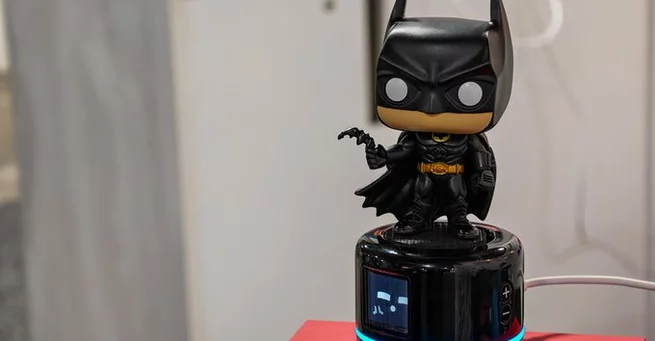
AI collectibles are quickly becoming one of the most talked-about trends to emerge from CES 2026, especially among fans of pop culture memorabilia. Many readers are asking what AI collectibles are, how they work, and whether they will replace traditional figurines. At their core, these products combine familiar collectible designs with artificial intelligence to create interactive experiences. Instead of sitting silently on a shelf, figures can now talk, respond, and adapt to conversations. This shift taps into renewed interest in collectibles while aligning with broader AI adoption. For collectors, it promises deeper emotional engagement. For the industry, it hints at a comeback powered by technology.
The defining feature behind AI collectibles is the smart base placed beneath each figurine. Products like HeyMates and Buddyo rely on bases equipped with speakers, microphones, and subtle lighting effects. NFC or RFID tags inside the figurines identify which character is docked on the base. Once detected, a companion app activates a character-specific AI personality. This setup allows users to chat casually, ask questions, or trigger themed responses. The experience feels less like using a chatbot and more like talking to a desk companion. Importantly, the figurine itself remains passive, preserving its collectible appeal.
What sets AI collectibles apart is how they merge large language models with recognizable characters. Users can speak to an Einstein figurine about physics or joke with a sci-fi villain about galactic domination. Wake words, canned humor, and character-specific speech patterns add charm to interactions. While the AI remains relatively lightweight, it is tailored enough to feel on-brand. This balance keeps conversations playful rather than overly technical. For fans, it adds personality without overwhelming complexity. The result is novelty that feels accessible and entertaining.
Among the companies entering this space, HeyMates is positioning itself as more than a one-off experiment. Backed by Olli, a startup already supplying AI platforms to toy makers, HeyMates represents a move into first-party hardware. Each figurine resembles popular vinyl collectibles and includes an embedded chip in its base. When placed on the HeyMates stand, the character becomes interactive through BuddyOS. This approach allows the company to scale across characters and franchises. It also creates a repeatable model for future releases. For collectors, it means consistency across the lineup.
Buddyo takes a slightly different approach by focusing on flexibility rather than branded ecosystems. Its smart base is designed to work with multiple figurines, including existing collectibles like Funko Pops. By attaching NFC tags, users can assign personalities to figures they already own. This lowers the barrier to entry for curious collectors. It also avoids locking users into a single brand’s lineup. Buddyo’s strategy appeals to hobbyists who value customization. The emphasis is on experimentation rather than strict character canon.
AI collectibles arrive at a moment when both AI tools and nostalgia-driven products are surging. They offer a hybrid experience that blends display value with interactive utility. For desks and shelves, they act as both decoration and digital companion. From a business perspective, they open doors to subscriptions, updates, and new character drops. Skeptics may see them as gimmicks, but early interest suggests real momentum. As AI becomes more natural in conversation, these figures could feel increasingly lifelike. That possibility makes AI collectibles one of the most intriguing bets in consumer tech right now.

2.5K articles

1.4K articles

34 articles

28 articles













Comment