3D-Scanned Insoles Promise Custom Comfort—Do They Deliver?
Custom insoles are no longer limited to podiatrist visits. A growing number of startups are using 3D scanning and AI to promise shoe inserts that perfectly match your feet. But are 3D-scanned insoles worth the hype, or are they another example of “placebo tech” in the wellness space?
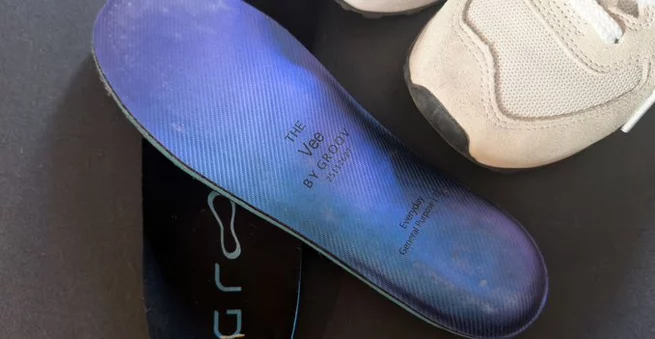
Victoria Song, a senior tech reporter, recently tested one such product from Groov, a company that uses an iPhone and AI to craft personalized shoe inserts. Here’s what the experience reveals about the intersection of technology, comfort, and marketing.
How 3D-Scanned Insoles Work
Groov’s approach is simple: it leverages the iPhone’s Face ID camera to capture multiple angles of your bare foot. AI then processes this data to create a 3D model, which guides the design of the insole. The goal is to replicate—or improve upon—the work a podiatrist would do, without requiring costly appointments or plaster molds.
The process may seem futuristic, but the concept isn’t entirely new. Custom orthotics have long existed, ranging from expensive podiatrist prescriptions ($300–$800) to over-the-counter inserts like Dr. Scholl’s, which offer generic support. The 3D-scanned insoles promise the best of both worlds: personalization at a fraction of the hassle.
The Promise of Personalization
Why consider a 3D-scanned insole? Foot anatomy varies widely. Flat feet, high arches, and plantar fasciitis can make standard insoles uncomfortable or ineffective. Startups like Groov argue that AI can design surfaces tailored to your exact foot contours, theoretically improving posture, reducing pain, and enhancing comfort during daily activities.
For tech enthusiasts, this also adds a novelty factor. Using a smartphone camera to optimize health products is appealing, especially when it seems to bypass traditional healthcare gatekeepers. But curiosity doesn’t automatically equal results.
Skepticism vs. Reality
Victoria Song’s firsthand experience highlights a crucial question: does tech always equal tangible improvement? While the scanning process is impressive, the actual benefit of AI-optimized insoles remains subjective. Comfort, foot health, and performance are difficult to quantify without long-term testing.
Many critics argue that products like these lean heavily on placebo effects. The excitement of owning “custom” gear can make users feel better, even if the actual biomechanical advantage is minimal. For some, the allure of innovation may outweigh the need for proven efficacy.
Cost Comparison and Accessibility
One compelling argument for 3D-scanned insoles is cost. Traditional podiatrist orthotics can be prohibitively expensive and often require insurance or prescriptions. Over-the-counter alternatives are cheap but generic. 3D-scanned insoles aim to sit in the middle, offering customization without the high price tag.
However, potential buyers should weigh whether they’re paying for actual foot improvement or the novelty of AI technology. If comfort and injury prevention are critical, consulting a podiatrist might still be the safer choice.
The Takeaway: Innovation Meets Skepticism
3D-scanned insoles exemplify the tech wellness trend—personalized products powered by smartphones and AI. They promise comfort, convenience, and a futuristic shopping experience. Yet, as with many emerging wellness innovations, results can be inconsistent, and the excitement may sometimes outpace the science.
For anyone curious about personalized footwear, testing a 3D-scanned insole can be a fun experiment. Just temper expectations: technology can enhance comfort, but it doesn’t automatically replace expert advice or proven medical devices.





Array