Alerts

-
2 minutes, 56 seconds
3D Printing and AI in Nuclear Construction: Speed vs. Safety
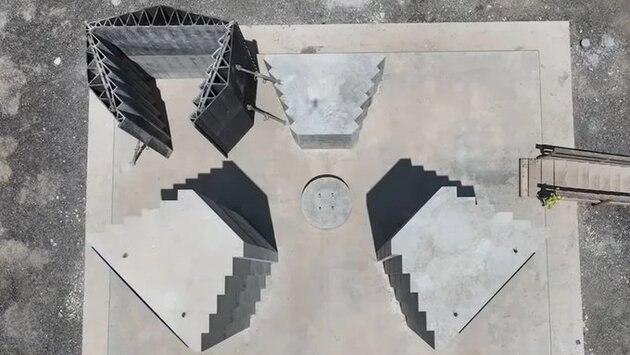
The rise of 3D printing and AI in nuclear construction is changing how we think about building complex energy infrastructure. Projects like the Hermes Low-Power Demonstration Reactor in Tennessee have shown that reactor shielding, which once took weeks to complete, can now be built in just 14 days. By combining advanced 3D printing with AI-driven design, engineers are pushing timelines to new limits. But as the pace accelerates, experts are asking: how do we balance efficiency with long-term safety?
How 3D Printing Accelerates Nuclear Projects
3D printing allows the rapid creation of custom concrete molds, enabling intricate designs that traditional methods would take far longer to complete. At Oak Ridge National Laboratory, this approach significantly reduced labor needs while increasing precision. With US-sourced materials and automated systems, the construction process not only speeds up but also reduces dependency on foreign supply chains. However, the durability of these printed components over decades of nuclear operation is still largely untested.
The Role of AI in Design and Construction
AI tools are stepping in to guide both design and assembly, identifying potential issues before human teams even start building. By processing complex structural data, AI can optimize shapes, stress distribution, and material use. This reduces human error and makes construction more adaptable to unique project demands. Still, the reliance on automated decision-making raises new safety concerns. Who validates the AI’s choices, and how do we detect subtle errors that might go unnoticed until it’s too late?
Balancing Innovation and Safety in the Nuclear Industry
The promise of 3D printing and AI in nuclear construction is undeniable—faster builds, lower costs, and more flexibility. Yet the nuclear industry operates under some of the most stringent safety requirements in the world. While innovation can help address energy demands and infrastructure challenges, it must be paired with rigorous testing, oversight, and long-term monitoring to ensure these technologies don’t compromise public safety. The next era of nuclear construction will depend not just on speed, but on the industry’s ability to innovate responsibly.









Comment