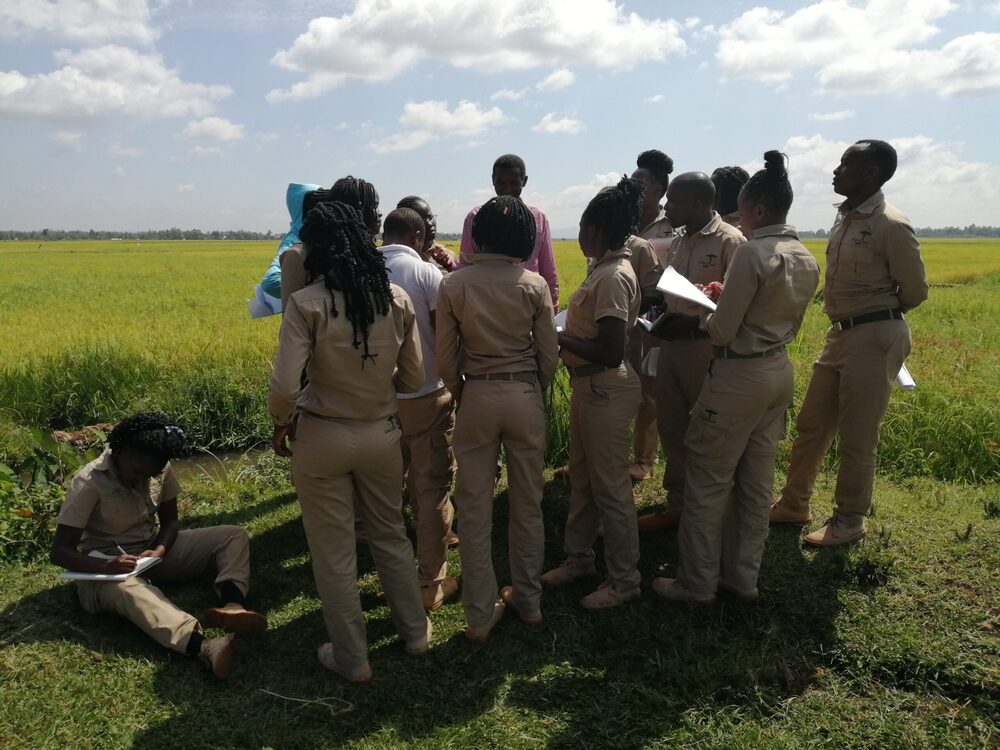
Wildlife Research and Training Institute jobs are now open for qualified professionals across multiple disciplines. The Kenya Wildlife Research and Training Institute (WRTI) has announced 12 new career opportunities—11 on permanent and pensionable terms, and one on a renewable one-year contract. These positions aim to strengthen Kenya’s wildlife research, conservation training, and institutional operations.
The vacancies were officially advertised in the government publication MyGov on Tuesday, January 20, 2026. Roles span scientific, administrative, finance, ICT, and academic functions, with successful candidates based at WRTI’s headquarters or Field Research Centre in Naivasha.
Established to advance evidence-based wildlife management, WRTI plays a critical role in shaping national conservation strategies. The institute generates reliable data to inform policy, supports innovation in wildlife-based enterprises, and builds professional capacity through targeted training programs.
To fulfill this mission, WRTI seeks skilled, proactive individuals who can contribute meaningfully to its vision. If you’re passionate about conservation, research, or public service, these WRTI jobs offer stable, purpose-driven careers with long-term growth potential.
Interested candidates must review the detailed job descriptions and specific qualifications on the official WRTI website under the Careers section. Applications should include:
Submit your documents as instructed on the portal. Late or incomplete applications may be disqualified, so double-check all requirements before applying.
Many applicants miss out due to avoidable errors. To boost your chances:
While WRTI has not published exact salary figures, permanent and pensionable roles in Kenyan state agencies generally offer competitive pay scales aligned with the Public Service Commission guidelines. Positions like Principal Research Scientist or Lecturer also come with opportunities for professional development, fieldwork, and participation in high-impact conservation projects.
For early-career professionals, even support roles at WRTI can serve as strategic entry points into Kenya’s environmental and wildlife sectors. Over time, employees may qualify for promotions, specialized training, or collaborative research grants with international partners.
If you’re targeting WRTI careers, emphasize relevant experience in conservation, public administration, or technical fields like ICT or finance. Highlight any prior work with government agencies, NGOs, or research institutions—these are strong signals of suitability.
Also, ensure your application reflects WRTI’s core values: scientific integrity, sustainability, and institutional excellence. Recruiters look for candidates who understand the intersection of policy, research, and practical wildlife management.
Wildlife Research and Training Institute jobs represent more than just employment—they’re a chance to shape Kenya’s conservation future. With 12 roles now open, qualified professionals are encouraged to apply promptly and thoroughly.






Comment