Every January, mental wellness takes center stage—and for good reason. Many people still believe the brain inevitably declines with age, but modern neuroscience shows the opposite is true. The brain is highly adaptable, capable of growing stronger or weaker based on daily choices. If you’re searching for ways to sharpen focus, improve memory, or boost career performance in 2026, brain health is the missing link. A New Year, A Healthier Brain isn’t about hacks or supplements—it’s about consistent habits that reshape how your brain functions at work and in life.
Why Brain Health Directly Impacts Career Success
Your brain controls decision-making, emotional regulation, creativity, and resilience—skills that define professional growth. While people obsess over physical fitness, the brain is often neglected until burnout or brain fog appears. Advances in brain imaging now show how lifestyle directly affects cognitive performance. Neurologist Dr. Majid Fotuhi, author of The Invincible Brain, explains that cognitive decline isn’t fixed or inevitable. At any point on the brain health spectrum, improvement is possible with intention and consistency.
Progress or Decline: The Choice You Make Daily
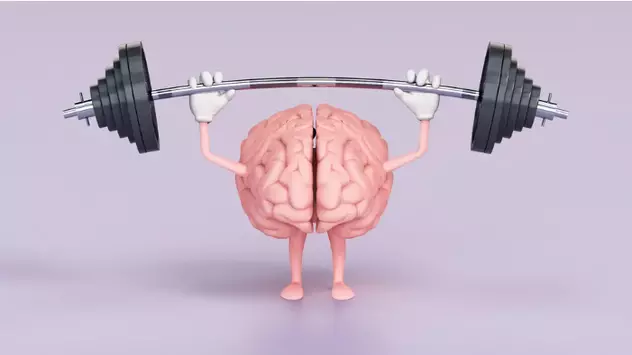
Dr. Fotuhi emphasizes that people either strengthen or weaken their brains through everyday behavior. Healthy circulation, efficient waste removal, and neuron growth are all influenced by routine habits. Just as muscles respond to training, the brain responds to mental and physical inputs. Without care, poor blood flow, inflammation, and chronic stress accelerate cognitive decline. With the right habits, executive function, memory, and mental clarity can dramatically improve—even in demanding careers.
How You Start and End the Day Shapes Your Brain
One overlooked factor in brain health is how your day begins and ends. Dr. Fotuhi recommends resisting the urge to grab your phone upon waking. Instead, spend a few quiet minutes visualizing a positive, successful day ahead. This primes the brain to seek opportunity rather than threat. At night, recalling one meaningful win rewires the brain toward optimism. Over time, this bookends your day with intentional neural conditioning.
Stress Reduction and Movement Fuel Cognitive Strength
Short breathing exercises during the workday can significantly reduce stress and improve focus. Slow, rhythmic breathing calms the nervous system and boosts emotional regulation. Physical activity plays an even bigger role. Walking just 3,000–5,000 steps a day improves blood flow and reduces Alzheimer’s-related risk factors. Exercise expands brain regions tied to learning, memory, and emotional balance, making it one of the most powerful tools for long-term career stamina.
Nutrition and Purpose Protect the Brain From Burnout
Highly processed foods increase inflammation and disrupt communication between brain cells, contributing to fatigue and brain fog. Prioritizing whole foods, stable blood sugar, and daily fruits and vegetables supports mental energy. Equally important is purpose. Doing at least one meaningful act each day—helping, creating, serving, or contributing—activates motivation and reward networks. Studies show that volunteering just a few hours a week can slow brain aging and strengthen memory.
Learning, Sleep, and Mental Renewal Matter More Than You Think
Challenging the brain with new skills forces it to form fresh connections. Learning a language, instrument, or new hobby keeps the brain flexible and resilient. Sleep then locks those gains in place. During deep rest, the brain clears waste, stabilizes emotions, and consolidates memory. Protecting sleep isn’t optional—it’s a nightly reset that determines how well your brain performs tomorrow.
The Bigger Takeaway for 2026
Elite athletes don’t rely on motivation alone—they train deliberately. Career success works the same way. Clinical results tied to Dr. Fotuhi’s approach show over 80% of participants improved memory and focus within weeks, with measurable brain growth on MRI scans. A New Year, A Healthier Brain is ultimately about agency. No matter your age or career stage, the habits you choose in 2026 can strengthen your mind, sharpen your edge, and redefine what success feels like.




Array